
Smartphones for Everyday Users: A Grounded Introduction to Every Core Feature
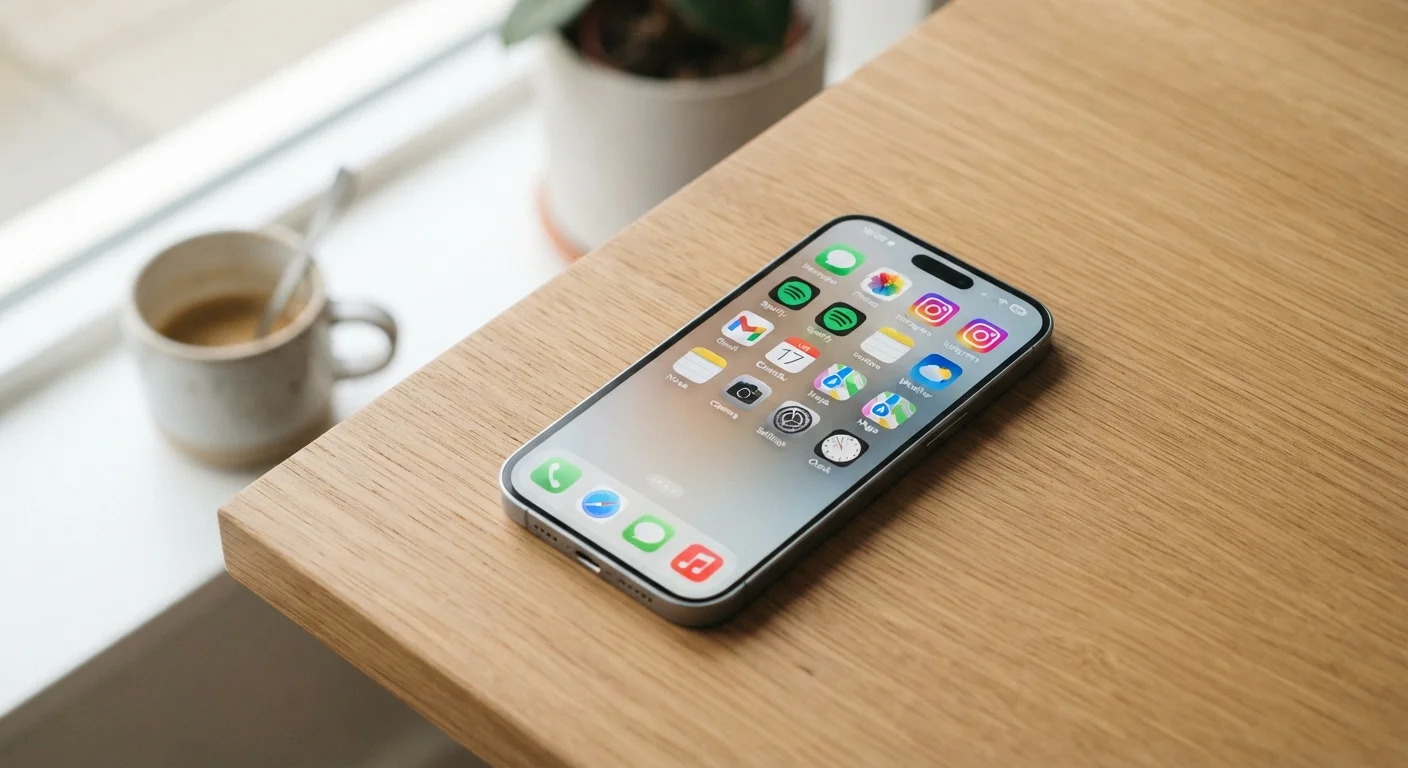
Photo credit: GadgetLite.net | All Things Tech
In this article
If phones feel more complicated than they should, this guide breaks down every major feature category in plain, jargon-free language.
Key Takeaways
- A smartphone's processor and RAM determine how smoothly it handles everyday multitasking.
- Display refresh rate and resolution affect how sharp and fluid your screen looks daily.
- Camera specs only tell part of the story — software processing shapes the final photo.
- Battery capacity combined with software efficiency decides real-world usage hours.
- Connectivity features like 5G and Wi-Fi 6 future-proof a device beyond its launch year.
- Understanding core categories helps you compare phones without being misled by spec-sheet numbers.
What a Smartphone Actually Is
A smartphone is a handheld computer that happens to make phone calls. It combines communication, navigation, photography, entertainment, and productivity into a single device — which is exactly why the feature list can feel overwhelming when you're trying to pick one.
At the hardware level, every smartphone is built around the same core categories: a processor (the chip that runs everything), memory, a display, a camera system, a battery, and radios for wireless connectivity. On top of that sits software — the operating system and apps that determine what you can actually do.
Understanding these categories separately makes spec sheets far less intimidating. For a plain-English reference for the shorthand manufacturers use, see our smartphone terms glossary. This guide focuses on what each category means in practice.
SoC (System on a Chip)
The main processor that handles all computing tasks on a smartphone. It contains the CPU, GPU, and other components in a single package.
RAM
Short-term memory that keeps apps active in the background. More RAM generally means smoother multitasking with fewer interruptions.
Refresh Rate
How many times per second the display redraws the image, measured in Hz. Higher rates like 120Hz make scrolling and animation appear smoother.
IP Rating
A standardized score indicating how well a device resists dust and water. IP68 means the phone can withstand submersion in water to a defined depth.
Operating System
The core software that runs the phone and manages apps and settings. Most smartphones use either Android or iOS.
mAh (Milliamp-Hours)
The unit used to measure battery capacity. A higher mAh number generally indicates a larger battery, though efficiency varies by device.
The Processor and Memory: Your Phone's Engine
The processor — often called a chip or SoC — handles every calculation your phone makes. A faster processor means apps open quicker, video plays smoothly, and the phone stays responsive when you have several things running at once.
Manufacturers release new processor generations annually. Newer chips tend to be more efficient, which helps battery life alongside raw speed. What a new processor generation actually changes walks through what those yearly updates concretely mean for tasks like browsing and video calls.
Paired with the processor is RAM — the phone's short-term working memory. 6–8 GB of RAM is sufficient for most users; more helps if you regularly run demanding apps simultaneously. Storage (measured in GB) is separate from RAM: it's where your photos, apps, and files live permanently.
Check Software Support Before Anything Else
Before comparing cameras or processors, look up how many years of OS and security updates the manufacturer commits to. A phone that stops receiving updates becomes a security risk over time. Longer support commitments — some now extend to five or seven years — add real long-term value regardless of hardware specs.
Display, Camera, and Battery
Display: Two numbers define most of what you'll notice daily — resolution (how sharp the image looks) and refresh rate (how smoothly motion appears). A 60Hz screen redraws 60 times per second; 120Hz feels noticeably more fluid for scrolling. Screen size is measured diagonally in inches. Larger screens are easier to read but less pocketable.
Camera: Manufacturers lead with megapixel counts, but sensor size, aperture width, and image processing software matter more to actual photo quality. Most phones now ship with multiple lenses — a main camera, an ultrawide for group shots or landscapes, and sometimes a telephoto for optical zoom. Video capability (4K recording, stabilization) is worth checking if you shoot a lot of footage.
Battery: Capacity is listed in milliamp-hours (mAh) — higher numbers generally mean longer life, though software efficiency plays an equally important role. Fast charging and wireless charging are now common features; check whether the required charger is included in the box, as many manufacturers no longer bundle one.
Connectivity and Software
Wireless connectivity covers cellular (4G LTE or 5G), Wi-Fi, Bluetooth, and sometimes NFC for contactless payments. 5G is widely available in new phones and useful where network coverage exists, though 4G LTE remains reliable for most tasks today. Wi-Fi 6 and Wi-Fi 6E offer faster, more stable home connections if your router supports them.
Software is arguably the feature that shapes daily experience most. The operating system (Android or iOS) determines your app ecosystem, security update schedule, and interface. A phone with weaker specs but consistent multi-year software support often serves users better than a faster phone that stops receiving updates after two years.
Durability ratings like IP68 indicate resistance to dust and water submersion — practical protection for everyday accidents. If you're also considering how a phone fits alongside other devices, our smartphone vs. tablet comparison helps clarify which form factor suits different habits.
Chargers and Accessories May Not Be Included
Many manufacturers no longer include a power adapter in the box. Before assuming a charger comes with the phone, check the packaging details. The required wattage for fast charging may also mean your existing charger won't deliver the advertised charging speeds.
Making Sense of Specs Before You Decide
Spec sheets are designed to impress, not inform. A number is only useful when you know what it means in real use. The framework is straightforward: identify what you do most on a phone — photography, gaming, streaming, productivity — and weight the relevant category accordingly.
For a deeper look at how flagship devices stack up all these features at once, everything packed into a modern flagship phone walks through premium hardware in plain language. If you want to understand how smartphones fit into a broader electronics picture, our consumer electronics guide covers the full landscape.
The goal isn't to memorize specs — it's to ask the right questions. How long does the battery last under real use? How many years of updates will this device receive? Does the camera perform well in low light, which is where most cameras struggle? Those questions cut through marketing language faster than any benchmark number.
Common Glossary of Smartphone Terms
A plain-English reference for the technical shorthand — SoC, eSIM, IP68, HDR10+ — that appears on every phone spec sheet and in manufacturer marketing.
Smartphone vs. Tablet: Picking the Right Device
A practical comparison to help you decide whether a phone or tablet better fits your daily habits and how you actually use technology.
Everything Packed Into a Modern Flagship Phone
A plain-language tour of premium smartphone hardware — from lidar sensors to satellite connectivity — and what those features mean for real users.
Frequently Asked Questions

Author
Releases Editorial Team
Releases Editorial Team is the collective byline for our editorial team and contributor network. Articles published under this byline or an editorial pen name are researched, written, and reviewed according to our editorial standards for clarity, consistency, and independence before publication.
View all articles →