
Smartphone vs. Tablet: Picking the Right Device for Your Daily Habits
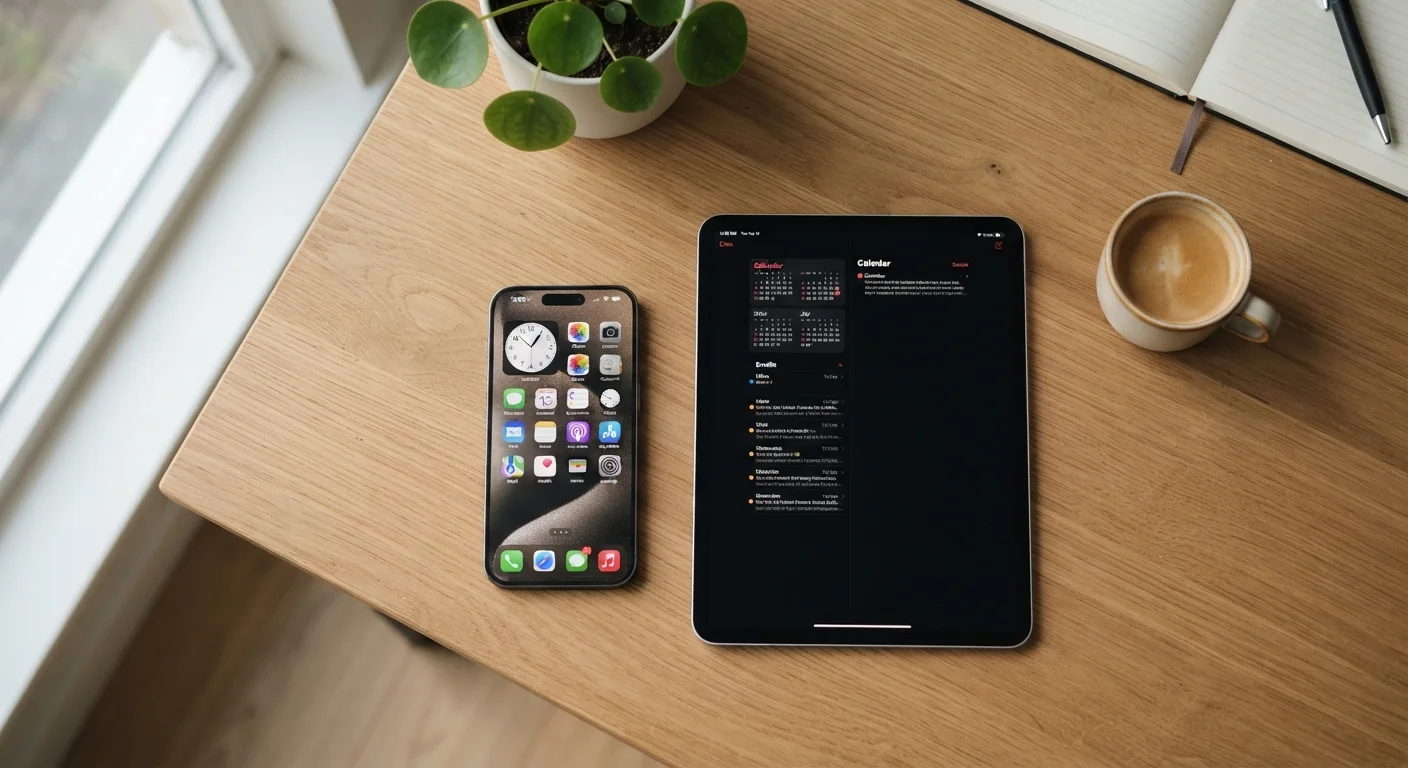
Photo credit: GadgetLite.net | All Things Tech
In this article
Not sure whether a phone or tablet fits your life better? Here's how to think through the decision based on how you actually use tech.
Key Takeaways
- Smartphones win on portability and all-day connectivity; tablets win on screen comfort for media and reading.
- Most households benefit from a smartphone as their primary device, with a tablet as an optional complement.
- Screen size is the single biggest practical difference — everything else follows from it.
- Tablets generally lack cellular calling and always-on convenience that smartphones provide.
- Your daily habits — not spec sheets — should drive this decision.
The Core Trade-Off: Size vs. Portability
The smartphone versus tablet debate sounds like a hardware question, but it's really a lifestyle question. The spec sheets matter less than one simple truth: a smartphone is with you constantly, and a tablet usually isn't.
Smartphones typically have screens ranging from roughly 6 to 6.9 inches. Tablets start around 8 inches and go well beyond 12. That gap changes how each device feels to use. A phone is effortless to pull out on a subway or at checkout. A tablet demands a bag, a surface, and a bit of intention.
If you're trying to work out which form factor actually fits your life, our guide on the screen size overlap between phones and tablets digs into the blurry middle ground where large phones and small tablets compete directly.
| Criterion | Smartphone | Tablet |
|---|---|---|
| Portability | Fits in a pocket | Needs a bag or surface |
| Screen size | Typically 6–6.9 inches | Typically 8–13 inches |
| Cellular calling | Standard feature | Rarely supported |
| Media consumption | Adequate | More comfortable |
| Camera quality | Generally stronger | Usually secondary |
| Stylus / note-taking | Rarely supported | Common on many models |
| Shared household use | Less suited | Well suited |
| Typical battery use pattern | Constant, daily charge | Intermittent, longer between charges |
What Each Device Does Better in Real Life
Smartphones handle the full stack of daily connectivity — calls, texts, mobile payments, navigation, two-factor authentication, and camera. They're the device most people reach for dozens of times a day, and that constant-contact role is hard to replicate on a tablet.
Tablets, meanwhile, shine for sustained, screen-intensive tasks. Reading a long article, watching a film, video-calling a relative, annotating a PDF, or letting a child follow along with an educational app — all of these feel meaningfully better on a larger display. The extra screen space reduces the cognitive load of squinting and scrolling.
It's worth noting that most tablets can run the same apps as smartphones. The difference isn't capability — it's comfort. For a plain-language breakdown of what smartphone features actually mean day to day, see our grounded introduction to every core smartphone feature.
~6.3"
Average US smartphone screen size
Industry analysts tracking smartphone display trends note average screen sizes have grown steadily over the past decade, with most new flagship models clustering around 6.1–6.7 inches.
~55%
US adults who own a tablet
Pew Research Center surveys have consistently found roughly half to slightly more than half of US adults own a tablet, compared to over 85% smartphone ownership.
3–4 hrs
Daily average screen time on smartphones
App analytics firms such as data.ai (formerly App Annie) have reported average daily smartphone screen time in the US at roughly three to four hours across age groups.
Connectivity, Calls, and the Always-On Factor
One underappreciated difference: most tablets don't include cellular phone calling. Some support LTE or 5G data with a separate SIM, but even those typically can't make standard voice calls without a workaround app. A smartphone is, at its core, still a phone — and that matters if connectivity is a lifeline rather than a convenience.
Battery life also plays out differently. Tablets often carry larger batteries and last longer per charge during media use, but they're also used more intermittently. Smartphones are almost always running — navigating, notifying, authenticating — and that constant load means most people charge nightly regardless of screen size.
If the idea of a third device intrigues you — something that sits between your phone and a larger screen — our comparison of smartwatches and smartphones explains where wrist-based tech genuinely adds value rather than redundancy.
Wi-Fi vs. Cellular Tablets: A Key Buying Distinction
Tablets are sold in two connectivity versions: Wi-Fi only and Wi-Fi + Cellular. A Wi-Fi-only tablet requires a home network or hotspot to access the internet — meaning it depends on your smartphone's hotspot when you're out. A cellular tablet adds a separate data plan through your carrier. Neither version replaces a smartphone's voice calling capability in most standard configurations.
Do You Actually Need Both?
For many households, a smartphone is the only essential device and a tablet is a worthwhile companion — not a replacement. If you find yourself wishing your phone screen were bigger for reading or video at home, a tablet solves exactly that friction without disrupting your mobile workflow.
If you're weighing a tablet against a laptop rather than a phone, that's a different comparison — one about productivity and input rather than portability. Our tablet vs. laptop breakdown maps that decision clearly. For work-focused readers, there's also a task-specific guide to tablets versus laptops worth reading before committing.
The bottom line: default to a smartphone as your primary device. Add a tablet if your daily habits consistently call for a bigger screen in a specific context — media, reading, or shared household use. Buying both speculatively rarely pays off.

Author
Gadgets Editorial Team
Gadgets Editorial Team is the collective byline for our editorial team and contributor network. Articles published under this byline or an editorial pen name are researched, written, and reviewed according to our editorial standards for clarity, consistency, and independence before publication.
View all articles →