
5G on Your Phone: What the Network Actually Delivers in Everyday Conditions
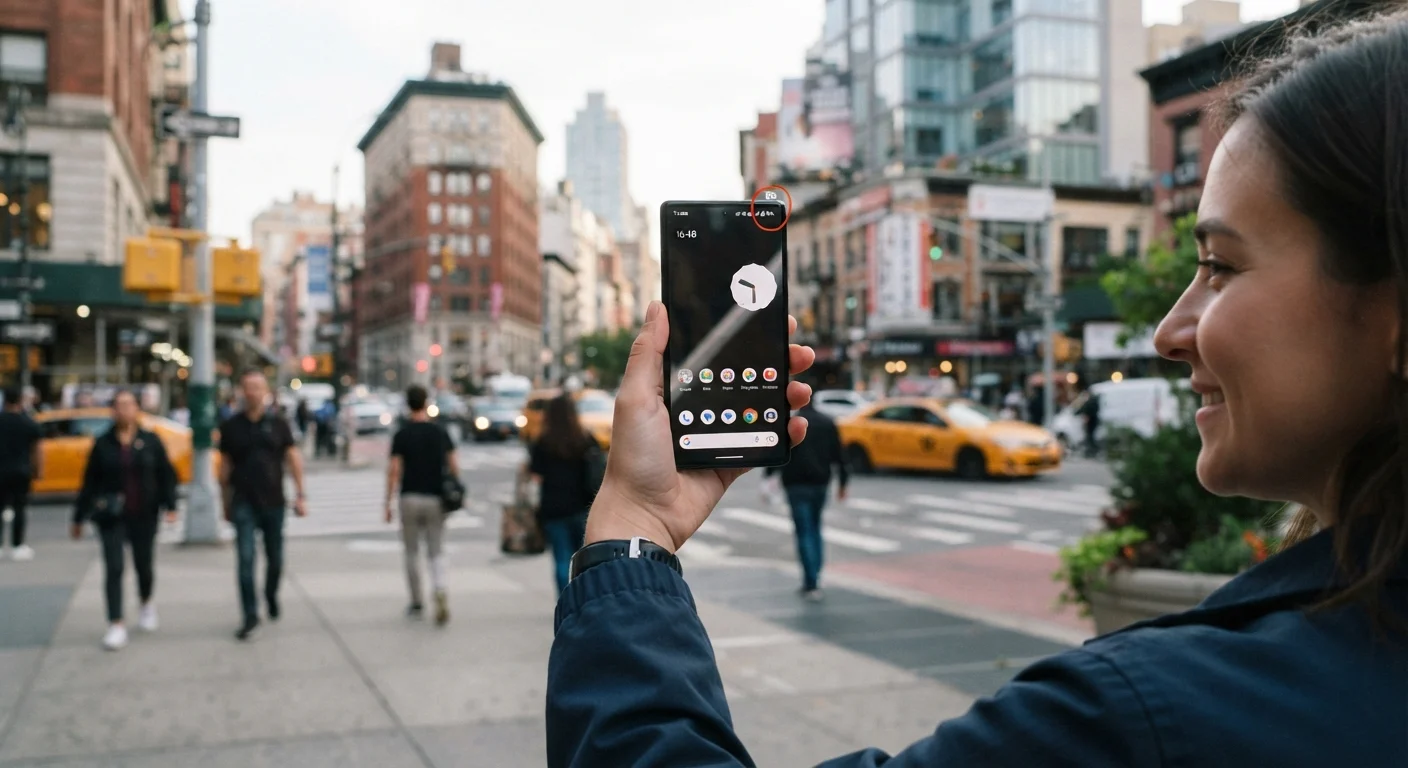
Photo credit: GadgetLite.net | All Things Tech
In this article
5G promises speed, but real-world experience varies widely. Here's an honest look at what the technology means for typical daily usage.
Key Takeaways
- 5G performance varies dramatically depending on which frequency band your carrier deploys in your area.
- Low-band 5G is the most widely available but often delivers speeds similar to good 4G LTE.
- Mid-band 5G offers the best everyday balance of coverage and speed for most users.
- mmWave 5G is the fastest variant but only works in very close proximity to specific outdoor antennas.
- Network congestion, building materials, and terrain all limit real-world 5G speeds.
- A 5G label on a phone or plan does not guarantee any specific speed experience.
What '5G' on Your Status Bar Actually Means
When you see "5G" appear in your phone's status bar, it confirms your device has connected to a fifth-generation network — but it says almost nothing about the speed you're actually getting. That icon is a carrier handshake, not a performance guarantee.
The critical factor is which band you're on. US carriers deploy three distinct types of 5G spectrum:
- Low-band (sub-1 GHz): The most widespread. Reaches far and penetrates buildings, but typical speeds are only modestly above 4G LTE — often 30–100 Mbps in practice.
- Mid-band (1–6 GHz): The sweet spot for most users. Offers meaningful speed improvements — frequently 150–400 Mbps — with reasonable coverage in dense areas.
- High-band mmWave (above 24 GHz): Capable of multi-gigabit speeds in ideal conditions, but range is measured in hundreds of feet and walls block the signal almost entirely.
Most people, most of the time, are on low-band 5G. Understanding that gap between marketing and reality is the foundation for setting accurate expectations. For more on how network specs translate — or don't — to daily use, see common myths about Wi-Fi speed — many of the same misconceptions apply here.
~50–250 Mbps
Typical mid-band 5G download range
Real-world speed tests by independent testing organizations consistently show mid-band 5G median downloads in this range under normal usage conditions.
3×
Speed gain of mid-band over low-band 5G
Network analysis reports indicate mid-band 5G median speeds are roughly two to four times higher than low-band 5G in comparable coverage areas.
< 1%
Estimated US locations with mmWave access
High-band mmWave deployment remains confined to select high-traffic urban venues and transit hubs, reaching a very small share of everyday locations.
Real-World Factors That Shape Your 5G Experience
Even on a mid-band network with strong infrastructure, several variables determine what speed reaches your phone:
- Network congestion: Like a highway at rush hour, a cell tower serving hundreds of users simultaneously will distribute its bandwidth across all of them. Peak-hours downloads slow down accordingly.
- Physical obstacles: Concrete, brick, and even trees attenuate radio signals. Indoor 5G performance can drop significantly compared to standing outside near a tower.
- Distance from the tower: Signal strength degrades with distance. mmWave in particular drops off sharply beyond a short radius.
- Device modem quality: Not all 5G phones are equal. The modem chipset affects how efficiently the phone maintains a signal and switches between bands. This is one of the real-world performance differences that phone specs rarely communicate clearly.
Run a Speed Test in Your Actual Locations
Rather than relying on coverage maps, run a mobile speed test at home, at work, and during your commute on different days and times. This gives you a realistic baseline for what 5G actually delivers in your specific context — and highlights whether your connection is genuinely faster than 4G LTE in practice.
What 5G Realistically Changes for Everyday Tasks
For tasks most people do daily, the practical difference between good 4G LTE and mid-band 5G is real but not transformative. Here's an honest breakdown:
- Streaming video
- 4G LTE already handles 4K streaming without issue when signal is strong. 5G mostly reduces the time to buffer and start playback — a quality-of-life improvement, not a necessity.
- Large file downloads
- This is where mid-band 5G shines most visibly. Downloading a large app update or media file takes meaningfully less time on a strong mid-band connection.
- Video calls
- Improved latency on 5G can reduce call lag, though the improvement is generally modest unless you're in a highly congested area.
- Mobile gaming
- Latency matters more than raw speed for online gaming. 5G's lower latency can help, but the gains depend heavily on server infrastructure, not just the radio network.
The broader picture: 5G is a meaningful infrastructure upgrade, but for a single user's daily experience it's often an incremental improvement rather than a leap. The bigger differentiators — for most people — remain the phone's processor, software optimization, and storage. Those are worth examining alongside connectivity when evaluating a device; understanding everything inside a modern flagship puts 5G in that fuller context.
Setting Practical Expectations Before You Rely on 5G
A few grounded principles help avoid disappointment:
- Check your carrier's band deployment in your specific area — not just city-level coverage maps, which can be optimistic. Tower-level data from independent sources gives a clearer picture.
- Don't conflate plan marketing with network reality. A "5G plan" simply means your plan permits 5G access where available; it makes no promise about speeds.
- Your phone's modem matters. If you're comparing devices, this is an under-discussed factor. Spec sheets often omit the details that most affect real-world connectivity performance.
- Wi-Fi still wins indoors. For home use, a well-configured home network will almost always outperform 5G for speed and consistency.
5G is a genuinely significant technological step forward — but the benefits are being rolled out unevenly across geography, carriers, and device tiers. Knowing which version you're actually connecting to, and what affects it, is the difference between informed expectations and persistent frustration.
“The promise of 5G is real, but it's being delivered in stages. For most consumers today, the experience depends far more on which band their carrier has deployed locally than on any theoretical peak speed.”
— Ookla Research Team, Network performance analysts, Speedtest Global Index
Frequently Asked Questions

Author
Gadgets Editorial Team
Gadgets Editorial Team is the collective byline for our editorial team and contributor network. Articles published under this byline or an editorial pen name are researched, written, and reviewed according to our editorial standards for clarity, consistency, and independence before publication.
View all articles →