
Cloud Gaming and the Platforms Behind It: What It Is and How It Works
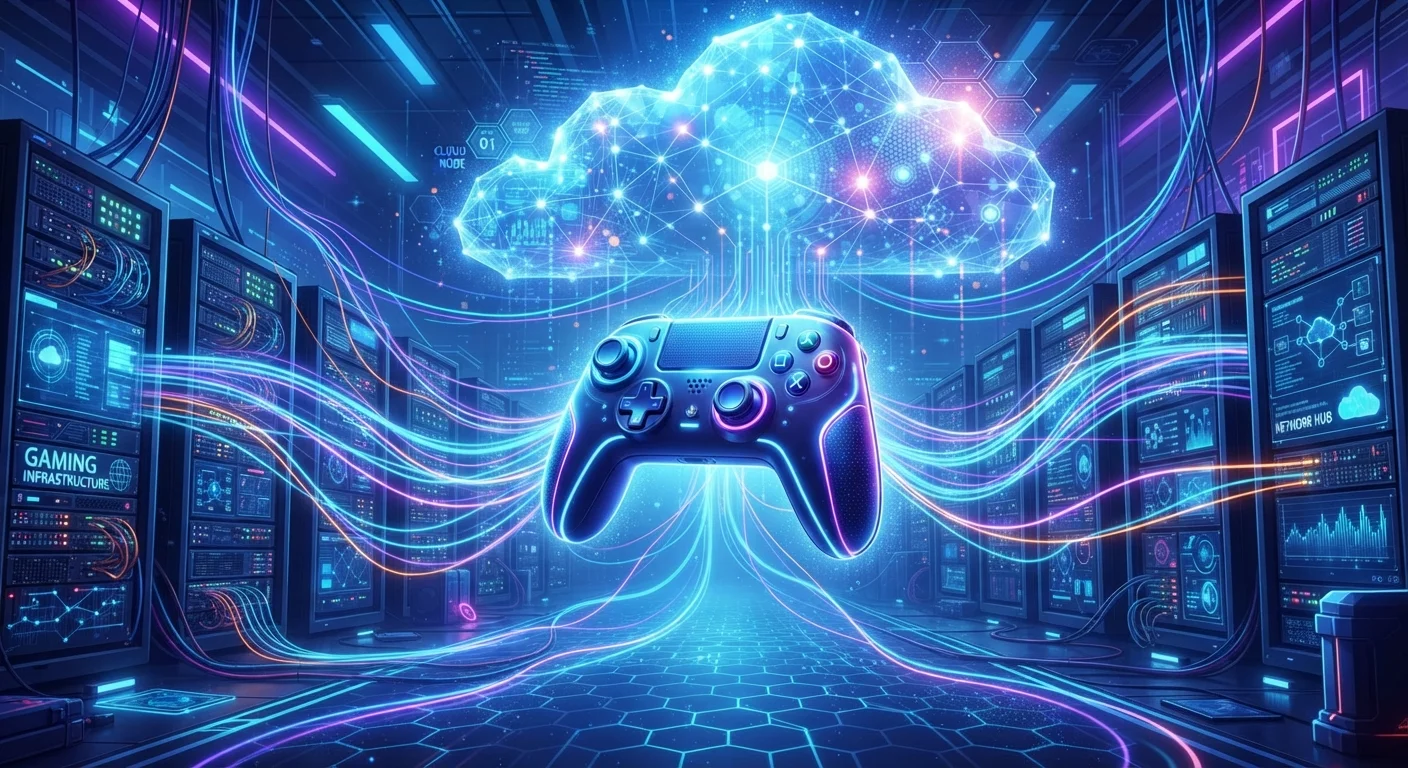
Photo credit: GadgetLite.net | All Things Tech
In this article
Cloud gaming lets you stream games without dedicated hardware. Here's how the technology works, what platforms offer it, and its current limitations.
Key Takeaways
- Cloud gaming streams games from remote servers, so you don't need expensive local hardware.
- A fast, stable internet connection is the single biggest factor in cloud gaming quality.
- Major cloud gaming services differ in their game libraries, pricing models, and device support.
- Input latency remains the main limitation separating cloud gaming from local play.
- Cloud gaming is a complement — not necessarily a replacement — for traditional platforms.
How Cloud Gaming Actually Works
Picture a massive, high-powered gaming PC sitting in a data center somewhere. When you launch a game through a cloud gaming service, that remote machine runs the game. It captures each frame and compresses it into a video stream, then fires it across the internet to your device — your phone, laptop, tablet, or TV. Your controller inputs travel back the other way, telling the server what you're doing. All of this happens dozens of times per second.
The result looks and feels like playing a game locally, provided your internet connection is fast and stable enough to keep up. When it works well, the experience can be genuinely impressive. When it doesn't — say, your Wi-Fi hiccups — you'll notice stuttering video or a frustrating delay between pressing a button and seeing your character respond. That delay is called input latency, and minimizing it is the central engineering challenge every cloud gaming provider is working to solve.
For a broader look at how cloud services handle remote computing, see our Cloud Storage Basics hub — the underlying infrastructure concepts overlap more than you might expect.
~15–35 Mbps
Recommended download speed for cloud gaming
Most major cloud gaming providers publish this range in their official setup requirements for HD streaming.
~10–20 GB/hr
Estimated data usage at high resolution
Streaming games at 1080p or higher is data-intensive; exact usage varies by service and resolution settings.
< 40ms
Target round-trip latency for comfortable play
Industry guidelines generally suggest latency below 40 milliseconds keeps the experience feeling responsive for most game genres.
The Major Cloud Gaming Platforms
Several large technology and gaming companies have built cloud gaming services, each with a distinct approach to what games are available and how you pay for access.
- NVIDIA GeForce NOW connects to games you already own on stores like Steam, letting you stream your existing library from NVIDIA's servers. It offers a free tier with limited session lengths and paid tiers for better performance.
- Xbox Cloud Gaming (part of Xbox Game Pass Ultimate) is Microsoft's service, giving subscribers access to a rotating library of titles that can be streamed to consoles, PCs, and mobile devices.
- PlayStation's cloud streaming is built into PlayStation Plus tiers, allowing access to a catalog of older and current PlayStation titles streamed to PS5 or PC.
- Amazon Luna operates on a channel-based subscription model, where you pay for themed bundles of games rather than one all-inclusive library.
Each platform has different strengths — library size, device compatibility, latency performance — so the right choice depends heavily on what you already own and where you play. For context on how these services fit into the bigger picture of gaming platforms, see how consoles, PCs, and mobile differ as gaming worlds.
“The biggest variable in cloud gaming quality isn't the server — it's the network path between you and the data center. Geography and connection type matter enormously.”
— Digital Foundry Technical Analysis Team, Hardware and performance analysis publication
Limitations You Should Know About
Cloud gaming is genuinely exciting technology, but it's worth going in with clear expectations. A few real-world limitations matter for most users:
- Internet dependency: There's no offline mode. No connection, no game — full stop.
- Latency sensitivity: Fast-reaction genres like competitive shooters or fighting games are more affected by latency than slower-paced games like strategy titles or RPGs. Cloud gaming tends to work better for some genres than others.
- Data usage: Streaming games at high quality can consume significant data — potentially 10–20 GB per hour at higher resolutions — which matters if you have a capped internet plan.
- Library gaps: Not every game is available on every cloud service, and publishers have to opt in. Niche or older titles may be absent entirely.
Cloud gaming is best understood as a complement to traditional platforms rather than a complete replacement — at least for now. Its history fits neatly into the broader story of how we've played games over the decades, which you can trace in full with the evolution of gaming platforms from arcades to cloud.
Test With a Free Tier First
Most major cloud gaming services offer a free tier or trial period. Before committing to a paid subscription, use the free option to test how the service performs on your specific internet connection and devices. Latency and video quality can vary dramatically by region and network setup.
Is Cloud Gaming Right for You?
Cloud gaming makes the most sense if you have a reliable high-speed internet connection and want to play games without investing in dedicated hardware. It's especially appealing for casual players who want occasional access to big-budget titles, people who travel and want to game on lightweight devices, or anyone curious about gaming without committing to a console purchase.
If you're a competitive or hardcore player who values zero-latency response or deep offline access, local hardware — whether a console or a gaming PC — still has the edge. And if you're new to gaming vocabulary in general, our gaming platforms glossary is a great place to get comfortable with the terminology you'll keep running into.
Cloud gaming is one of the more genuinely transformative ideas in the industry right now. Whether it becomes mainstream depends on internet infrastructure improving globally — but the direction of travel is clear.
Frequently Asked Questions

Author
Gaming Editorial Team
Gaming Editorial Team is the collective byline for our editorial team and contributor network. Articles published under this byline or an editorial pen name are researched, written, and reviewed according to our editorial standards for clarity, consistency, and independence before publication.
View all articles →