
The Everyday Person's Introduction to Wearable Tech
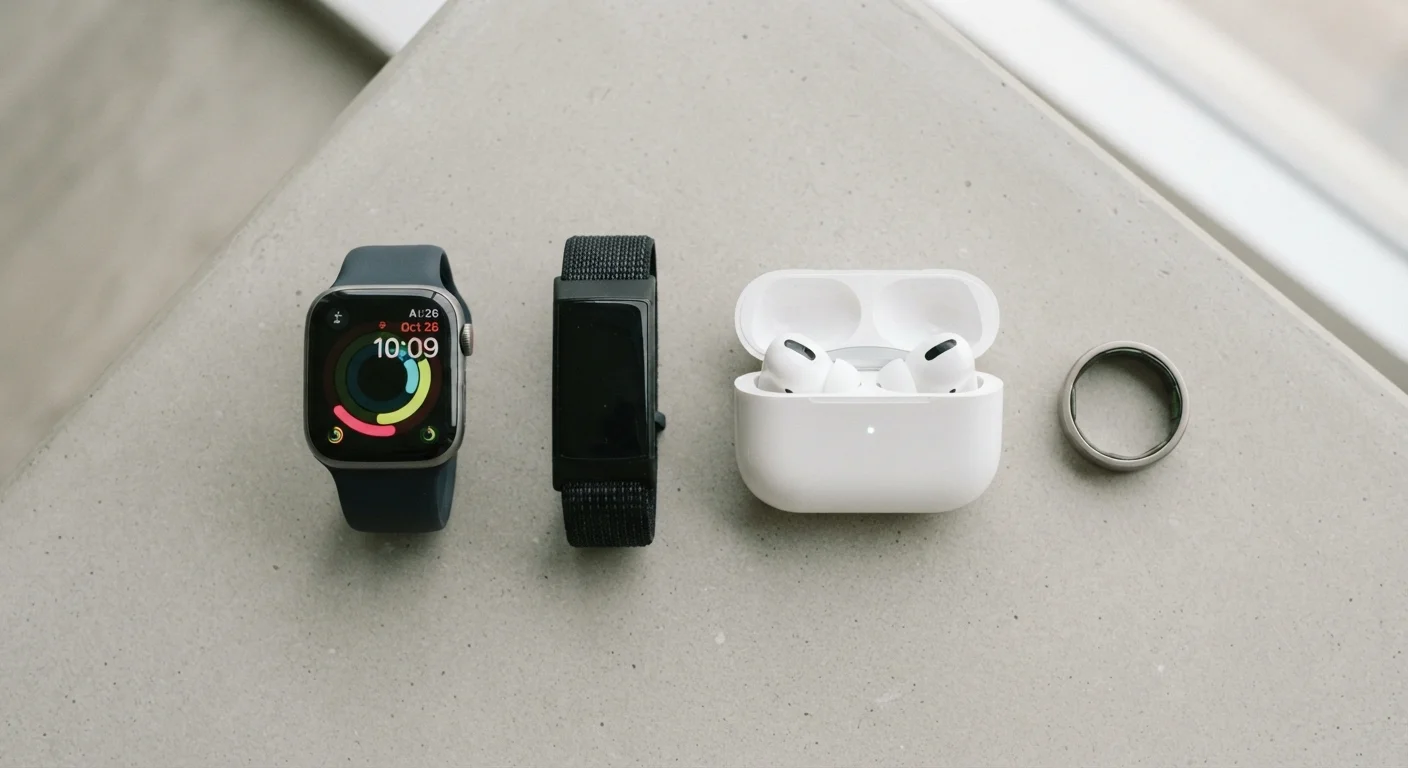
Photo credit: GadgetLite.net | All Things Tech
In this article
Never owned a wearable? This guide walks you through what's available, what each type does, and how to figure out what's worth trying.
Key Takeaways
- Wearables are body-worn gadgets that passively collect data or extend your phone's features.
- Smartwatches, fitness bands, earbuds, and smart rings each serve different needs.
- Health tracking features vary widely in accuracy — treat readings as general trends, not medical data.
- Compatibility with your phone's operating system matters before you choose a device.
- Wearables collect sensitive personal data; reviewing privacy settings is essential from day one.
What Wearable Tech Actually Is
Wearable tech is exactly what it sounds like: electronic devices you wear on your body. They sit on your wrist, in your ears, or on your finger and quietly collect data or deliver information without you having to pull out your phone. The core idea is convenience — your tech moves with you.
At the simplest level, a wearable contains sensors, a processor, and a wireless radio (usually Bluetooth). Those sensors capture signals — movement, heart rate, skin temperature — and the device sends that data to a paired smartphone app where it becomes readable. How these devices actually work is worth understanding if you want to go deeper, but for now, the practical frame is enough: wearables are passive data collectors and notification relays you don't have to think about constantly.
Sensor
A small component inside a wearable that detects physical signals — such as movement, light reflected from blood vessels, or skin temperature — and converts them into data.
Heart rate monitor
A sensor that uses light to detect blood flow under the skin and estimates how many times your heart beats per minute.
SpO2
Short for blood oxygen saturation — a percentage indicating how much oxygen your red blood cells are carrying. Consumer wearables offer estimates, not clinical readings.
Ecosystem
The connected family of devices, apps, and services from one manufacturer that are designed to work together — for example, pairing a wearable with a specific phone brand's software.
IP rating
A standardized code that indicates how resistant a device is to dust and water. Higher numbers mean greater protection — relevant for wearables worn during workouts or in the rain.
HRV
Heart rate variability — the slight variation in time between each heartbeat. Some wearables use it as a proxy for recovery and stress levels.
The Main Types of Wearables
The category is broader than most people realize. Here's a plain-language breakdown of the major types:
- Smartwatches — The most versatile option. They display notifications, track fitness, support apps, and often handle contactless payments. They tend to need daily or every-other-day charging.
- Fitness bands — Slim, focused devices built primarily for step counting, heart rate monitoring, and sleep tracking. Battery life is usually longer than a smartwatch. Fewer distractions.
- True wireless earbuds — Often overlooked as wearables, modern earbuds pack health sensors, real-time translation, and hearing enhancement features alongside audio.
- Smart rings — A newer category. They sit on your finger, track health metrics continuously, and have impressive battery life relative to their size. No screen means fewer notifications.
- GPS trackers — Wearables designed for location monitoring, common for outdoor activities or tracking children and pets.
For a more complete breakdown, see the full guide to wearable device categories.
What Wearables Can Realistically Do for You
The marketing promises a lot. Here's what wearables genuinely deliver for most everyday users:
- Nudging healthier habits. Step counts, standing reminders, and sleep scores create low-friction awareness of your daily patterns. They won't transform your lifestyle alone, but they can reinforce small changes.
- At-a-glance information. Checking a notification on your wrist takes two seconds; fishing out your phone takes longer. For people in meetings or with their hands full, this matters.
- Passive health monitoring. Heart rate trends, sleep stages, and estimated blood oxygen levels can surface patterns worth discussing with a doctor — though they are not medical devices.
- Convenience features. Contactless payments, music controls, and navigation prompts through a wrist tap are small but genuine daily time-savers.
Set it up properly on day one
The most common reason wearables end up in a drawer is a rushed or incomplete setup. Take ten minutes to configure your health profile, notification preferences, and app permissions during initial pairing. A device calibrated to your actual habits is far more useful than one running on default settings.
Long-term value depends on actually using the device consistently. Habits that keep your wearable useful over time can help prevent the common cycle of enthusiasm followed by abandonment.
What to Think About Before Getting One
Before choosing a wearable, work through a few practical questions:
- Phone compatibility
- Many wearables pair best — or only — with a specific phone ecosystem. Confirm your phone's operating system is supported.
- What you actually want it for
- Health tracking, notification management, audio, or all of the above? Knowing your primary use case narrows the category immediately.
- Comfort and wearability
- A device you take off after an hour provides no value. Consider weight, band material, and whether you're comfortable wearing something 24/7.
- Battery expectations
- If daily charging feels like a burden, lean toward a fitness band or smart ring over a full smartwatch.
If you're still figuring out where to start, this grounded starting point for first-time buyers walks through each decision methodically. And when spec sheets start looking confusing, reading a wearable spec sheet without getting lost is a useful reference.
Ecosystem lock-in is real
Some wearables are deeply tied to a single phone brand's ecosystem and offer a significantly reduced experience — or no experience at all — on competing platforms. Before purchasing, verify that your specific phone model and operating system version are fully supported by the device's companion app.
Privacy and Your Data
Wearables collect some of the most personal data that exists: your heart rate at 3am, your location during a run, your sleep patterns night after night. That information flows to manufacturer apps and, in many cases, to third-party partners.
A few habits make a meaningful difference from day one: review the app's privacy settings during setup, disable data sharing options you don't need, and understand whether health data is stored locally, in the cloud, or both. What wearables collect and where that data goes covers this in detail and is worth reading before you start syncing.
None of this should be a dealbreaker — but it should be a conscious decision, not an afterthought.
Wearables are not medical devices
Consumer wearables are designed for general wellness awareness, not clinical diagnosis. Readings for heart rate, blood oxygen, and sleep stages can highlight patterns worth exploring, but they should never replace professional medical evaluation. If a reading concerns you, speak with a healthcare provider.
Frequently Asked Questions

Author
Gadgets Editorial Team
Gadgets Editorial Team is the collective byline for our editorial team and contributor network. Articles published under this byline or an editorial pen name are researched, written, and reviewed according to our editorial standards for clarity, consistency, and independence before publication.
View all articles →