
Wearing Tech Every Day: Habits That Keep Your Device Useful Long-Term
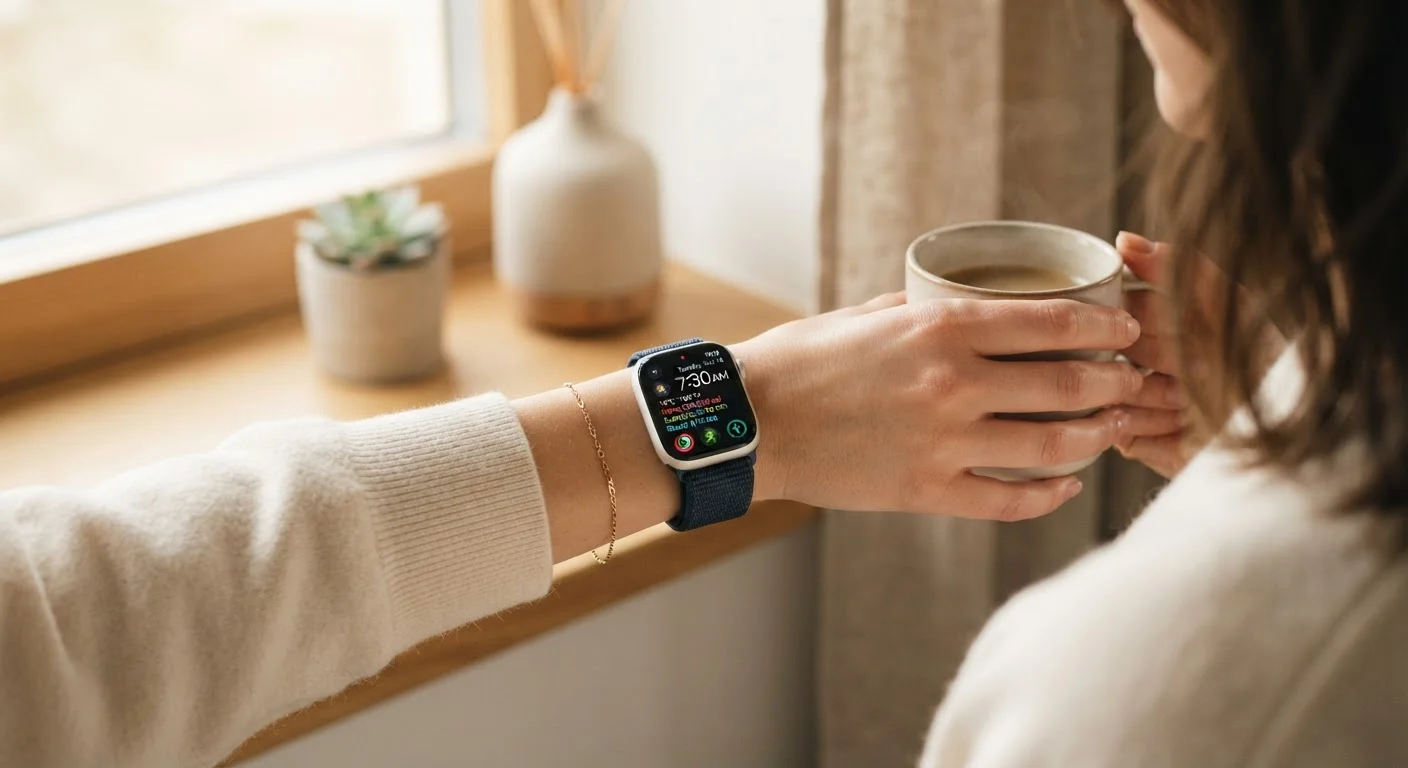
Photo credit: GadgetLite.net | All Things Tech
In this article
Wearables lose their value when routines slip. These practical habits help you stay consistent and get lasting benefit from your device.
Key Takeaways
- Consistency matters more than perfection — wearing your device daily unlocks its most useful data patterns.
- Charging habits and software updates directly affect both device longevity and data accuracy.
- Reviewing your data regularly, even briefly, keeps the device meaningfully integrated into your routine.
- Proper fit and placement are foundational to getting reliable readings from health-focused wearables.
- Most wearables go unused within weeks — small, intentional habits prevent that drop-off.
Why Habits Determine Wearable Value
A wearable device sitting on your nightstand every other day is little more than an expensive accessory. The gap between a useful device and a forgotten one usually comes down to routine, not technology. As explored in why most smart devices go unused after a month, consumer behavior research consistently shows wearables losing engagement quickly — and the cause is almost always habit erosion, not hardware failure.
The good news: the habits that sustain wearable use are simple and low-effort once they're embedded into your day. This guide focuses on the practices that make that happen.
Wear your device every day, even on rest days
Health wearables build useful baselines from continuous data. Sporadic wear creates gaps that make trend data unreliable and reduce the device's ability to flag meaningful changes. Consistency also reinforces the habit loop that keeps the device relevant.
Establish a fixed daily charging window
Running a wearable to zero battery repeatedly stresses lithium-ion cells and shortens overall battery lifespan. A predictable charging window — such as during your morning shower — eliminates dead-device frustration and protects long-term battery health.
Rinse the device and band after exposure to sweat or water
Accumulated sweat, chlorine, and salt water degrade band materials and can irritate skin over time. A quick rinse under fresh water after workouts or swimming extends both comfort and hardware life.
Review your weekly summary data with a specific question in mind
Open-ended data review often leads to information overload or disengagement. Approaching weekly summaries with a focused question — such as 'Did I hit my step target more than four days?' — makes the data actionable rather than abstract.
Install firmware and app updates promptly
Wearable manufacturers use updates to fix sensor calibration issues, improve battery efficiency, and close security gaps. Delaying updates leaves known problems unresolved and can affect the accuracy of health metrics.
The Core Habits That Make Wearables Work
Sustainable wearable use comes down to a handful of repeatable behaviors. None require technical expertise — just deliberate consistency.
For those newer to wearables, the everyday person's introduction to wearable tech offers helpful context on what these devices actually track and why it matters.
Protecting the Device Over Time
Wearables face daily exposure to sweat, water, pressure, and temperature shifts. Protecting your device isn't about being overly precious — it's about avoiding preventable wear that shortens its functional life.
Rotate Bands to Extend Their Life
Most wearable bands — silicone in particular — show wear faster than the device itself. Keeping a spare band and alternating between them reduces per-band stress and lets each one dry fully between uses. This is especially useful for anyone who exercises frequently or wears their device in humid conditions.
Software updates deserve attention too. Manufacturers regularly release firmware improvements that fix bugs, improve sensor accuracy, and patch security issues. Ignoring them can quietly degrade performance. Keeping software updated is one of the simplest ways to keep any device running well — wearables included.
For a broader look at sustainable electronics ownership, owning consumer electronics responsibly covers repair options and the environmental cost of premature device replacement.
~30%
Wearable abandonment within three months of purchase
Industry analysts and consumer behavior researchers have repeatedly estimated roughly a third of wearable owners stop using their device within the first few months.
2–3 years
Typical lithium-ion battery lifespan with good charging habits
Battery University and similar sources note that avoiding full discharges and extreme heat can significantly extend cell longevity in portable electronics.
Getting the Most From Your Data
Wearables generate a continuous stream of personal metrics — sleep duration, heart rate trends, activity levels — but the data only becomes valuable when you engage with it. Glancing at your stats once a week is enough to spot meaningful patterns without becoming obsessive about numbers.
Accurate data starts with how you wear the device. Fit, placement, and usage habits play a direct role in reading reliability — a loosely worn tracker on the wrong part of the wrist produces consistently misleading results. If your data seems erratic, check the basics before assuming something is wrong with the device.
Data Trends Matter More Than Daily Numbers
A single day's heart rate reading or step count is rarely meaningful in isolation. Wearables are designed to surface patterns over time — weekly averages and month-over-month trends are where the genuine insight lives. Avoid over-interpreting individual data points, particularly for health metrics, and consult a healthcare professional if any readings cause concern.
If you're still figuring out which type of wearable suits your lifestyle, a practical self-assessment can help you clarify your goals before investing further.

Author
Electronics Editorial Team
Electronics Editorial Team is the collective byline for our editorial team and contributor network. Articles published under this byline or an editorial pen name are researched, written, and reviewed according to our editorial standards for clarity, consistency, and independence before publication.
View all articles →