
Smartwatch or Smartphone: When Reaching for Your Wrist Actually Makes Sense
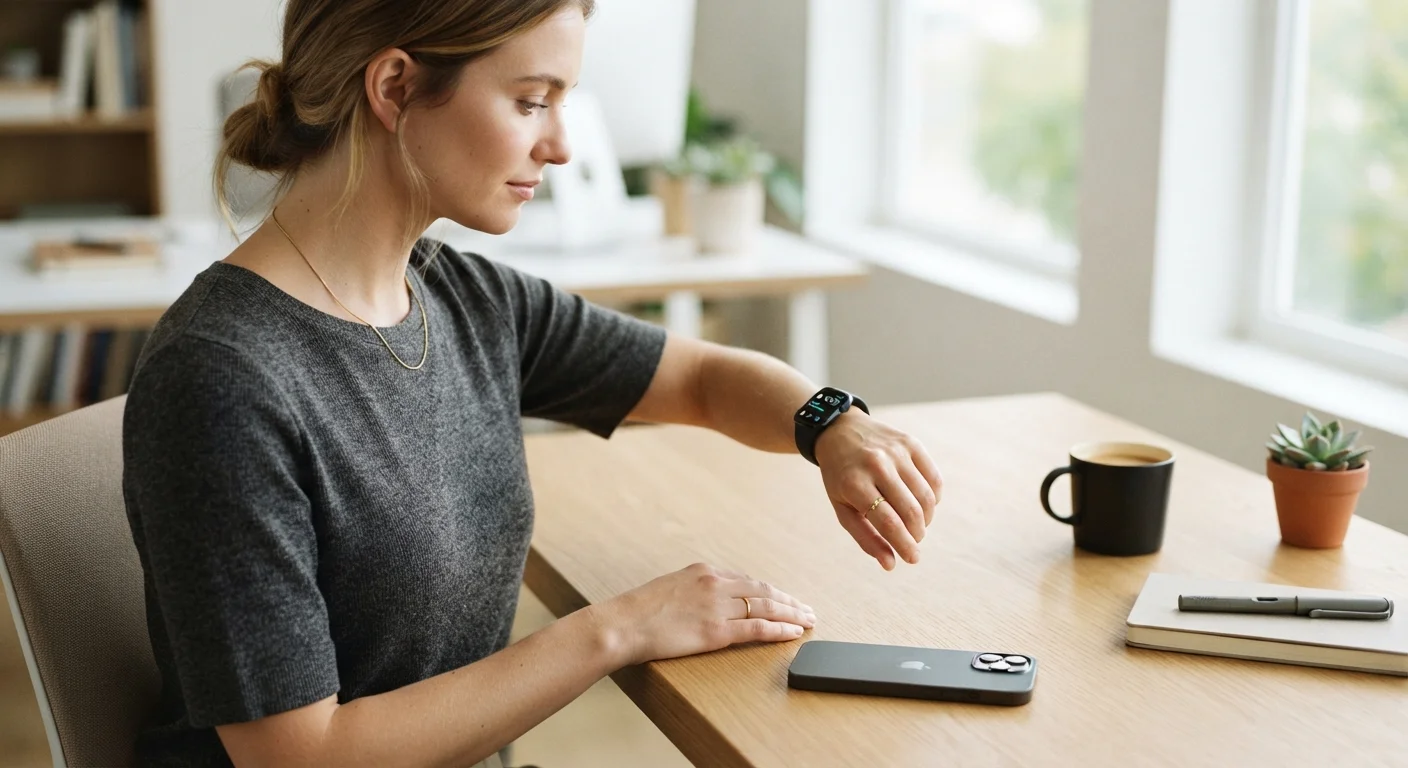
Photo credit: GadgetLite.net | All Things Tech
In this article
Smartwatches don't replace phones, but they do certain things better. Here's a clear-eyed look at where each device pulls its weight.
Key Takeaways
- Smartwatches excel at quick, glanceable tasks — notifications, timers, and health tracking — without pulling you into a screen.
- Smartphones remain the clear choice for anything requiring typing, browsing, media consumption, or complex apps.
- The two devices work best as a team, not as replacements for each other.
- Your daily routine — not spec sheets — should drive which device you reach for in any given moment.
- Standalone smartwatches with LTE add independence, but most people rarely need a phone-free experience all day.
Two Devices, Two Very Different Jobs
The smartwatch vs. smartphone debate isn't really about which device is better — it's about which one is right for this moment. Smartphones are general-purpose computers that happen to fit in your pocket. Smartwatches are purpose-built for immediacy: small interactions, body data, and ambient awareness.
Understanding that distinction is the foundation. A smartwatch isn't a shrunken phone. It's a different category of tool, and treating it like one unlocks its actual value. For a broader look at how wearables fit into your life, the Wearable Devices hub is a solid starting point.
| Smartwatch | Smartphone | |
|---|---|---|
| Notification handling | Glanceable, discreet, wrist-level | Full detail, requires unlock |
| Health & fitness tracking | Continuous, on-body sensors | Limited, requires carrying device |
| Typing & communication | Very limited, voice or swipe only | Full keyboard, natural experience |
| Media & content consumption | Poor — tiny screen | Excellent — large display |
| Workout use | Ideal — stays on wrist | Awkward — requires armband or pocket |
| App depth & variety | Limited ecosystem | Vast, fully featured apps |
| Battery life | 1–3 days (most models) | 1–2 days typical |
| Independence (no other device needed) | Partial — LTE models only | Full independence |
Where the Smartwatch Actually Wins
There are specific situations where glancing at your wrist is genuinely superior to pulling out your phone:
- Notifications at a glance: Reading a text preview or calendar alert without unlocking a 6-inch screen is faster and far less disruptive — especially in meetings or conversations.
- Health and body data: Continuous heart rate tracking, sleep monitoring, blood oxygen readings, and ECG features require a sensor worn on the body. No phone can replicate that passively.
- Workouts: A watch stays on your wrist while you run, cycle, or swim. Controlling music, tracking pace, or checking your heart rate mid-exercise is dramatically easier than fumbling with a phone.
- Subtle interactions: Checking the time, setting a quick timer, or dismissing a call discreetly in situations where pulling out your phone would be rude or impractical.
If these moments describe your average day, a smartwatch is likely earning its place. See how it compares to simpler health wearables in our fitness trackers vs. smartwatches breakdown.
Use Your Watch as a Filter, Not a Feed
One of the most underrated smartwatch habits is being selective about which notifications reach your wrist. Routing only high-priority alerts — calls, calendar reminders, key contacts — keeps the experience genuinely useful. Letting every app buzz your wrist quickly reverses the convenience benefit and creates its own form of distraction.
Where the Smartphone Remains Indispensable
Smartwatches have real limits — and most stem from the form factor itself. A small screen, no physical keyboard, and constrained processing mean some tasks simply don't belong on the wrist:
- Typing and communication: Composing an email, drafting a message, or filling out a form requires a real keyboard or at minimum a larger touchscreen.
- Browsing and research: Reading articles, comparing options, or navigating websites is a poor experience on a 1.5-inch display.
- Media consumption: Video, long-form audio, podcasts, and photography all live more naturally on a phone.
- Complex apps: Banking, navigation with full maps, shopping, and productivity tools are smartphone-class experiences.
The phone also remains the hub: it manages most smartwatch syncing, app stores, and cellular connectivity for paired wearables. Understanding that dependency is important — our piece on standalone vs. phone-dependent wearables explains how this shapes your daily use.
Don't Assume LTE Makes a Smartwatch Truly Phone-Free
Many smartwatches offer LTE connectivity, which lets them make calls and stream music without a nearby phone. In practice, though, most still depend on a paired phone for app updates, full functionality, and initial setup. Going completely phone-free for extended periods is possible but often more limited than marketing suggests. Check which features require a phone connection before assuming total independence.
Making the Call: How to Decide What You Actually Need
The right way to evaluate this isn't spec comparisons — it's honest self-assessment. Ask yourself:
- Do I frequently miss calls or messages because my phone is in my bag or pocket?
- Am I active enough that wrist-based fitness tracking would change my behavior?
- Do I spend significant time in situations — meetings, workouts, social settings — where pulling out a phone is awkward?
If you answered yes to two or more, a smartwatch is likely to add real value alongside your phone. If you answered no, you may be paying for convenience you won't use regularly. Before committing, it's worth working through our practical smartwatch checklist to match features to your actual habits.
There are also honest downsides to smartwatch ownership — daily charging, occasional notification fatigue, and a learning curve for some features. Our honest look at smartwatch trade-offs covers those in detail so you go in with clear expectations.
The clearest takeaway: think of these devices as teammates. Let the phone handle depth. Let the watch handle speed. When each does what it's designed for, both become more useful — not less.

Author
Gadgets Editorial Team
Gadgets Editorial Team is the collective byline for our editorial team and contributor network. Articles published under this byline or an editorial pen name are researched, written, and reviewed according to our editorial standards for clarity, consistency, and independence before publication.
View all articles →