
Living With a Smartwatch: The Honest Trade-Offs
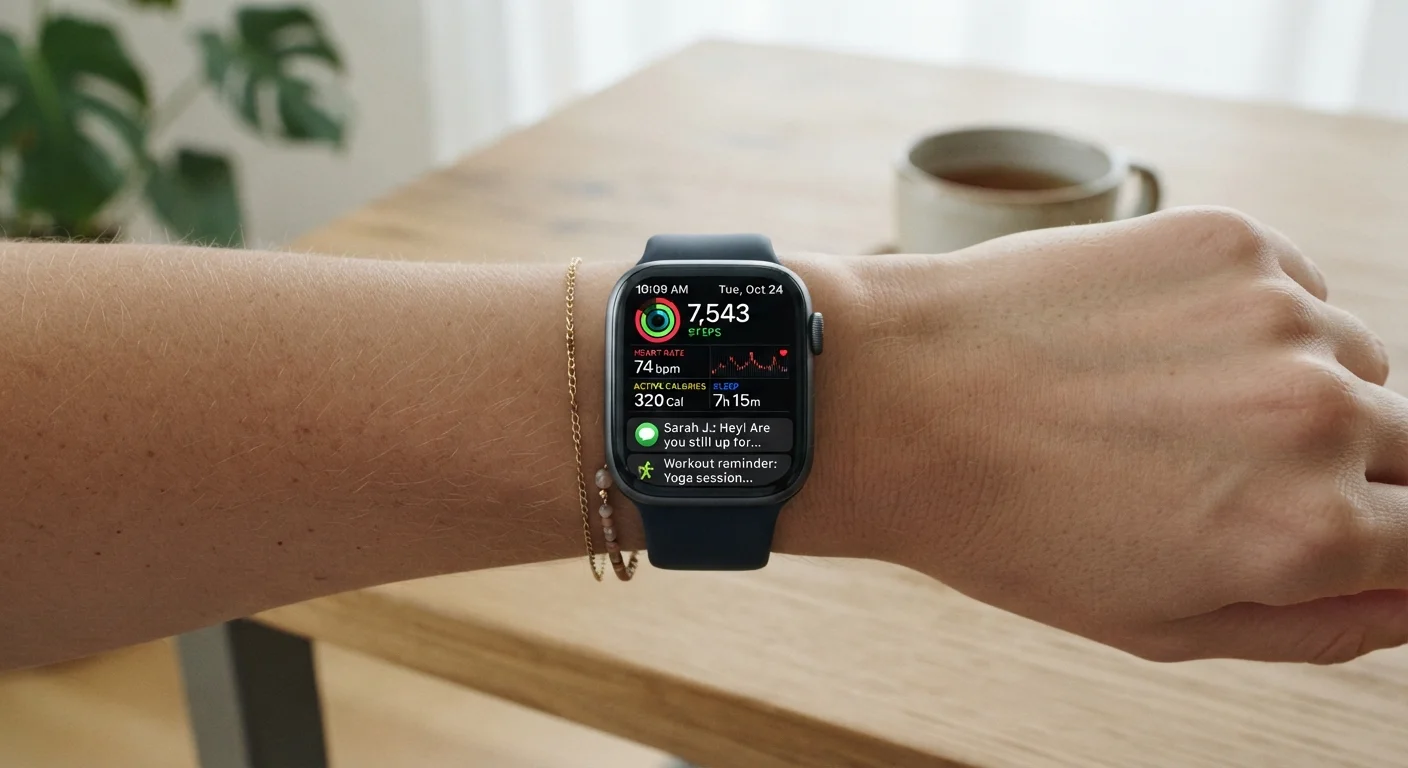
Photo credit: GadgetLite.net | All Things Tech
In this article
Smartwatches offer convenience and health insights, but they come with real downsides too. Here's a balanced look at both sides.
Key Takeaways
- Smartwatches deliver genuine health insights, but sensor accuracy varies by activity and wrist placement.
- Constant notifications can boost awareness or create distraction, depending on how you configure them.
- Most smartwatches require daily or every-other-day charging, which is a real lifestyle adjustment.
- Health and location data collected by smartwatches is regularly shared with third-party apps.
- A smartwatch works best as a complement to your phone, not a replacement for it.
Passive health monitoring throughout the day
Heart rate, blood oxygen levels, step counts, and sleep stages are logged automatically without any active input. For users managing cardiovascular wellness or simply trying to move more, having a continuous baseline can prompt more informed conversations with a doctor.
Faster, less disruptive notification glances
A wrist tap lets you decide in under a second whether a notification needs immediate attention. This reduces full phone-checking sessions, which research from institutions including the University of California has associated with reduced focus and increased stress.
Contactless payments and quick access features
NFC-enabled smartwatches allow tap-to-pay at supported terminals without retrieving a wallet or phone. Timers, alarms, and voice assistants are also accessible hands-free, which is genuinely useful during cooking, exercise, or commuting.
Motivation through activity goals and reminders
Stand reminders, move rings, and weekly activity summaries give users lightweight but consistent nudges toward physical activity. Many users report that visible progress tracking helps build and sustain movement habits.
Emergency and safety features
Fall detection and emergency SOS capabilities are available on several smartwatch platforms. For older adults or individuals with certain health conditions, these features can provide an additional layer of reassurance.
Frequent charging disrupts overnight use
Most smartwatches require charging every one to two days, and sleep tracking — one of their most valued features — requires wearing the device overnight. This creates a charging window problem that users often don't anticipate before purchase.
Health sensor accuracy has meaningful limits
Optical heart rate sensors and SpO2 readings are affected by skin tone, wrist placement, movement, and ambient temperature. Consumer-grade smartwatches are not medical devices, and their readings should not be treated as diagnostic.
Continuous data collection raises privacy concerns
Smartwatches gather biometric, location, and behavioral data that is typically processed on manufacturer servers and shared with third-party apps. Users who do not actively audit app permissions may share more data than they realize.
Notification overload without deliberate configuration
An unconfigured smartwatch that mirrors every phone notification can increase interruption frequency rather than reduce it. Without setup effort, the device amplifies distraction instead of filtering it.
Added cost and dependency on a smartphone
Smartwatches are a secondary purchase that typically requires a compatible smartphone to unlock full functionality. Users who frequently upgrade phones may also face compatibility constraints.
Screen-on-wrist presence affects social context
Glancing at a wrist during meetings or conversations can be perceived as disengagement, even when the user is checking a health metric rather than a message. Managing social perception is a real, if minor, adjustment.
What a Smartwatch Actually Does Day-to-Day
A smartwatch sits at the intersection of health tracker, notification hub, and personal assistant. On any given day it might log your heart rate during a walk, tap your wrist when a message arrives, track your sleep, and let you pay for coffee — all without reaching for your phone.
That breadth is part of the appeal, but it also creates realistic expectations worth setting before you strap one on. Not every feature works equally well, and how much value you get depends heavily on how the device fits into your specific routine. Smartwatches complement phones rather than replace them, which is an important frame for evaluating whether one belongs on your wrist.
The Genuine Advantages
There are several areas where smartwatches have proven their usefulness for everyday users:
Passive health monitoring throughout the day
Heart rate, blood oxygen levels, step counts, and sleep stages are logged automatically without any active input. For users managing cardiovascular wellness or simply trying to move more, having a continuous baseline can prompt more informed conversations with a doctor.
Faster, less disruptive notification glances
A wrist tap lets you decide in under a second whether a notification needs immediate attention. This reduces full phone-checking sessions, which research from institutions including the University of California has associated with reduced focus and increased stress.
Contactless payments and quick access features
NFC-enabled smartwatches allow tap-to-pay at supported terminals without retrieving a wallet or phone. Timers, alarms, and voice assistants are also accessible hands-free, which is genuinely useful during cooking, exercise, or commuting.
Motivation through activity goals and reminders
Stand reminders, move rings, and weekly activity summaries give users lightweight but consistent nudges toward physical activity. Many users report that visible progress tracking helps build and sustain movement habits.
Emergency and safety features
Fall detection and emergency SOS capabilities are available on several smartwatch platforms. For older adults or individuals with certain health conditions, these features can provide an additional layer of reassurance.
Notification management is frequently cited as one of the most habit-changing benefits. Rather than pulling your phone out repeatedly throughout the day, a glance at your wrist tells you whether a buzz is worth stopping for. Configuring notifications thoughtfully determines whether this becomes a genuine gain or just another distraction layer.
The Real Downsides
Owning a smartwatch isn't without friction. These are the trade-offs users consistently encounter:
Frequent charging disrupts overnight use
Most smartwatches require charging every one to two days, and sleep tracking — one of their most valued features — requires wearing the device overnight. This creates a charging window problem that users often don't anticipate before purchase.
Health sensor accuracy has meaningful limits
Optical heart rate sensors and SpO2 readings are affected by skin tone, wrist placement, movement, and ambient temperature. Consumer-grade smartwatches are not medical devices, and their readings should not be treated as diagnostic.
Continuous data collection raises privacy concerns
Smartwatches gather biometric, location, and behavioral data that is typically processed on manufacturer servers and shared with third-party apps. Users who do not actively audit app permissions may share more data than they realize.
Notification overload without deliberate configuration
An unconfigured smartwatch that mirrors every phone notification can increase interruption frequency rather than reduce it. Without setup effort, the device amplifies distraction instead of filtering it.
Added cost and dependency on a smartphone
Smartwatches are a secondary purchase that typically requires a compatible smartphone to unlock full functionality. Users who frequently upgrade phones may also face compatibility constraints.
Screen-on-wrist presence affects social context
Glancing at a wrist during meetings or conversations can be perceived as disengagement, even when the user is checking a health metric rather than a message. Managing social perception is a real, if minor, adjustment.
Privacy deserves particular attention. Smartwatches collect a continuous stream of biometric and location data, much of which flows into manufacturer platforms and connected apps. Understanding what you exchange for app features is worth doing before granting permissions you can't easily take back.
30%
Users who stop wearing smartwatch within months
Industry analyst data has suggested that a significant share of wearable purchasers discontinue use within six months, often citing charging fatigue and notification overload as primary reasons.
~1–2 days
Typical battery life for mainstream smartwatches
Most flagship smartwatches from major manufacturers list battery life between one and two days with always-on display enabled, based on published product specifications.
How Smartwatches Compare to Simpler Alternatives
If health tracking is your primary goal, a dedicated fitness tracker will often outlast a smartwatch on a single charge, carry a lower price, and present fewer notification-related distractions. Fitness trackers carry their own long-term trade-offs, but the focused feature set can be an advantage for users who don't need a notification hub on their wrist.
At the other end of the spectrum, smart rings offer a screen-free alternative for passive health monitoring, though they sacrifice the interactive interface entirely. Understanding what separates these device categories is useful groundwork — the differences between smartwatches and fitness trackers are more significant than the hardware alone suggests.
Smartwatches Are Not Medical Devices
Features like heart rate monitoring, blood oxygen sensing, and ECG readings on consumer smartwatches are designed for general wellness awareness, not clinical diagnosis. Regulatory bodies such as the FDA distinguish between general wellness products and cleared medical devices. If you have a specific health concern, consult a healthcare professional rather than relying on wearable data alone.

Author
Electronics Editorial Team
Electronics Editorial Team is the collective byline for our editorial team and contributor network. Articles published under this byline or an editorial pen name are researched, written, and reviewed according to our editorial standards for clarity, consistency, and independence before publication.
View all articles →