
New Gadget, Old Habits: Why Most Smart Devices Go Unused After a Month
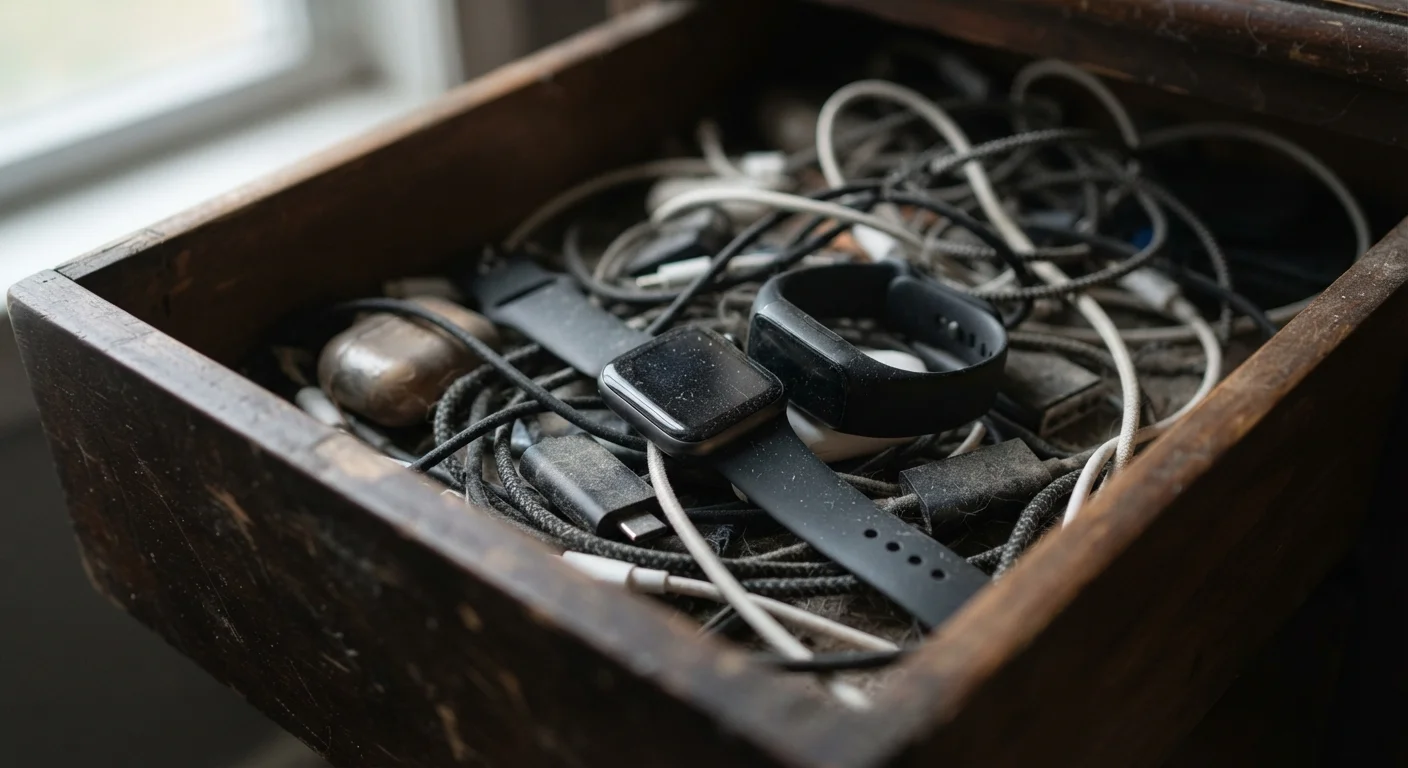
Photo credit: GadgetLite.net | All Things Tech
In this article
Studies on consumer behaviour consistently show wearables gathering dust. Here's what causes the drop-off—and whether the pattern applies to you.
Key Takeaways
- Most people stop using new smart gadgets within the first four to six weeks after purchase.
- Buying a device to change a habit rarely works — the habit change has to come first.
- Setup friction, notification overload, and mismatched expectations are the top abandonment triggers.
- A short pre-purchase self-assessment significantly improves long-term device use rates.
- Devices with a single, clearly defined purpose tend to hold user attention longer than all-in-one gadgets.
Why Smart Devices Stall Out
The pattern is consistent enough to have its own name in consumer research circles: the adoption cliff. Someone buys a promising gadget — a fitness tracker, a smart ring, a connected health monitor — uses it intensively for a few weeks, then quietly stops. The device ends up in a drawer, and a vague sense of wasted money lingers alongside it.
This isn't a niche problem. Wearable technology adoption studies repeatedly show that a significant share of devices go inactive within months of purchase. Understanding why the drop-off happens is more useful than blaming willpower — the causes are structural and predictable.
~33%
Wearables abandoned within 6 months
Industry research from Endeavour Partners found roughly one-third of US wearable owners stopped using their device within six months of purchase.
1–2 weeks
Peak engagement window after unboxing
Consumer behaviour studies suggest active use and data-checking peak in the first one to two weeks, with a measurable drop in engagement by week four.
The good news: most of the causes are avoidable with some pre-purchase honesty and a more deliberate approach to setup and integration. The smartwatch and accessories space keeps expanding, which means more opportunity to pick the wrong device for the wrong reasons — or to get it right.
The Mistakes That Lead to Abandonment
Most gadget abandonment traces back to a small set of repeatable errors. They happen before purchase, during setup, and in the first few weeks of use. Recognising them ahead of time is the most reliable way to break the pattern.
Buying a device to solve a vague goal like 'getting healthier' or 'being more productive.'
Why it happens: Marketing for wearables often frames devices as lifestyle transformations rather than specific tools, which encourages aspirational rather than practical purchasing.
Skipping the initial setup and onboarding steps, leaving features half-configured.
Why it happens: Unboxing excitement pushes people to start using a device immediately rather than spending time on firmware updates, app permissions, and personalization settings.
Allowing the device to generate too many notifications, then turning them all off.
Why it happens: Default notification settings on most smart devices are aggressive. Users get overwhelmed, disable everything, and the device loses most of its usefulness in one move.
Judging a device's value entirely by its data accuracy in the first few days of use.
Why it happens: Most health wearables require correct fit, consistent placement, and a calibration period to deliver reliable readings — details that are easy to miss in early use.
Choosing an all-in-one device when a single-purpose tool would have been a better fit.
Why it happens: Feature-count is used as a proxy for value, so devices with more functions appear to offer better return on investment — even when most features go unused.
The Gadget Won't Build the Habit
A smart device can support an existing routine, but it cannot create motivation from scratch. Research into behaviour change consistently shows that tools reinforce habits — they don't originate them. If the underlying behaviour isn't already present in some form, no wearable or smart gadget will install it.
If you're already mid-cycle with a device that's losing your attention, the fix usually isn't a new gadget — it's rebuilding a specific routine around the one you have. Daily habits that sustain device value tend to be simple: consistent wear times, a single metric to track weekly, and removing friction from the charging routine.
Before the Next Purchase
The single most effective intervention is slowing down the decision. A structured pre-purchase self-assessment — covering your actual daily routine, the specific behaviour you want to support, and which features you'd realistically use — filters out a large proportion of poor fits before money changes hands.
Novelty Wears Off Faster Than You Think
The initial excitement of a new gadget is a well-documented psychological phenomenon sometimes called the 'honeymoon effect.' Studies on consumer electronics adoption suggest engagement peaks in the first one to two weeks and drops sharply by week four. Buying decisions made during that excitement window often don't hold up once the novelty fades.
For those already wearing a tracker and wondering whether the data they're seeing is trustworthy, the device's age and setup matter more than the spec sheet. Long-term tracker trade-offs, including accuracy caveats and privacy considerations, are worth understanding before you commit to acting on the numbers.
The gadgets that stay in use share a common trait: they were chosen to complement something the user was already doing, not to initiate something new. That distinction, more than brand or price, determines whether a device earns a permanent place in your routine or a spot at the back of a drawer.

Author
Releases Editorial Team
Releases Editorial Team is the collective byline for our editorial team and contributor network. Articles published under this byline or an editorial pen name are researched, written, and reviewed according to our editorial standards for clarity, consistency, and independence before publication.
View all articles →