
Software That Runs Your Device Without You Seeing It
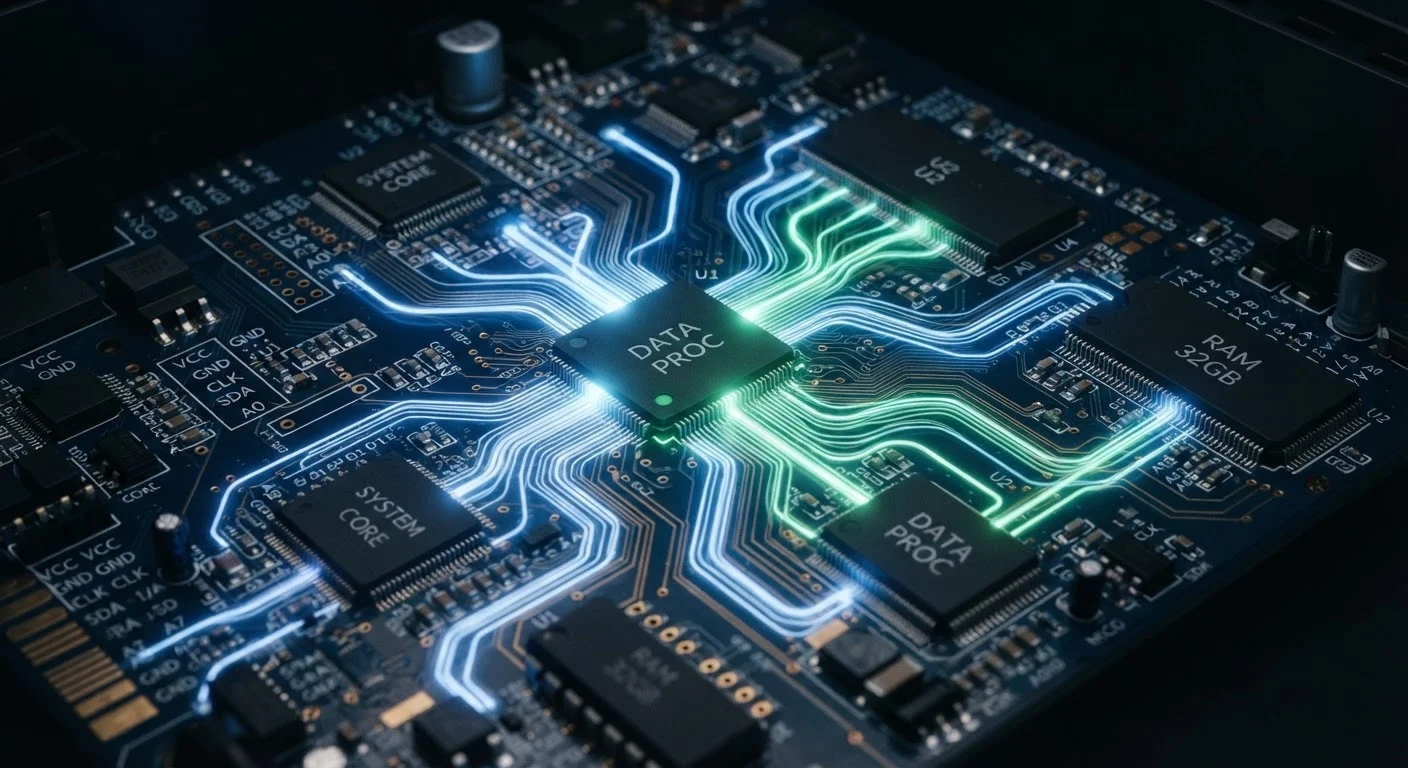
Photo credit: GadgetLite.net | All Things Tech
In this article
Firmware, drivers, and daemons quietly keep your devices running. Here's what they do and why updating them matters.
Key Takeaways
- Firmware is software baked into hardware that tells it how to function at a basic level.
- Drivers act as translators between your operating system and physical components like printers or graphics cards.
- Daemons are always-on background processes that handle tasks like syncing, scheduling, and connectivity.
- Updating these invisible software layers improves security, stability, and device performance.
- Most background software updates are delivered automatically through your OS or manufacturer's update tools.
The Software You Never See - But Always Depend On
When most people think about software, they picture apps: the camera, a streaming service, a game. But underneath every tap and swipe, a whole layer of invisible software is doing the real foundational work. Understanding what it is helps you make sense of why updates matter and why devices sometimes behave strangely after a hardware change or OS upgrade.
There are three main categories worth knowing: firmware, drivers, and daemons. Each plays a distinct role, and together they form the invisible backbone of every device you own. For a broader look at where these fit in the overall software landscape, see The Software Categories Every Device Owner Should Know.
~1,900
CVEs logged against firmware annually
According to the National Vulnerability Database, firmware vulnerabilities consistently represent a significant share of reported hardware-related security issues each year.
30%+
Of support issues tied to driver conflicts
Industry technician surveys have repeatedly found that a substantial portion of hardware malfunction reports trace back to outdated or incompatible driver software rather than physical faults.
Firmware: Instructions Baked Into the Hardware Itself
Firmware is software that lives directly on a hardware component - stored in a chip on the device rather than on a general-purpose hard drive or memory card. It defines the most fundamental behaviors: how a device powers on, how it communicates with other components, and what it does before the main operating system even loads.
Your router, SSD, wireless earbuds, and even your TV remote all have firmware. When you update your router through its admin panel, or update your smartwatch through a companion app, you're installing new firmware. These updates often contain critical security fixes - not just feature additions. Wearable devices are especially reliant on firmware since they have limited interfaces and depend on it for sensor accuracy and battery management.
Check for Firmware Updates in Companion Apps
Many devices - earbuds, smartwatches, routers, smart home hubs - deliver firmware updates only through a paired companion app, not through your phone's main OS update channel. Make it a habit to periodically open those apps and check for available updates, especially after a major OS upgrade on your phone or computer.
Drivers: The Translators Between OS and Hardware
Every piece of hardware connected to your computer or phone needs a driver - a small program that tells the operating system exactly how to talk to it. Your graphics card, touchscreen, USB port, fingerprint sensor, and camera all rely on drivers to function.
When you plug in a new printer and your computer asks to install software, that software usually includes a driver. Modern operating systems like Windows and macOS ship with generic drivers for common hardware types, but manufacturers often release their own drivers with more precise control. Outdated or missing drivers are a common cause of hardware behaving unexpectedly - a microphone that stops working after an OS update, for example, is often a driver compatibility issue. This also connects to why phones can feel slower over time as driver-level optimizations fall behind newer OS versions.
Daemons: The Always-On Background Processes
A daemon (the term comes from Unix computing, where it was used to describe background helper processes) is a program that starts automatically when your device boots and keeps running without any visible window or icon. You don't launch it; it just runs.
On your phone, daemons manage Bluetooth discovery, push notifications, location services, and scheduled backups. On a Mac or PC, system daemons handle things like print spooling, network time synchronization, and hardware monitoring. When your phone's battery drains faster than expected, a misbehaving daemon that's stuck in a loop is sometimes the cause - this is why a restart often resolves unusual battery drain without any other changes.
Daemons Are Not the Same as Malware
The word 'daemon' can sound alarming, but it simply describes any legitimate background process built into your OS or trusted software. Malware can also run in the background, but the distinguishing factor is authorization and source: daemons are intentionally installed by your OS or trusted apps. If you're concerned about unauthorized background processes, a reputable security scan is the right tool.
Why Keeping These Layers Updated Actually Matters
Because firmware, drivers, and daemons operate beneath the apps you use, it's easy to assume they're not your concern. But neglecting updates to these layers can leave real gaps. Security vulnerabilities in firmware are especially serious because they can be exploited before your operating system even loads its own defenses.
Most updates to these layers arrive automatically - through Windows Update, macOS Software Update, iOS and Android system updates, or a device's companion app. The main action on your part is not dismissing or indefinitely postponing those update prompts. For practical habits around managing all types of software updates, Updating Software: The Habits That Keep Your Devices Running Smoothly walks through a sustainable approach. And if you're curious how this connects to what mobile OS updates actually include, driver and daemon updates are often bundled into those releases even when they aren't highlighted in the feature notes.
Frequently Asked Questions

Author
Apps & Software Editorial Team
Apps & Software Editorial Team is the collective byline for our editorial team and contributor network. Articles published under this byline or an editorial pen name are researched, written, and reviewed according to our editorial standards for clarity, consistency, and independence before publication.
View all articles →