
Standalone vs. Phone-Dependent Wearables: How the Architecture Shapes Daily Use
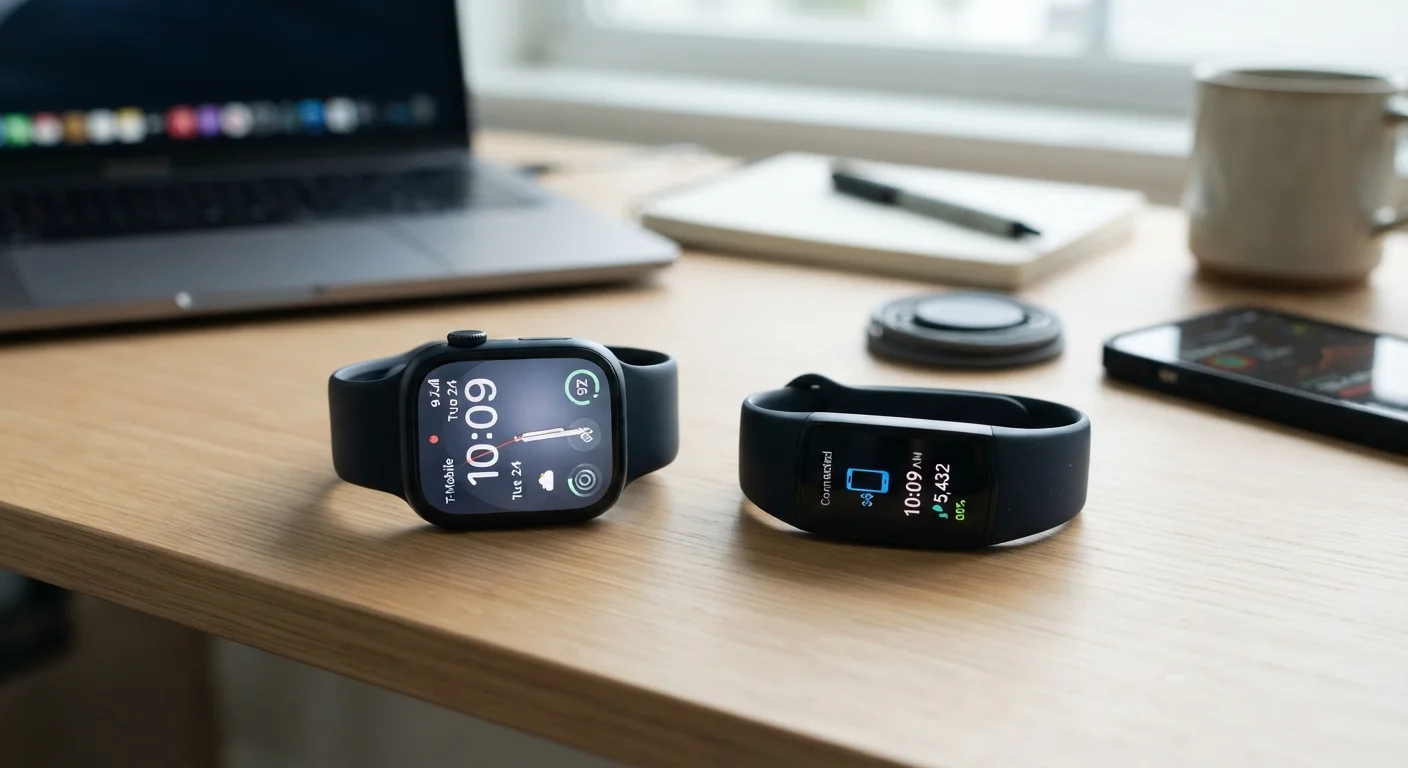
Photo credit: GadgetLite.net | All Things Tech
In this article
Some wearables work independently; others need your phone nearby. This comparison explains how that distinction affects features, battery, and convenience.
Key Takeaways
- Standalone wearables include their own cellular chip and can operate without a nearby phone.
- Phone-dependent wearables rely on Bluetooth or Wi-Fi tethering and lose many features when disconnected.
- Standalone designs typically cost more and have shorter battery life due to added hardware.
- Phone-dependent devices are lighter, cheaper, and often have multi-day or week-long battery life.
- Your daily routine — particularly how far you stray from your phone — should drive the choice.
What the Architecture Actually Means
Every wearable — smartwatch, fitness tracker, or smart ring — falls into one of two functional categories: it either works on its own, or it needs your phone to deliver its full feature set. This isn't a marketing distinction; it's a hardware one that shapes every interaction you'll have with the device.
Standalone wearables carry their own cellular radio, which means they connect directly to a mobile network without a phone present. They can make calls, stream music, receive notifications, and ping GPS satellites independently. Phone-dependent wearables offload those tasks to your smartphone via Bluetooth or Wi-Fi. When the phone is nearby, they feel feature-complete. When it isn't, capabilities drop off sharply.
For a broader view of the wearable landscape before diving into this comparison, see our breakdown of what wearable devices actually do.
Feature Differences in Everyday Use
The gap between the two types becomes clearest when you imagine a 45-minute run without your phone. A standalone watch streams music, tracks GPS, and lets an emergency contact reach you. A phone-dependent tracker records steps and heart rate — but calls, streaming, and real-time map data disappear the moment Bluetooth range runs out.
| Standalone Wearable | Phone-Dependent Wearable | |
|---|---|---|
| Cellular connectivity | Built-in LTE/eSIM | None — relies on phone |
| Works without phone nearby | Yes, full or near-full features | Limited — basic sensors only |
| Typical battery life | 1–2 days | 5–14+ days |
| GPS capability | On-device, independent | Often relies on phone GPS |
| Monthly carrier cost | Yes — watch plan required | No additional plan needed |
| Device weight/bulk | Heavier due to added hardware | Lighter, slimmer form factor |
| Hardware price range | Generally higher | Generally lower |
| Emergency calling | Supported independently | Requires phone in range |
Notification handling also differs. Phone-dependent devices mirror alerts from your phone in real time but can't respond independently to messages in any meaningful way. Standalone devices can send replies, take calls, and run limited apps because they have their own OS compute resources and network access.
For a look at how this plays out across specific activity types, this comparison of sport vs. wellness wearables adds useful context.
Battery Life and Hardware Trade-offs
Cellular radios are power-hungry. A standalone LTE smartwatch typically delivers one to two days of battery life under mixed use. A comparable phone-dependent fitness band or smart ring can run five to fourteen days on a single charge — sometimes longer — because it isn't powering a cellular modem.
Extend Standalone Battery with Hybrid Mode
Many standalone wearables include a setting that disables cellular when your phone is detected nearby, switching to Bluetooth instead. Enabling this hybrid mode can meaningfully extend battery life without sacrificing independence when you actually need it. Check your device's connectivity settings to see if this option is available.
Weight and bulk also factor in. The cellular antenna, additional processor headroom, and larger battery needed to support standalone operation add grams and millimeters to the device. Phone-dependent wearables, particularly fitness rings and slim bands, are often lighter and less intrusive for all-day wear.
There's also a cost layer: standalone cellular wearables typically require adding a line or watch plan to your carrier account, adding a recurring monthly fee on top of the hardware price.
Choosing Based on Your Actual Routine
The honest decision framework is simple: track how often your phone is within Bluetooth range during the moments your wearable matters most. If you commute with your phone, work at a desk with it nearby, and only step away briefly, a phone-dependent device covers nearly everything you need at a lower price and with less frequent charging.
If you regularly exercise phone-free, travel without your phone, or want a safety net for emergencies when you're separated from it, standalone connectivity earns its premium. Parents setting up wearables for children are another clear standalone use case — the child doesn't carry a phone, but adults can still reach them.
The complete overview of wearables for everyday life covers how different device categories map to different lifestyles, which can help narrow down your search further. And once you've settled on a device, these habits for long-term wearable use will help you get sustained value from it.

Author
Releases Editorial Team
Releases Editorial Team is the collective byline for our editorial team and contributor network. Articles published under this byline or an editorial pen name are researched, written, and reviewed according to our editorial standards for clarity, consistency, and independence before publication.
View all articles →