
Streaming, Let's Plays, and Content Creation: Gaming's Second Stage
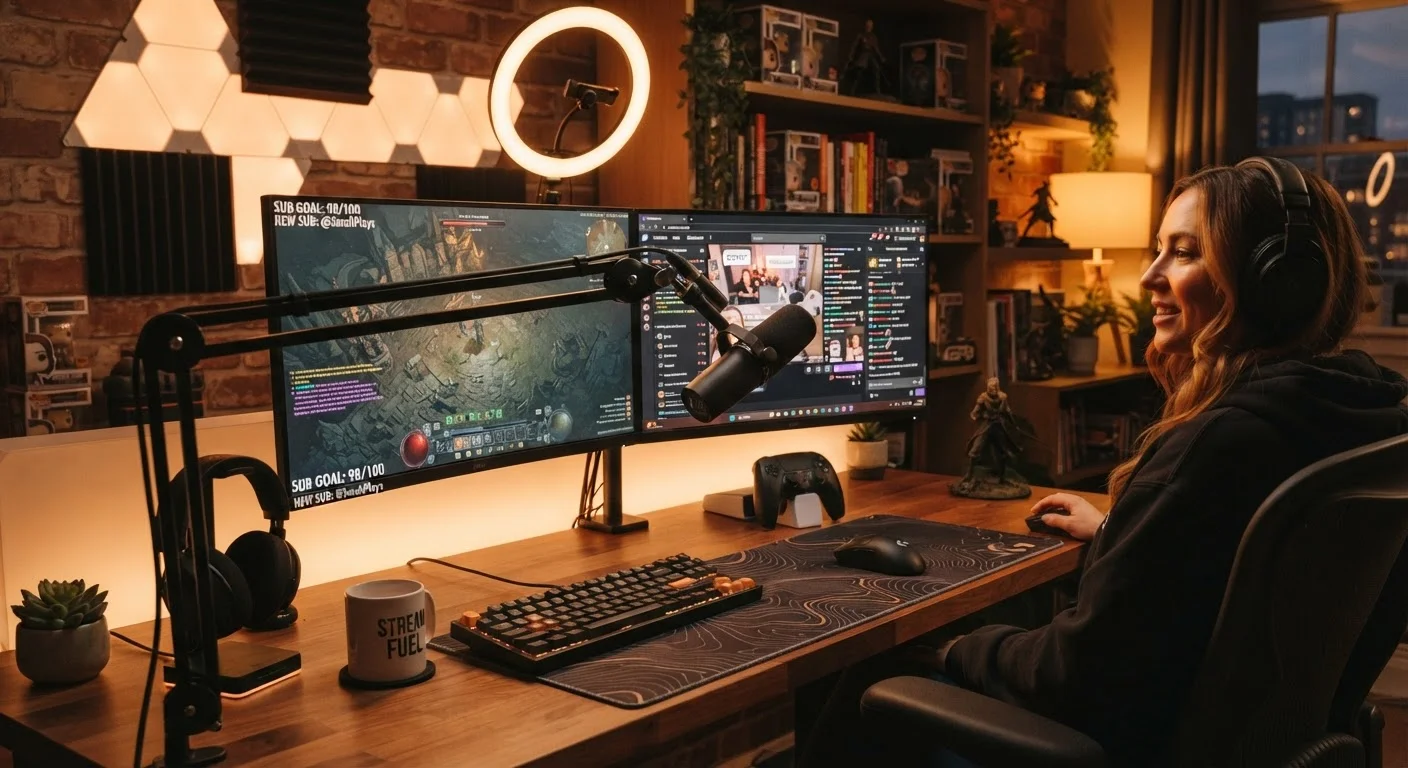
Photo credit: GadgetLite.net | All Things Tech
In this article
Watching others play games is now as popular as playing them. Explore how streaming and content creation became pillars of gaming culture.
Key Takeaways
- Watching others play games is now a mainstream form of entertainment, rivaling traditional media viewership.
- Let's Plays are recorded gameplay videos with commentary; live streams happen in real time with audience interaction.
- Twitch and YouTube Gaming are the dominant platforms, but TikTok and Facebook Gaming also have large communities.
- Content creators range from hobbyists to full-time professionals earning income through subscriptions and sponsorships.
- Gaming content creation has reshaped how games are marketed, discovered, and talked about.
Why Watching Games Became Its Own Phenomenon
If you've ever caught yourself watching someone else play a video game — whether on your phone at lunch or on your TV through a streaming app — you're part of a cultural shift that surprised even the gaming industry itself. Viewing gaming content has become a pastime in its own right, separate from playing games. It taps into the same instincts as watching sports: the drama of competition, the joy of shared reactions, and the comfort of community.
This second stage of gaming culture didn't appear overnight. It grew gradually as internet speeds improved and video platforms matured, giving players the tools to broadcast themselves to the world. Today, gaming content creation is woven into how new games are discovered, how communities form, and how gaming fits into broader entertainment. For a fuller look at how the gaming world itself evolved, see our timeline of gaming platforms.
~9M
Active streamers on Twitch monthly
Twitch's publicly reported data has consistently shown millions of unique broadcasters going live each month across all categories.
500hrs
Video uploaded to YouTube every minute
YouTube has cited this figure publicly; gaming content consistently ranks among the platform's most-watched categories globally.
1B+
Hours of gaming content watched on YouTube annually
YouTube has reported that gaming is one of its largest content verticals, with over a billion hours of gaming video viewed each year.
Let's Plays vs. Live Streams: What's the Difference?
Two formats dominate gaming content, and they offer pretty different experiences. Let's Plays are pre-recorded videos — a creator plays through a game and records their commentary, then edits and uploads the result. They tend to be polished, with clean audio and deliberate pacing. YouTube is the natural home for Let's Plays, and some series run hundreds of episodes covering an entire game from start to finish.
Live streams, by contrast, are unscripted and unedited. The streamer broadcasts in real time on platforms like Twitch, and viewers chat as the action unfolds. That live element creates genuine spontaneity — big wins, embarrassing fails, and real conversations between creator and audience. It's less predictable than a Let's Play, which is precisely the appeal.
New to Streaming? Start Small
You don't need a professional setup to start sharing your gameplay. Most modern consoles have a built-in share button that lets you go live to platforms like YouTube or Twitch in minutes. Start without a webcam, keep sessions short, and focus on genuinely enjoying the game — authentic enthusiasm is what audiences actually connect with.
Both formats have fueled communities where people who've never met feel like regulars at the same hangout. This community dimension is a big part of what gaming culture is all about.
Platforms, Creators, and the Creative Ecosystem
Twitch and YouTube Gaming are the two heavyweights, each with distinct cultures. Twitch leans into live interaction — its chat, emote language, and subscription model are built around real-time community. YouTube favors discoverability and archives, making it easy to find gameplay from years ago or binge an entire channel's library. TikTok has carved out space for short, punchy gaming clips that spread quickly among casual audiences.
Creators themselves span an enormous range. Some are solo hobbyists streaming late-night sessions to a small but loyal following. Others are full-time professionals with production teams, brand partnerships, and audiences in the millions. In between are countless part-time creators who simply enjoy sharing their passion. The barrier to entry is genuinely low — a decent microphone and free broadcasting software are enough to get started.
Gaming content creation also connects to the broader question of player-driven culture. For those curious about how players shape the games themselves, modding communities offer another fascinating lens.
How Content Creation Has Changed Gaming Itself
Gaming content doesn't just reflect gaming culture — it actively shapes it. When a streamer with a large following picks up an indie title, that game can go from obscurity to sold-out (or wishlisted-out) overnight. Publishers have noticed, and many now send early access codes to creators as a core part of their launch strategy. Word-of-mouth has always mattered in gaming; streaming turned it into something measurable and immediate.
The influence runs deeper than sales. Iconic moments from streams — a clutch win, a funny glitch, a genuine emotional reaction — become shared reference points for entire communities. These moments travel across social media, landing in front of people who've never watched a stream but still recognize the clip. Gaming content creation is, in that sense, a bridge between the gaming world and mainstream culture. If you're curious about where gaming communities gather in person to celebrate all of this, gaming conventions and events are worth exploring next.
Content Creation and Cloud Gaming Overlap
As cloud gaming services allow players to run games on remote servers, streaming gameplay is becoming easier than ever — no high-end PC required. This means more players can potentially become creators without expensive hardware upgrades. If you're curious about the technology behind this, our cloud gaming explainer breaks it down clearly.
Frequently Asked Questions

Author
Gaming Editorial Team
Gaming Editorial Team is the collective byline for our editorial team and contributor network. Articles published under this byline or an editorial pen name are researched, written, and reviewed according to our editorial standards for clarity, consistency, and independence before publication.
View all articles →