
Gaming Culture Decoded: What It Means and Why It Matters
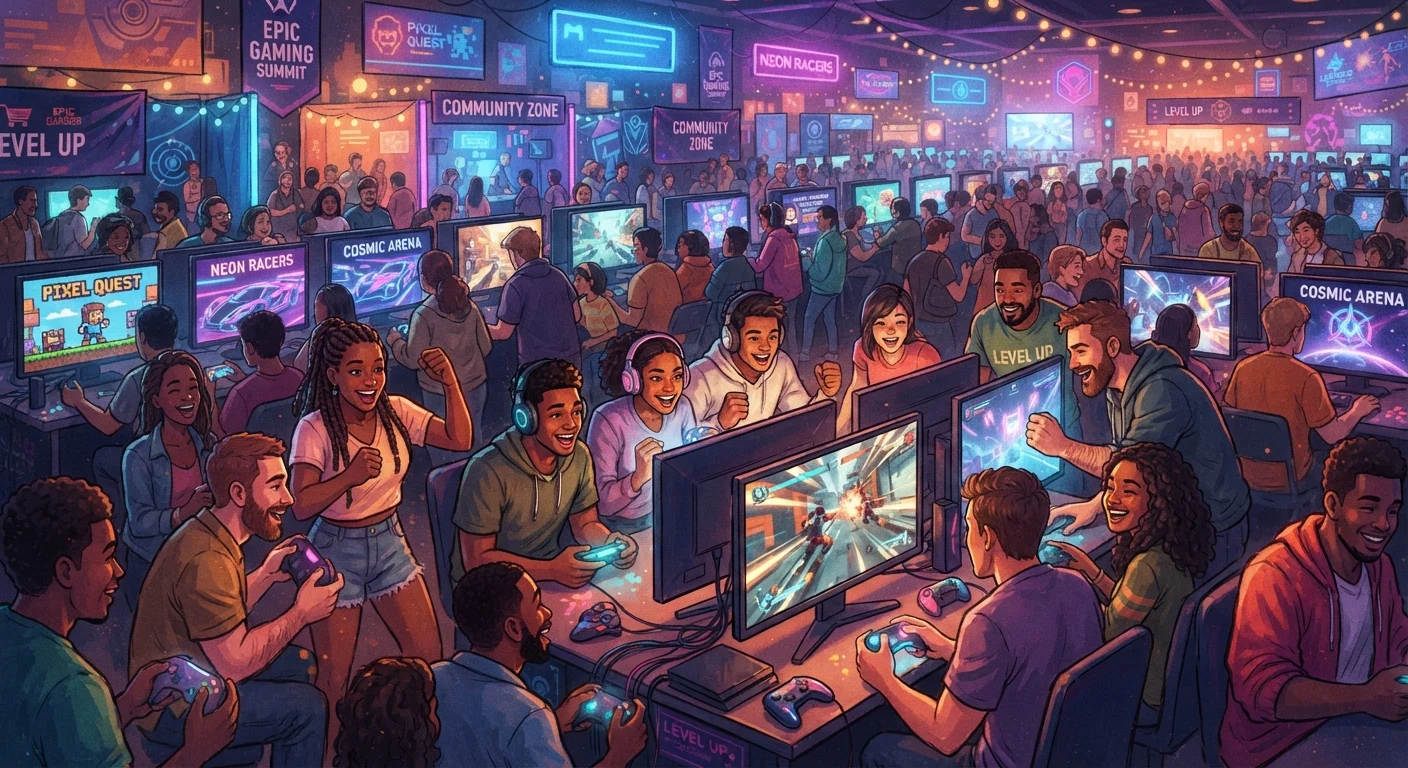
Photo credit: GadgetLite.net | All Things Tech
In this article
Gaming culture goes far beyond playing games. Explore its communities, shared language, and influence on mainstream entertainment and identity.
Key Takeaways
- Gaming culture is a broad, living community shaped by millions of players worldwide.
- Shared language, memes, and in-game traditions form its everyday fabric.
- Streaming and content creation have made gaming culture visible to non-players.
- Gaming increasingly influences movies, music, fashion, and mainstream entertainment.
- Anyone can participate — you don't need to be an expert gamer to belong.
More Than Just Playing Games
Ask someone what gaming is, and they'll likely picture a person alone with a controller. The reality is far richer. Gaming culture is a living, breathing community ecosystem built over decades — one that now touches fashion, film, music, language, and identity.
At its core, gaming culture is what happens around the games themselves. It's the friendships formed while raiding dungeons at midnight, the memes that spread after a beloved character does something unexpected, and the shared pride when an underdog esports team pulls off an upset. Understanding gaming culture means understanding why millions of people feel a genuine sense of home within it.
For newcomers, it can feel like walking into a party where everyone already knows each other. This guide is your friendly introduction to the key ideas — no prior gaming experience required.
The Language and Lore of Gaming Communities
Every culture has its own vocabulary, and gaming is no different. Terms like "GG" (short for "good game," said at the end of a match), "nerf" (when developers weaken an overpowered element), and "the meta" (the dominant strategies players use at any given time) started inside games and forums — and have since migrated into everyday speech.
Memes are another huge part of gaming culture's glue. Iconic moments from games — a surprise plot twist, a notoriously difficult boss fight, a game-breaking glitch — get turned into jokes that circulate for years. They function like cultural shorthand: if you get the reference, you're part of the conversation.
Gaming Culture Isn't One Thing
Gaming culture is actually a collection of many overlapping subcultures — competitive esports fans, cozy game enthusiasts, retro collectors, indie game advocates, and more. Each has its own tone and traditions. Finding the corner that fits you is part of the fun, and there's no single "right" way to participate.
Communities also rally around shared rituals, from annual replays of beloved titles to collaborative charity streams. These repeated events create a sense of history and continuity that strengthens community bonds over time.
How Streaming Made Gaming Culture Go Mainstream
One of the biggest shifts in gaming culture over the past decade has been the rise of watching games as entertainment. Platforms built around live gameplay have turned skilled or entertaining players into household names — and brought millions of non-players into gaming culture as fans rather than participants.
This is sometimes called gaming's "spectator sport" moment. Just as people watch professional basketball without playing it themselves, viewers tune in to watch a favorite streamer tackle a new release, react in real time, and build a community in the live chat. It's interactive, spontaneous, and genuinely social.
Streaming and content creation have become their own pillar of gaming culture — distinct from playing but deeply intertwined with it. A game's cultural footprint now often depends as much on how streamable it is as on how it reviews.
Start as a Spectator — It's Totally Valid
You don't have to pick up a controller to dip into gaming culture. Watching a streamer play through a story-driven game is a low-pressure way to discover what excites you. Many people find their favorite games — and communities — by watching others first.
Gaming's Fingerprints on Pop Culture
If you've noticed video game references showing up in your favorite TV shows, heard a pop star collaborate on a game soundtrack, or spotted gaming-inspired streetwear at a major fashion week, you've witnessed gaming culture's wider influence firsthand.
Game franchises now regularly spawn critically acclaimed film and television adaptations. Gaming terminology — "level up," "respawn," "side quest" — has entered everyday language as metaphor. The aesthetic sensibility of games, from pixel art to cyberpunk visuals, shapes graphic design, music videos, and digital art broadly.
3.3B+
Video game players worldwide
According to industry research firm Newzoo, the global gaming audience surpassed 3.3 billion players, underscoring gaming's massive cultural reach.
~40%
Gamers who also watch game streams
Multiple audience surveys have found that a large share of active players regularly consume gaming content as viewers, blurring the line between player and spectator.
Decades
Years of gaming cultural history
Gaming culture traces its roots to the arcade era of the late 1970s, meaning it carries over 40 years of shared history, references, and evolving traditions.
Gaming also intersects with identity in meaningful ways. For many players — particularly younger generations — the games they love, the communities they belong to, and the characters they connect with are as central to their self-image as music taste or fashion. Exploring gaming platforms is often the first step in finding which corner of gaming culture resonates most personally.
Whether you're drawn to the competitive intensity of esports, the creativity of indie games, the social energy of gaming conventions, or simply curious about the gear players use, gaming culture has a corner for you. The door is wide open.
Frequently Asked Questions

Author
Gaming Editorial Team
Gaming Editorial Team is the collective byline for our editorial team and contributor network. Articles published under this byline or an editorial pen name are researched, written, and reviewed according to our editorial standards for clarity, consistency, and independence before publication.
View all articles →