
Modding Communities: When Players Become Creators
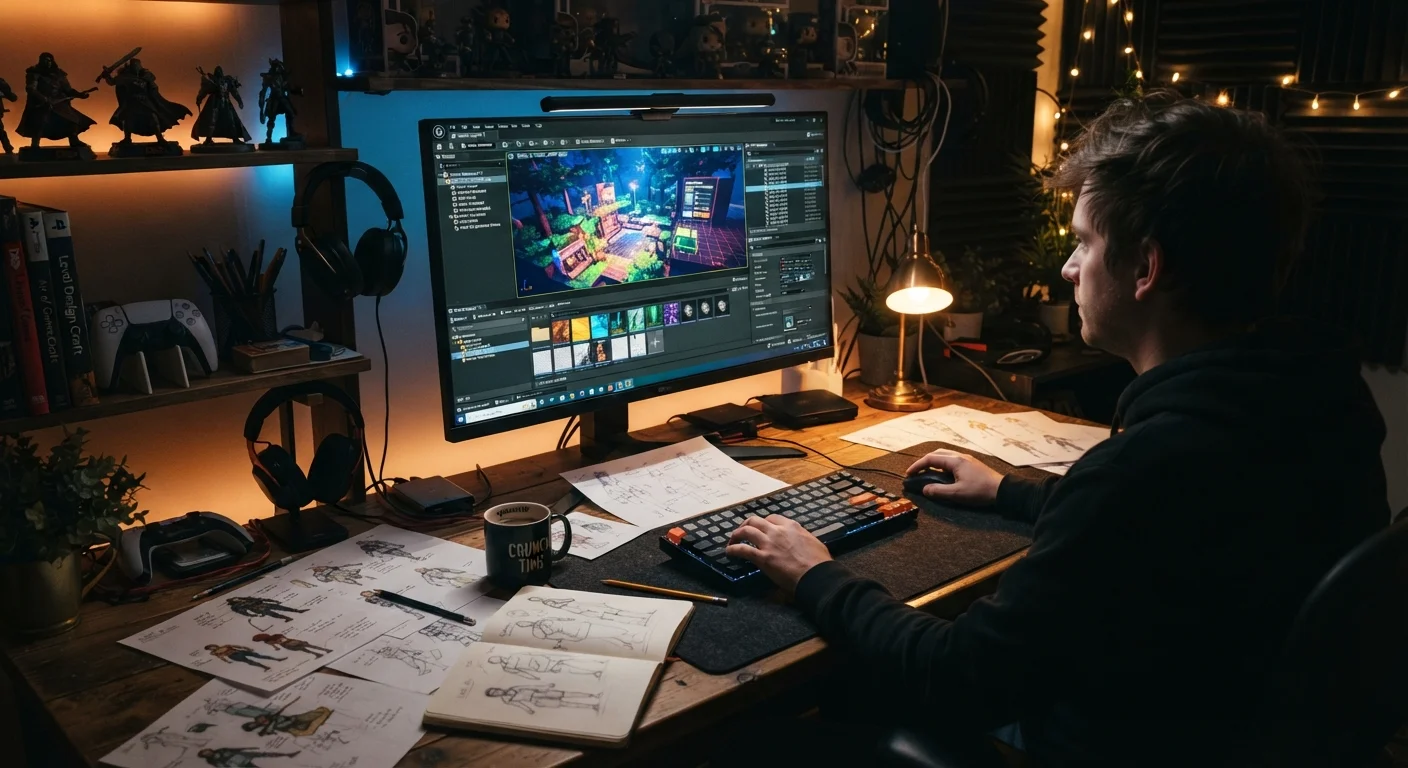
Photo credit: GadgetLite.net | All Things Tech
In this article
Game modding lets players reshape the games they love. Explore how modding works, why it thrives, and its surprising influence on the industry.
Key Takeaways
- Modding is the practice of players creatively altering or extending video games beyond their original design.
- Thriving modding communities form around popular games and share their work through platforms like Nexus Mods and Steam Workshop.
- Some of gaming's biggest titles — including Counter-Strike and Dota 2 — began as player-made mods.
- Developers increasingly embrace modding as a way to extend a game's lifespan and deepen community loyalty.
- Modding can be a genuine entry point into careers in game design, programming, and 3D art.
What Modding Actually Looks Like
Imagine downloading a fantasy RPG, finishing the story, and thinking: What if this world had a completely different magic system? A modder doesn't just daydream — they open an editing tool and build it. Mods range from tiny quality-of-life tweaks (removing a frustrating gameplay element) to sweeping overhauls that practically create a new game inside the old one.
The scope is genuinely staggering. Some modders reskin characters with new looks. Others rewrite entire quest lines, compose original music, or introduce mechanics the developers never imagined. Bethesda's The Elder Scrolls V: Skyrim is a legendary example — years after release, the modding community had added thousands of quests, locations, and systems, effectively giving the game several lifespans.
Why Modding Communities Thrive
Modding isn't just a solo hobby — it's deeply social. Communities form on forums, Discord servers, and dedicated platforms like Nexus Mods or the Steam Workshop, where creators post their work, trade feedback, and solve technical puzzles together. That collaborative energy is a huge part of what makes modding stick. It mirrors the broader dynamics of how gaming communities form and sustain themselves.
Motivation varies widely. Some modders want to fix things that bothered them. Others want to learn game development without a formal education. Many simply love a game so much they can't stop living inside it. The result is a creative ecosystem where skill levels mix freely — veterans mentor newcomers, and fresh ideas constantly push the community forward.
Starting Your First Mod? Start Small
If you're curious about modding, pick a game with an active community and official modding tools — it dramatically lowers the learning curve. Try something manageable first, like changing a texture or adjusting a gameplay value, before attempting complex additions. Most modding communities have dedicated beginner channels where questions are genuinely welcomed.
Modding's Outsized Influence on the Industry
Here's the part that surprises a lot of newcomers: some of the most-played games in the world started as mods. Counter-Strike began as a fan modification of Half-Life. Dota 2 traces its roots to a Warcraft III mod called Defense of the Ancients. Team Fortress 2 evolved from a Quake mod. These weren't accidents — they were player creativity so compelling that the industry took notice.
10,000+
Mods available for Skyrim on Nexus Mods alone
Nexus Mods has catalogued over 70,000 files for The Elder Scrolls V: Skyrim across its years of active community support.
2003
Year Defense of the Ancients (Dota) mod launched
The original DotA mod for Warcraft III eventually inspired an entire game genre — the MOBA (multiplayer online battle arena) — now one of the most-played categories worldwide.
Developers have responded by building modding support directly into their games. Bethesda's Creation Kit, the Valve Steam Workshop, and similar tools signal a strategic shift: studios increasingly see modding communities as partners in extending a game's relevance, not just fans tinkering in the margins. That relationship is part of the larger story of what gaming culture is and why it matters.
A Gateway to Game Development
For many players, modding is the first real step toward making games professionally. Learning to use a level editor builds spatial design instincts. Scripting mod logic teaches programming fundamentals. Creating textures or 3D assets builds a portfolio. Unlike other creative industries, gaming has a visible, documented pipeline from fan project to professional credit — and modding sits right at the start of it.
That creative energy also spills into other forms of player expression. While modders build inside game worlds, other creators share their experiences through streaming and video — another facet of gaming's thriving content creation culture. Both represent players reshaping how games are experienced, just through different tools.
Modding and Game Preservation
Modding communities also play an unexpected role in game preservation. When official servers shut down or older games stop receiving patches, dedicated modders often step in to maintain functionality, fix bugs, and keep beloved titles playable on modern hardware. This grassroots preservation work keeps gaming history accessible long after publishers have moved on.
Frequently Asked Questions

Author
Gaming Editorial Team
Gaming Editorial Team is the collective byline for our editorial team and contributor network. Articles published under this byline or an editorial pen name are researched, written, and reviewed according to our editorial standards for clarity, consistency, and independence before publication.
View all articles →