
The Unwritten Rules of Online Gaming Etiquette
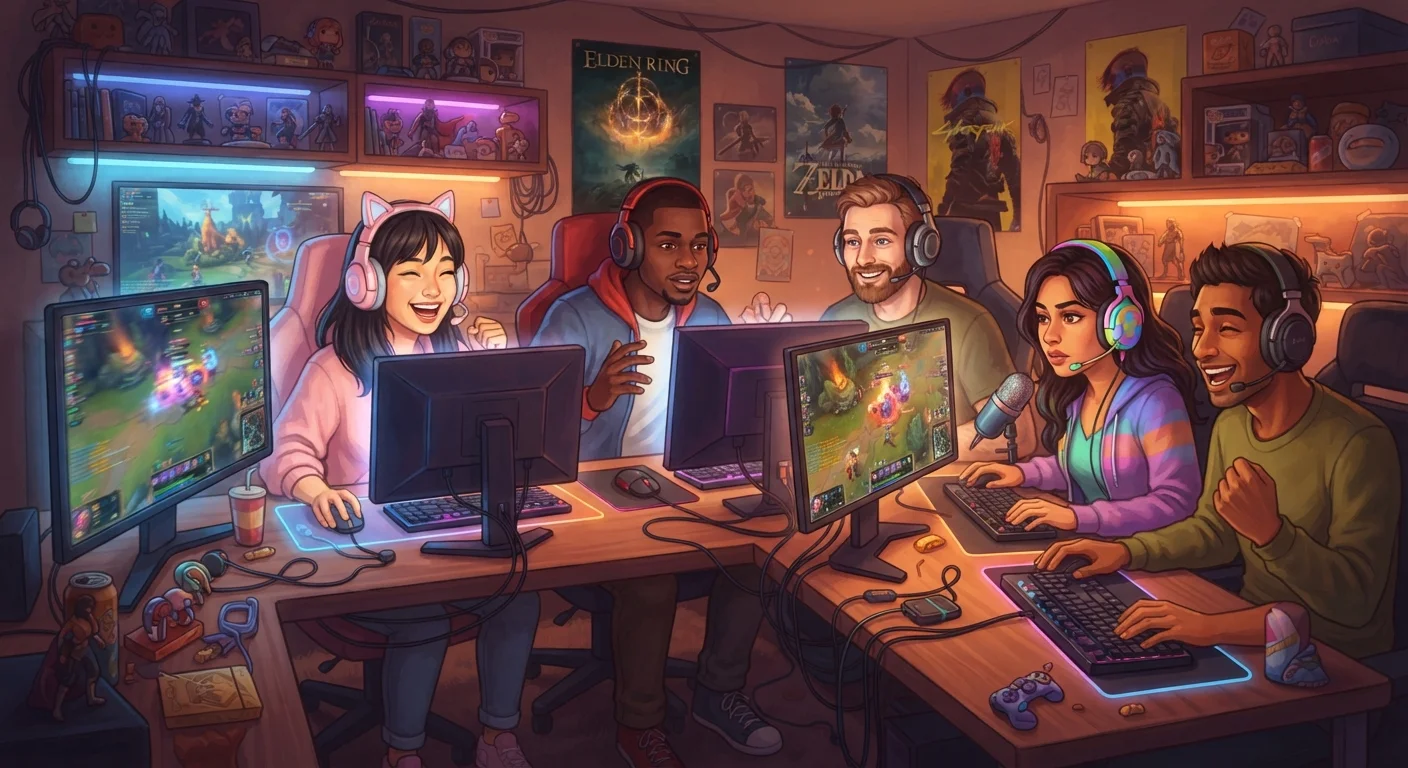
Photo credit: GadgetLite.net | All Things Tech
In this article
Every online game has its own social norms. Understanding community expectations helps newcomers play alongside others without friction.
Key Takeaways
- Saying 'GG' (good game) at the end of a match is a near-universal sign of respect across online games.
- Trash talk and griefing are not the same thing — deliberate harassment breaks community norms everywhere.
- Learning a game's basic mechanics before joining competitive modes earns goodwill from teammates.
- Voice and text chat etiquette can make or break the experience for an entire lobby.
Why Etiquette Exists in Online Gaming
Online gaming drops millions of strangers into shared virtual spaces, and without some agreed-upon social norms, things can unravel fast. These unwritten rules aren't enforced by any rulebook — they're upheld by the community itself. Understanding them doesn't just make you a better teammate; it makes the whole experience more enjoyable for everyone in the lobby.
Gaming culture is rich with its own traditions, and etiquette is a cornerstone of how players relate to one another. Think of it as the handshake of the gaming world — a silent agreement that everyone deserves a fair, fun session.
“The culture of a game is built by its players just as much as its developers. How you treat the people you play with shapes the community everyone else has to live in.”
— Jane McGonigal, Game designer and author focused on the social impact of gaming
Core Practices Every New Player Should Know
Whether you're jumping into a battle royale or a co-op RPG for the first time, these practices will help you fit in, earn respect, and avoid unintentionally frustrating the people around you.
Always acknowledge a good match with 'GG' in chat.
Typing 'GG' (good game) after a match — win or lose — is one of gaming's most universal gestures of sportsmanship. It signals respect for everyone's time and effort, and keeps the mood positive even after a tough loss.
Learn the basics before entering competitive or ranked modes.
Jumping into competitive play without understanding core mechanics puts your entire team at a disadvantage. Most online games offer practice modes, tutorials, or casual queues specifically so newcomers can get comfortable first.
Avoid excessive trash talk and never deliberately grief other players.
Playful banter is part of gaming's culture, but there's a real line between light ribbing and targeted harassment. Griefing — intentionally sabotaging your own team or ruining another player's experience — is almost universally condemned and often results in account penalties.
Communicate clearly and constructively with teammates.
Effective communication in team games dramatically changes outcomes. Callouts, pings, and helpful suggestions beat silence or negativity every time — even a simple 'I'll cover this area' goes a long way.
Respect others' playstyles, especially in casual or social game modes.
Not every player is in a session to optimize or compete. Some are exploring, role-playing, or simply unwinding. Pressuring others to play 'seriously' in casual contexts can turn them off gaming entirely.
Quick Actions You Can Take Right Now
Good etiquette doesn't require weeks of experience. A few simple habits, adopted from your very first session, signal to other players that you're a welcome presence in any lobby. Learning common gaming slang is one fast way to reduce misunderstandings in chat.
74%
Gamers who encountered toxic behavior online
According to the Anti-Defamation League's 2019 'Free to Play? Hate, Harassment, and Positive Social Experiences in Online Games' report, 74% of adult online gamers experienced some form of harassment.
53%
Players who stopped playing due to harassment
The same ADL report found that 53% of online gamers said they stopped playing a specific game at some point due to harassment from other players.
When Communities Reinforce the Rules
Online gaming communities often develop their own culture of accountability. Players who consistently break etiquette norms get reported, muted, or simply excluded from groups over time. Most major platforms have built-in reporting tools, and community moderators in forums and Discord servers actively shape the social climate.
Multiplayer games carry higher social stakes than single-player titles precisely because your behavior directly affects real people in real time. Treat that as a responsibility — and an opportunity to be someone others are glad to have on their team.
Platform Rules vs. Community Norms
It's worth knowing the difference between platform-level rules (enforced by the developer through bans or penalties) and community etiquette (upheld socially by players). Violating platform rules can get your account suspended. Violating community etiquette may not trigger an official penalty, but it will affect how others treat you in-game. Both matter for a good experience.

Author
Gaming Editorial Team
Gaming Editorial Team is the collective byline for our editorial team and contributor network. Articles published under this byline or an editorial pen name are researched, written, and reviewed according to our editorial standards for clarity, consistency, and independence before publication.
View all articles →