
When a Mid-Range Phone Outperforms a Flagship for Most People
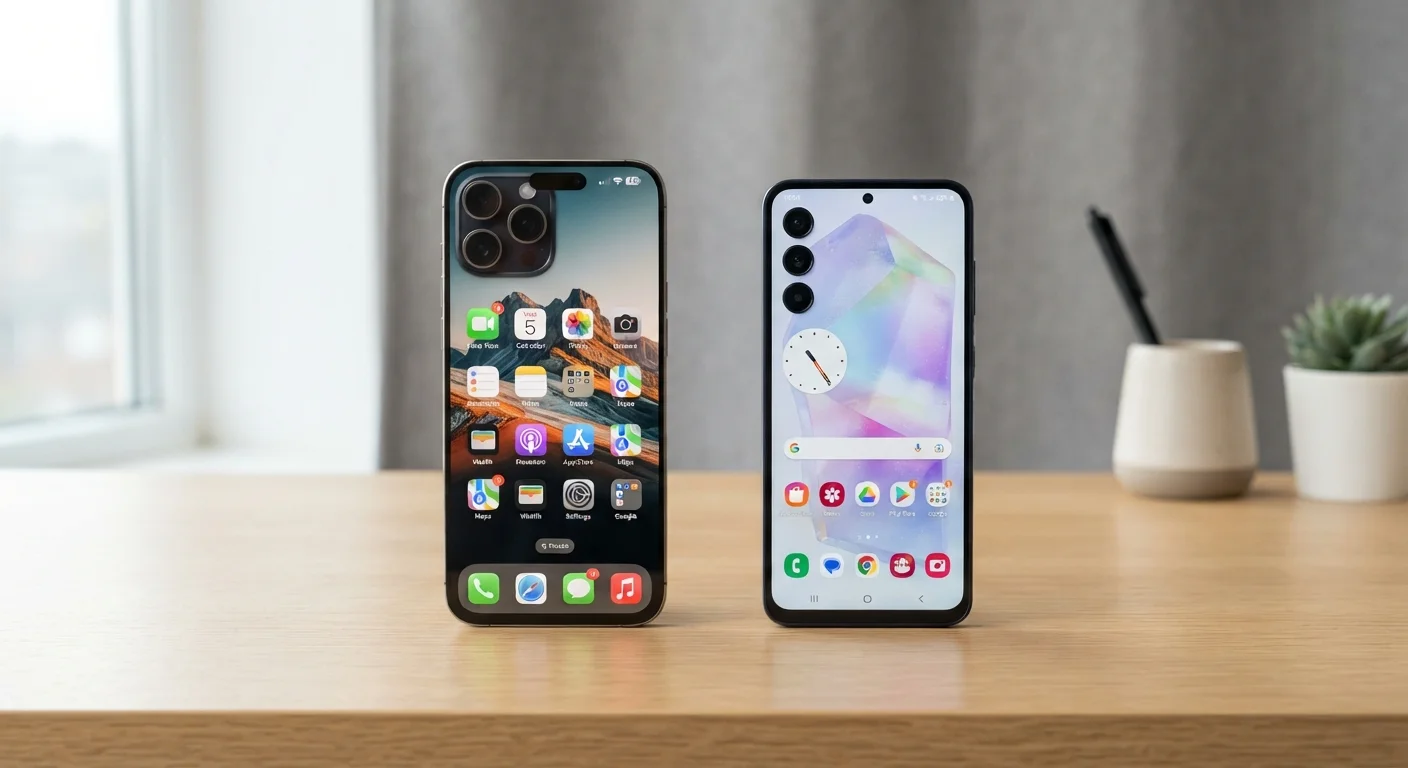
Photo credit: GadgetLite.net | All Things Tech
In this article
Flagship phones carry flagship prices, but for many everyday tasks the performance gap is smaller than marketing suggests. Here's the honest picture.
Key Takeaways
- For everyday tasks like browsing, streaming, and social media, mid-range phones often feel indistinguishable from flagships.
- Flagship advantages are most meaningful for pro-level photography, sustained gaming, and cutting-edge connectivity features.
- Software support timelines are narrowing — some mid-range models now receive multi-year updates comparable to flagships.
- The real performance gap lives in edge cases, not typical daily use — knowing your habits helps you choose wisely.
The Spec Sheet Gap vs. the Real-World Gap
Flagship phones dominate headlines with processors that benchmark 30–40% faster than mid-range chips. But benchmarks measure peak performance under controlled conditions — not what happens when you're scrolling Instagram, watching YouTube, or replying to emails. For those tasks, a mid-range chip from a major manufacturer is fast enough that most people simply won't notice the difference.
The gap that does matter day-to-day tends to appear in two places: how long a phone maintains peak speed under load (think extended gaming or video editing), and how gracefully it handles many apps running simultaneously. If neither describes your typical use, that benchmark delta shrinks to near-invisible in practice. What the spec sheet won't tell you explains exactly why raw numbers don't translate cleanly to daily experience.
| Mid-Range Phone | Flagship Phone | |
|---|---|---|
| Everyday app performance | Very smooth for typical tasks | Marginally faster, rarely noticeable |
| Camera quality | Strong in good light, limited zoom | Excels in low light and telephoto |
| Sustained gaming performance | May throttle under long load | Maintains peak speeds longer |
| Software update commitment | 3–5 years on leading models | 4–7 years on leading models |
| Niche hardware features | Basic connectivity, standard sensors | Satellite messaging, UWB, LiDAR |
| Typical price range | $300–$500 | $800–$1,300+ |
Where Flagships Genuinely Pull Ahead
The clearest flagship advantage is computational photography — the combination of advanced sensors, larger apertures, and sophisticated image-processing software. Low-light shots, optical zoom beyond 3x, and video stabilization at 4K are areas where mid-range hardware still trails meaningfully. If your phone doubles as your primary camera for travel or events, those differences are real and visible.
Sustained performance is the second legitimate gap. Flagships typically use more robust cooling systems, which means they maintain high processing speeds during extended tasks without slowing down — a condition called thermal throttling. For casual users, this rarely surfaces. For long gaming sessions or rendering video clips, it matters. See our overview of what's packed into a modern flagship for a plain-language tour of those premium hardware layers.
Match the Phone to Your Camera Habits
Before assuming you need a flagship camera system, review your last 100 photos. If most were taken indoors in decent light or outdoors in daylight, a mid-range camera will likely satisfy you. The low-light and zoom advantages of flagship sensors become meaningful primarily for travel photography, events, or intentional creative shooting — not everyday snapshots.
Software Support: The Overlooked Equalizer
A phone's lifespan increasingly depends on how long its manufacturer commits to software updates — both security patches and new OS versions. Historically, flagships received longer support windows, making them the smarter long-term investment. That gap has been closing. Several mid-range lines now carry commitments of four or more years of OS updates, which directly affects how long your device stays secure and compatible with new apps.
This shift meaningfully changes the value equation. A mid-range phone bought today with a strong update commitment may serve you just as reliably through its useful life as a flagship purchased at twice the price. If longevity and security are priorities, update policy should rank alongside chip speed when you're comparing options. The real differences between phone tiers breaks down exactly what you gain and lose at each price point.
~40%
Typical benchmark gap between tiers
Flagship chips often score 30–40% higher in synthetic benchmarks, but those gains rarely translate to proportional real-world speed differences for common tasks.
4+ years
Software support on top mid-range lines
Several leading mid-range lines now carry manufacturer commitments of four or more OS updates, narrowing a gap that once strongly favored flagships.
How to Know Which Tier Actually Fits You
The most useful question isn't "which phone is better?" — it's "which phone is better for how I actually use a phone?" Consider your honest habits before price. If your camera roll is mostly well-lit casual snapshots and your heaviest app is a streaming service, a mid-range device covers your needs without meaningful sacrifice.
Where flagship hardware pays off is for users who lean on mobile photography in varied lighting, play graphics-intensive games for extended sessions, or want the latest connectivity features like satellite messaging or advanced ultra-wideband (UWB) positioning. For everyone else, the performance ceiling of a modern mid-range phone is higher than most daily tasks ever reach. Start with your actual use patterns, not the spec sheet. A grounded introduction to smartphone features is a helpful foundation if you want to assess each feature category against your own needs before committing.

Author
Gadgets Editorial Team
Gadgets Editorial Team is the collective byline for our editorial team and contributor network. Articles published under this byline or an editorial pen name are researched, written, and reviewed according to our editorial standards for clarity, consistency, and independence before publication.
View all articles →