
Home Automation Myths That Keep People From Getting Started
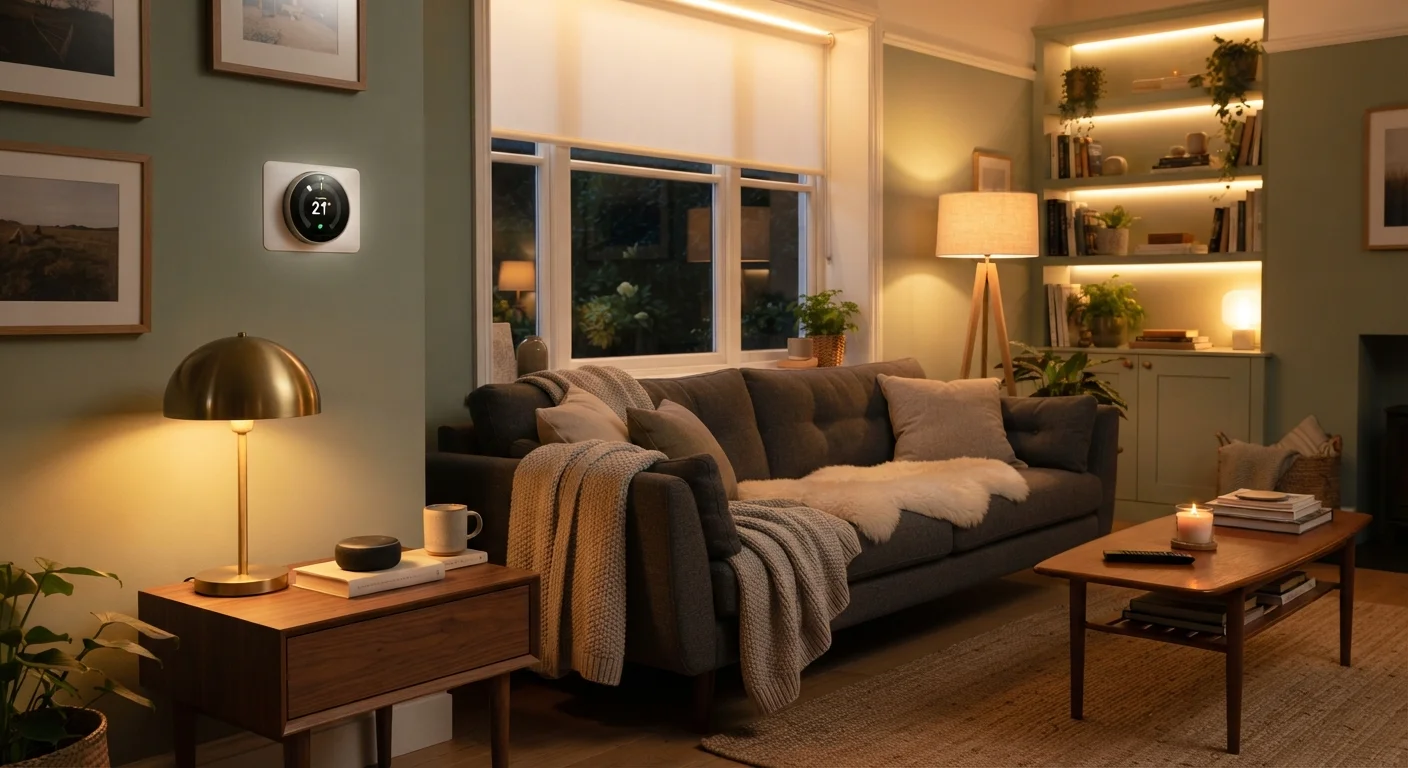
Photo credit: GadgetLite.net | All Things Tech
Think smart home tech is too complicated, too expensive, or only for tech experts? Many of those assumptions don't hold up to scrutiny.
Key Takeaways
- You don't need to automate your entire home at once — single-device starting points are common and practical.
- Many smart home devices work without any programming or technical knowledge.
- Most ecosystems now support gradual, mix-and-match setups rather than expensive all-in-one installations.
- Privacy risks are real but manageable with standard security practices most users already apply.
- Renters and budget-conscious users have more options today than ever before.
Why These Myths Persist — and Why They Matter
Home automation has a reputation problem. Ask someone who hasn't tried it why they haven't, and you'll often hear the same handful of objections: it's complicated, it's expensive, everything has to match, or it's a privacy minefield. Some of these concerns have historical roots — early smart home products were finicky, expensive, and ecosystem-locked. But the technology has moved on considerably, and many of the assumptions people carry haven't caught up.
That gap matters. Households that dismiss smart home tech based on outdated assumptions miss out on genuinely useful tools — better energy management, improved convenience, and, for some, real accessibility benefits. The goal here isn't to oversell the category; there are real tradeoffs worth understanding, as a balanced assessment of smart home convenience versus complexity makes clear. But clearing away myths is the first step to making an informed decision.
Myth
You have to automate everything at once, or it's not worth starting.
Fact
A single smart device — a bulb, a plug, or a thermostat — is a complete and useful starting point on its own.
The all-or-nothing mindset stops more people than any technical barrier. Smart home technology is designed to be additive. A single smart plug that cuts standby power to your TV, or a smart bulb you can dim from the couch, delivers real everyday value without requiring anything else. You can expand gradually, at your own pace, as you discover what genuinely helps your routine.
Myth
Smart home tech requires serious technical skills or IT knowledge.
Fact
Most consumer smart home devices are designed for straightforward setup, typically involving a smartphone app and a Wi-Fi password.
Modern smart home products are consumer goods, not IT infrastructure. The setup process for the majority of popular devices involves plugging something in, downloading an app, and following on-screen prompts. No coding, no networking expertise, and no manual configuration are required for most entry-level products. Understanding what smart devices actually do and how they connect can make the process feel even less daunting before you begin.
Myth
Smart home devices from different brands don't work together.
Fact
Interoperability has improved dramatically, with standards like Matter enabling cross-brand compatibility across many device categories.
For years, fragmented ecosystems were a genuine frustration. That landscape has shifted. The Matter standard — backed by major platform developers and device manufacturers — was created specifically to allow compatible devices from different brands to communicate reliably. While not every product on the market supports it yet, the trend toward open compatibility is clear and accelerating. A comprehensive overview of home automation concepts covers how these ecosystems fit together in practice.
Myth
Smart home devices are always listening and recording everything you say.
Fact
Voice-activated devices use a local wake-word trigger; audio is not continuously transmitted to remote servers in normal operation.
This concern is understandable but frequently overstated. Devices with voice assistants use on-device processing to listen only for a specific activation phrase. Only after that phrase is detected does audio get sent for processing. Users also have options: muting microphones physically, reviewing and deleting stored recordings, and adjusting privacy settings within companion apps. Applying the same caution you'd use with any connected device — strong passwords, regular software updates — goes a long way. For a wider look at connected device security, home network guidance is a useful reference.
Myth
Smart home tech is too expensive for average households.
Fact
Entry-level smart devices now start at price points comparable to standard replacements, and a minimal setup requires only one or two items.
The price of connected devices has fallen substantially as the category has matured. Smart bulbs, plugs, and basic sensors are widely available at modest price points, and evidence suggests that devices like smart thermostats can reduce heating and cooling energy use meaningfully over time. Research on which smart home devices genuinely save energy provides a grounded look at where the savings are realistic.
Myth
Renters can't use smart home devices because they can't modify the property.
Fact
Many smart home products require zero installation and are fully portable, making them well-suited to rental situations.
Smart plugs, portable smart speakers, battery-powered sensors, and wireless bulbs attach to nothing structural and leave no marks. Even some smart locks and video doorbells are designed for renter-friendly installation. If you're concerned about compatibility or where to start, a practical first smart home guide for beginners walks through logical first steps without assuming homeownership.
Making a Confident First Move
The most common advice from people who've successfully built a smart home setup — however modest — is to start with a single device that solves an actual problem in your daily routine. Not a device because it's new, not a device because a friend recommended it, but one that addresses something you find genuinely inconvenient or wasteful.
~57%
U.S. households with at least one smart home device
According to Statista estimates from recent years, more than half of U.S. households already own at least one connected home device, reflecting how mainstream the category has become.
10–15%
Potential heating and cooling savings with a smart thermostat
Independent studies and manufacturer data suggest smart thermostats can reduce HVAC energy use by roughly 10–15%, though results vary by household behavior and home size.
From there, the ecosystem tends to grow organically. Each addition reveals what would make the next step useful. That iterative approach sidesteps both the overwhelm of planning a whole-home setup and the disappointment of buying things that don't get used. If you're uncertain about where Wi-Fi fits in — since most devices depend on a reliable home network — common Wi-Fi myths worth clearing up first is worth reading before you buy. And for a structured overview of the full landscape, the Home Tech Essentials hub is a practical place to explore further.
Start Small, but Start Secure
Whatever device you choose first, take five minutes to change the default password, enable two-factor authentication if the app supports it, and keep the firmware updated. Connected devices are only as secure as the network and account practices around them. These basic steps apply to every device you add — and they're easy to build into a habit from day one.

Author
Electronics Editorial Team
Electronics Editorial Team is the collective byline for our editorial team and contributor network. Articles published under this byline or an editorial pen name are researched, written, and reviewed according to our editorial standards for clarity, consistency, and independence before publication.
View all articles →