
Why a Higher Megapixel Count Doesn't Mean Better Photos
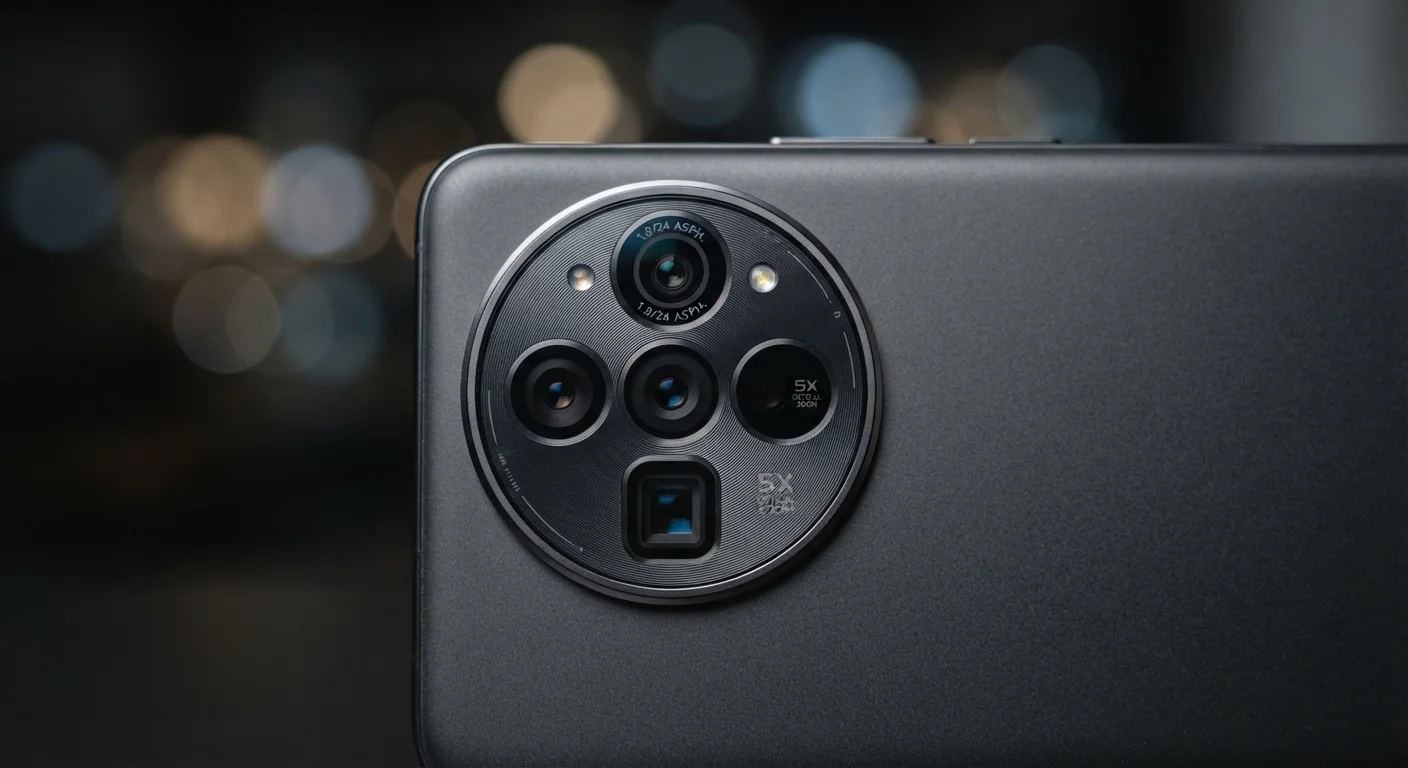
Photo credit: GadgetLite.net | All Things Tech
In this article
One of the most persistent myths in smartphone marketing is that more megapixels equals sharper pictures. The reality is more complicated.
Key Takeaways
- Megapixel count measures resolution only — not color accuracy, dynamic range, or low-light performance.
- Sensor size, pixel size, and image processing software have more influence on photo quality than megapixels alone.
- Pixel binning lets cameras combine multiple pixels into one for better low-light shots, often reducing effective resolution.
- A 12MP camera with a large sensor frequently outperforms a 200MP camera with a small sensor in real-world use.
- Marketing megapixel numbers to sell cameras is a decades-old tactic that predates smartphones.
The Spec That Sells — But Doesn't Tell the Whole Story
Every phone launch season brings a new megapixel milestone. First it was 48MP, then 108MP, and now sensors exceeding 200MP appear in mid-range devices. The number grows because it is easy to market — bigger is better is a simple message. But the relationship between megapixel count and photograph quality is far more complicated than any product page suggests.
Understanding why requires a quick look at what a megapixel actually is. One megapixel equals one million individual pixels in the final image. More pixels mean a larger image file and more detail available when printing at large sizes or cropping heavily. That part is true. The problem is that pixel count says nothing about how well each pixel captures light, color, or contrast — which is what most people actually mean when they say a photo looks good.
Myth
A phone with 200 megapixels takes sharper, better photos than one with 12 megapixels.
Fact
Megapixels measure pixel count, not image quality. Sensor size, optics, and processing software determine the actual result.
Pixel count and image quality are related concepts, but they are not the same thing. A 200MP sensor crammed into a small phone camera module must fit each individual pixel into a very tiny area. Smaller pixels capture less light, which introduces noise — the grainy, washed-out look common in low-light shots. A 12MP sensor with larger pixels and more physical surface area can capture far more light per pixel, producing cleaner, more accurate images in the same conditions.
Myth
More megapixels means you can always zoom in and still see fine detail.
Fact
Digital zoom quality depends on the optical zoom hardware and sensor quality, not raw pixel count.
Cropping into a high-resolution image does preserve more detail than cropping a lower-resolution one — to a point. But once you exceed the optical zoom range of the lens, you are relying on digital interpolation regardless of megapixel count. Image processing algorithms and the quality of the underlying image data (which depends on sensor size and optics) determine the final zoomed result. A sharp 12MP image can outperform a noisy 50MP image when both are cropped to the same output size.
Myth
Pixel binning is a workaround for weak cameras.
Fact
Pixel binning is a deliberate engineering choice that often produces better real-world photos than shooting at maximum resolution.
Pixel binning combines information from several adjacent pixels into a single output pixel. The result is a lower final resolution but significantly improved light sensitivity and reduced noise. Many high-end camera phones default to a binned mode — for example, shooting 12MP output from a 48MP sensor — precisely because the binned image is cleaner for typical use. This is not a limitation; it is the intended behavior. Shooting at maximum resolution is mainly useful for large-format prints or aggressive post-processing crops.
Myth
Camera software doesn't matter much — hardware specs are what count.
Fact
Computational photography — the software processing applied after the shutter fires — often determines the visible difference between two cameras more than hardware specs do.
Modern smartphone cameras do not simply record what the sensor sees. They apply multi-frame processing, HDR merging, noise reduction, and AI-based scene recognition in milliseconds. Two phones with identical sensor specs but different software stacks can produce noticeably different images. This is why spec sheets tell an incomplete story — the software layer is rarely quantified but is critical to real-world results.
Myth
This megapixel myth only applies to smartphones.
Fact
The same principle applies across digital cameras and, by analogy, other hardware specs — more numbers don't always mean better performance.
The megapixel marketing race started in the early 2000s with point-and-shoot cameras, where manufacturers used pixel counts as a simple selling point while quietly shrinking sensor sizes to keep costs down. The pattern repeated itself in the smartphone era. It is also visible in other product categories: mouse DPI is a similar story in gaming, where a higher number sounds impressive but the real-world impact depends on far more nuanced factors.
What Actually Determines Photo Quality
Three factors consistently matter more than megapixel count in everyday photography: sensor size, pixel size, and image processing.
Sensor size determines how much light the camera can physically gather. A physically larger sensor has more surface area, which translates directly to better low-light performance and more natural background blur (bokeh). Phone manufacturers often advertise sensor dimensions in fractions of an inch — a larger fraction generally means a better sensor, independent of megapixel count.
Pixel size is closely related. When manufacturers pack more megapixels onto the same sensor area, each pixel shrinks. Smaller pixels gather less light and are more prone to noise. This is the fundamental trade-off that high-MP sensors on small phone modules face.
Image processing is where modern phones do much of their heavy lifting. Even with default settings, a phone's computational photography pipeline — the software that processes raw sensor data into a finished image — can dramatically affect sharpness, color accuracy, and dynamic range (the range of brightness levels captured in a single shot).
Megapixels Measure One Thing Only
A megapixel count tells you how many millions of pixels an image contains — nothing more. It says nothing about color fidelity, dynamic range, noise levels, or how the camera handles difficult lighting. Treating megapixels as a quality score leads to real purchasing mistakes.
The same logic applies across hardware categories. Just as RAM figures don't tell the full performance story, megapixel counts are one data point in a much larger picture.
High-MP Shots Eat Storage Fast
Phones advertising 100MP+ camera modes produce image files that can exceed 20–30MB per shot. If you routinely shoot in maximum resolution, you may burn through storage and backup allowances far faster than you expect. Check whether the phone's default shooting mode actually uses full resolution or a binned lower setting.
When evaluating a phone camera, look for real-world sample images shot in varied conditions — daylight, indoors, and low light. That evidence is more reliable than any single spec number. For a deeper look at what other numbers on a phone's spec sheet actually mean, see our breakdown of what spec sheets leave out.

Author
Releases Editorial Team
Releases Editorial Team is the collective byline for our editorial team and contributor network. Articles published under this byline or an editorial pen name are researched, written, and reviewed according to our editorial standards for clarity, consistency, and independence before publication.
View all articles →