
The Landscape of Competitive Gaming: A Beginner's Overview of Esports
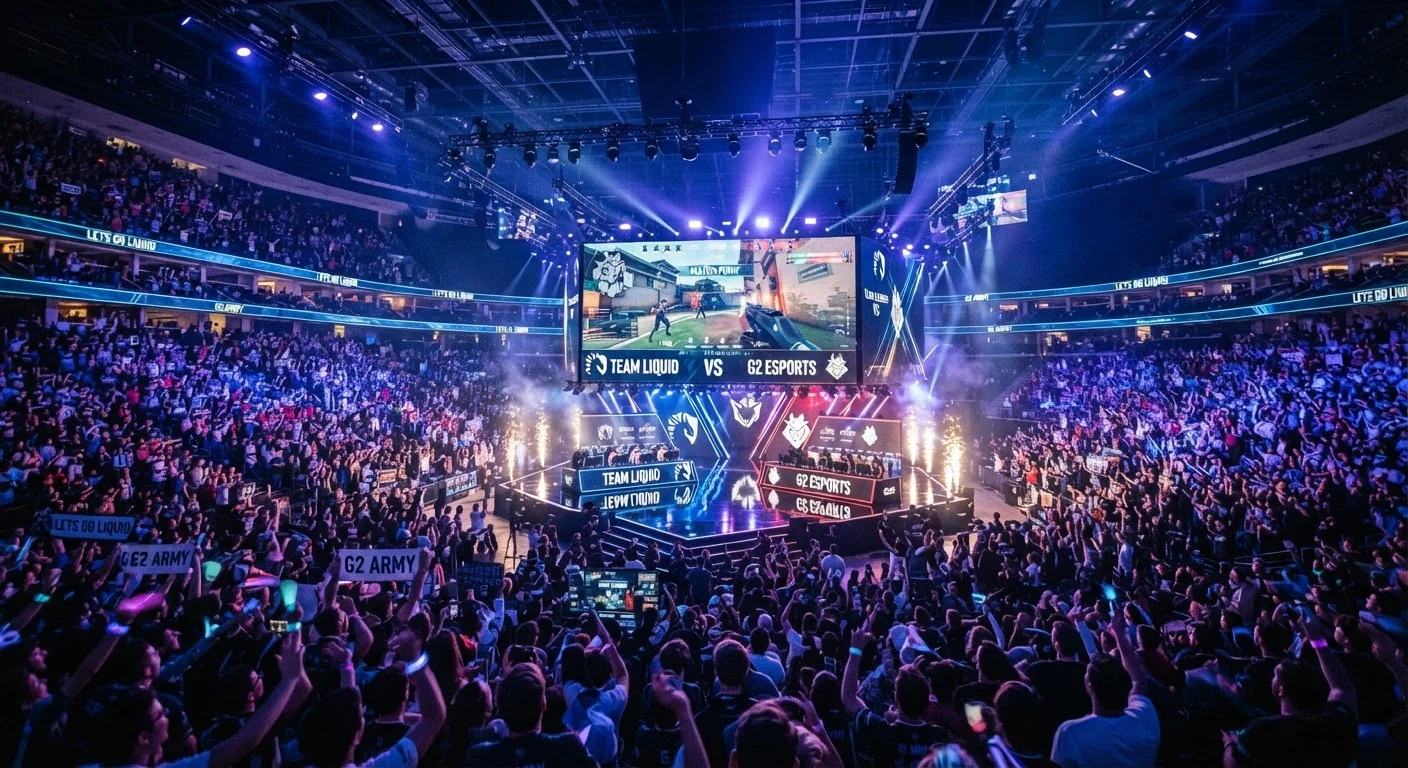
Photo credit: GadgetLite.net | All Things Tech
In this article
Esports involves professional players, leagues, and millions of viewers. Here's an accessible introduction to how the competitive scene is structured.
Key Takeaways
- Esports is organized competitive video gaming with professional players, teams, and prize pools.
- The scene is structured in tiers — from open qualifiers all the way up to international championships.
- Popular titles span multiple genres, including battle royale, strategy, and sports simulations.
- You can follow esports for free through streaming platforms without owning or playing the games.
- Esports culture has its own vocabulary, community norms, and content ecosystem.
What Esports Actually Is
Esports — short for electronic sports — is competitive video gaming organized at a professional or semi-professional level. Instead of individuals playing casually for fun, esports involves players and teams competing in structured matches, following rule sets, and often playing for significant prize pools. Think of it like the difference between shooting hoops in your driveway and suiting up for an NBA game.
The scale can be staggering. Major championship events for games like League of Legends or Dota 2 have sold out massive arenas and drawn tens of millions of concurrent online viewers. Esports organizations now operate much like traditional sports franchises — with coaches, analysts, media teams, and corporate sponsors.
If you're just finding your footing in gaming culture overall, understanding esports is a great starting point. And if you're still figuring out which platform suits you, our guide on choosing your first gaming setup is a solid place to begin.
Esports
Organized competitive video gaming where players or teams compete in structured matches, often for prize money or sponsorships.
Meta
Short for 'metagame' — the currently dominant strategies, character picks, or tactics that most competitive players favor at a given point in time.
LAN Event
A tournament where all players are physically present in the same venue, connected to a local network. LAN events are considered prestige competitions because online lag is eliminated.
Roster
The lineup of players on a professional esports team, similar to a sports team's active player list.
Publisher
The company that develops and owns a video game. In esports, publishers often organize and fund the official competitive leagues for their titles.
Prize Pool
The total amount of money distributed to top-placing teams or players at a tournament. Prize pools can range from a few thousand to tens of millions of dollars.
How the Competitive Scene Is Structured
Esports doesn't have a single governing body the way traditional sports often do. Instead, most competitive ecosystems are built and managed by the game's publisher. Riot Games runs the official leagues for League of Legends and Valorant, for example, while Valve organizes major events for Dota 2 and Counter-Strike 2.
Competition typically flows through a tiered structure:
- Open qualifiers: Any skilled player or team can enter and attempt to advance.
- Regional leagues: Established teams compete in leagues specific to North America, Europe, Asia, and other regions throughout a season.
- International championships: The top teams from each region qualify to compete against each other at a global level.
This structure creates narratives that fans can follow across a whole season — underdogs rising, rivalries forming, and champions being crowned. It's surprisingly easy to get invested once you understand the stakes.
Pick One Team to Root For
Following esports is much more fun when you have a team to cheer on. Browse the roster pages of a few organizations in your preferred game and pick one based on player stories, your region, or simply the team colors — it genuinely doesn't matter. Having a team creates instant stakes and makes every match feel personal.
The Most Popular Esports Titles
Esports isn't limited to one type of game. Different genres produce wildly different competitive experiences, and each has its own passionate fanbase. Here's a quick tour of the major categories:
- Multiplayer Online Battle Arenas (MOBAs)
- League of Legends and Dota 2 are the giants here. Teams of five players work together to destroy the opposing team's base while defending their own. Matches require deep strategy and tight communication.
- First-Person Shooters (FPS)
- Games like Counter-Strike 2 and Valorant test reflexes and tactical coordination. Teams compete in rounds, alternating between attacking and defending objectives.
- Battle Royale
- Fortnite competitive play drops players onto a shrinking map where only one player or team survives. High viewership and accessibility make it a gateway title for new fans.
- Sports Simulations
- Titles like EA Sports FC and NBA 2K have esports circuits that appeal to fans already familiar with traditional sports.
For a deeper look at how these genres work beyond the competitive scene, check out our breakdown of major gaming genres.
How to Follow Esports as a Fan
You don't need to be a competitive player — or even a regular gamer — to enjoy esports as a spectator. The community is genuinely welcoming to curious newcomers, and getting started costs nothing.
Where to watch: Twitch and YouTube are the primary platforms. Most official league broadcasts are free and include live commentary, replays, and post-match analysis. Many publishers also stream on their own channels and social media accounts.
Learning the lingo: Esports has a vocabulary all its own — terms like meta (the current dominant strategy), clutch (a high-pressure comeback play), and GG (good game) show up constantly. Our gaming slang guide can get you up to speed fast.
Finding your game: Start with a title tied to a sport or genre you already enjoy. If you like soccer, explore EA Sports FC esports. If tactical thinking appeals to you, try watching a Counter-Strike 2 match. The commentary teams on major broadcasts do an excellent job of explaining what's happening in real time.
Curious about how esports culture compares to everyday casual gaming? Our article on esports vs. casual gaming explores just that.
Esports and Traditional Sports Overlap More Than You'd Think
Many traditional sports franchises — including NFL, NBA, and soccer clubs — have invested in or launched their own esports teams. This crossover has brought new audiences to competitive gaming and helped legitimize it in mainstream culture. It also means esports coverage is increasingly appearing on traditional sports media outlets.
Frequently Asked Questions

Author
Gaming Editorial Team
Gaming Editorial Team is the collective byline for our editorial team and contributor network. Articles published under this byline or an editorial pen name are researched, written, and reviewed according to our editorial standards for clarity, consistency, and independence before publication.
View all articles →