
Active Noise Cancellation Explained: What It Does and When It Helps
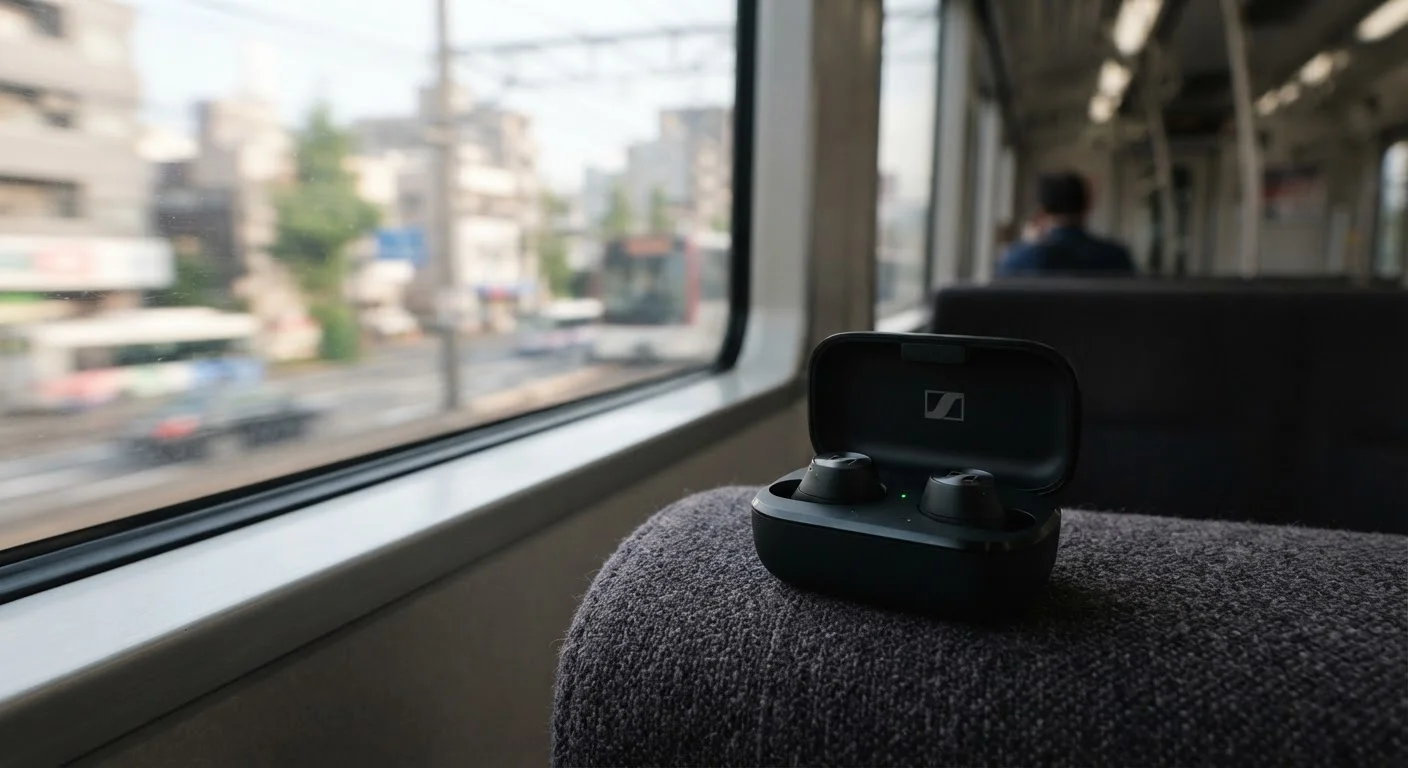
Photo credit: GadgetLite.net | All Things Tech
In this article
ANC is one of the most talked-about earbud features. Here's how it actually works and the situations where it genuinely makes a difference.
Key Takeaways
- ANC uses microphones and phase-inverted signals to actively cancel ambient noise, not just muffle it.
- It works best on consistent, low-frequency sounds like engine hum and HVAC rumble.
- ANC is less effective against sudden, high-frequency, or unpredictable sounds like voices.
- Using ANC can reduce listening fatigue on long commutes or flights.
- Transparency mode — the opposite of ANC — lets outside sound in when situational awareness matters.
How Active Noise Cancellation Actually Works
Every ANC system relies on the same core process: listen, invert, cancel. Tiny microphones on the outside of the earbud pick up ambient sound. The onboard processor analyzes that incoming audio and generates a new signal that is the mirror image — technically, 180 degrees out of phase. When this anti-noise signal mixes with the original sound reaching your ears, the two waveforms interfere destructively, and the noise diminishes significantly.
This all happens in milliseconds, continuously and in real time. The sophistication of the processor determines how well the system handles different types of noise and how quickly it adapts to changing environments.
There are two main ANC configurations you'll encounter:
- Feedforward ANC: The microphone sits on the outside of the earbud, capturing noise before it enters your ear. It reacts quickly but can struggle with unpredictable sounds.
- Feedback ANC: The microphone is positioned inside the ear cup, closer to where you actually hear. It monitors what's actually reaching your ear, offering a more accurate correction.
- Hybrid ANC: Combines both approaches with multiple microphones for broader noise coverage — common in higher-end devices.
Passive Isolation Still Matters
ANC and passive isolation work differently but complement each other. Passive isolation comes from the physical seal of the earbud or ear cup against your ear — no electronics involved. A poor physical fit limits how much even the best ANC can achieve. Getting the right ear tip size is one of the simplest ways to improve the overall noise-blocking performance of any earbuds.
Where ANC Makes a Real Difference
ANC delivers the most noticeable benefit in environments dominated by steady, low-frequency noise. Think airplane cabins, subway cars, open-plan offices, or anywhere an HVAC system is running. These are exactly the sounds the technology is engineered to fight.
20–30 dB
Typical noise reduction from quality ANC
Consumer audio publications and engineering references consistently cite this range for well-implemented hybrid ANC systems in earbuds and over-ear headphones.
~85 Hz
Frequency ceiling where ANC is most effective
ANC performance tends to drop off above this frequency range, which is why voices and high-pitched sounds are harder to cancel than engine hum or HVAC drone.
In these contexts, ANC does something practically valuable beyond just quiet: it reduces listening fatigue. When your brain isn't constantly working to filter background drone, extended listening sessions feel noticeably less tiring. This is why frequent fliers and remote workers often find ANC genuinely useful, not just a nice-to-have spec.
Where ANC is less effective:
- Sudden sounds — a door slam, a shout — happen too fast for the system to react.
- Higher-frequency noise, like a nearby conversation, is more complex to cancel and varies unpredictably.
- Environments with constantly shifting noise profiles challenge the processor's ability to keep up.
It's also worth comparing ANC to entirely different design philosophies. Bone-conduction headphones take the opposite approach — keeping your ear canal open entirely — which is a meaningful trade-off if situational awareness is a priority.
ANC in Context: Gaming, Work, and Everyday Use
For daily commuters and office workers, ANC is one of the more justifiable earbud features available. It lets you listen at lower volumes in loud environments, which is better for long-term hearing health and battery life alike.
For gamers, the picture is more nuanced. ANC can help in a noisy household, but microphone quality often matters just as much as what you hear — particularly in team-based games where voice clarity is critical. Our explainer on headset microphone quality goes deeper on why the audio going out deserves as much attention as what comes in.
Switch Modes Based on Your Environment
Don't leave ANC running by default in all situations. In quiet spaces, it offers little benefit and uses extra battery. In environments where you need to stay aware — busy streets, bike paths, public transit platforms — switch to transparency mode or turn ANC off entirely. Most earbuds make this a quick button press or swipe away.
One feature that often pairs with ANC is transparency mode, which uses the same external microphones to amplify ambient sound rather than cancel it. Switching between these modes — full ANC, transparency, and sometimes a neutral off state — gives you practical flexibility depending on where you are and what you need.
The bottom line: ANC is a genuinely useful technology for specific, real-world conditions. Understanding what it does — and what it doesn't — helps you get the most from it instead of just assuming it solves every noise problem.
Frequently Asked Questions

Author
Gadgets Editorial Team
Gadgets Editorial Team is the collective byline for our editorial team and contributor network. Articles published under this byline or an editorial pen name are researched, written, and reviewed according to our editorial standards for clarity, consistency, and independence before publication.
View all articles →