
The Electronics Upgrade Trap: When Newer Doesn't Mean Better
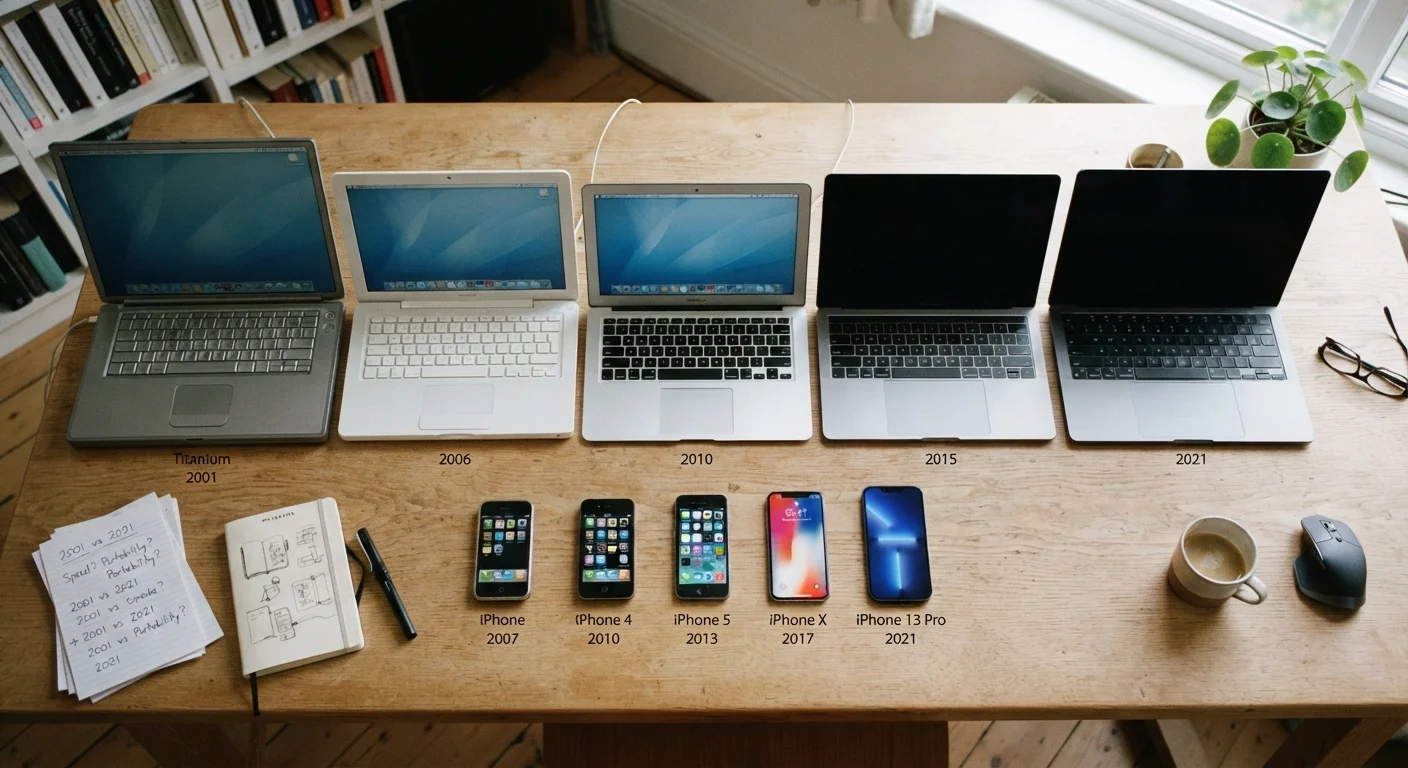
Photo credit: GadgetLite.net | All Things Tech
In this article
Annual product cycles pressure consumers to upgrade constantly. Learn to recognise when a new device is a genuine improvement — and when it simply isn't.
Key Takeaways
- Marketing cycles are designed to create urgency; most annual upgrades offer marginal real-world improvements.
- Benchmark numbers and spec sheets rarely reflect meaningful differences in everyday use.
- Identifying your actual needs before evaluating a new device is the single most effective filter.
- Software updates can extend device usefulness significantly without any hardware spending.
- Upgrade decisions driven by emotion or social pressure consistently lead to buyer's remorse.
Why the Upgrade Cycle Feels Impossible to Resist
Consumer electronics companies operate on predictable annual or biannual release schedules. Each new generation arrives with polished launch events, superlative headlines, and spec comparisons designed to make your current device feel obsolete — even when it isn't. For everyday gadget users, this creates a persistent low-level pressure: the nagging sense that you're falling behind.
The problem isn't excitement about new technology. That enthusiasm is completely reasonable. The problem is mistaking marketing momentum for genuine necessity. Understanding the mechanics of upgrade pressure is the first step toward making decisions you'll feel good about months later. Whether you're evaluating a new phone, laptop, or wearable, the gadgets and wearables landscape tends to follow the same playbook every cycle.
Treating spec improvements as automatic real-world improvements.
Why it happens: Spec sheets use quantifiable numbers that feel objective and easy to compare, making a 20% CPU gain sound transformative even when day-to-day tasks won't stress the existing chip.
Upgrading because a device feels slow, without diagnosing the root cause.
Why it happens: Sluggishness is the most common justification for hardware replacement, but it's frequently caused by software bloat, low storage, or background processes — all fixable without spending anything.
Confusing emotional excitement for practical need.
Why it happens: Launch events are deliberately engineered experiences. The combination of polished visuals, live demonstrations, and social media momentum can make desire feel indistinguishable from necessity.
Ignoring the depreciation curve on your current device.
Why it happens: Consumers tend to anchor on what a device cost new, making the resale value feel like a loss rather than a factor in total cost calculations.
Overlooking whether your usage has actually changed since the last upgrade.
Why it happens: It's easy to assume that newer features will unlock new habits, but most users' core device behavior stays remarkably consistent over time.
The Real Costs Nobody Mentions at Launch
Upgrade decisions carry costs that rarely appear in spec comparisons. There's the obvious financial outlay, but also the time spent migrating data, reconfiguring settings, and rebuilding workflows on a new device. Early adopters also absorb the hidden cost of first-generation bugs — software issues, hardware tolerances, and compatibility gaps that get quietly corrected in later production runs.
~3 years
Average smartphone replacement cycle for U.S. consumers
Consumer Intelligence Research Partners data has consistently shown U.S. smartphone replacement cycles extending beyond the annual marketing cadence, averaging around three years for most users.
Up to 30%
Performance gain recoverable through software optimization alone
Industry repair and optimization services commonly report that clearing bloatware, managing storage, and updating the OS can recover substantial perceived performance on aging devices.
Software is another underappreciated variable. Many devices that feel sluggish or outdated can be meaningfully revitalized through OS updates, storage optimization, or app management — no new hardware required. Our guide on keeping your devices running smoothly through software habits explains why this is often the highest-return move available to most users.
Early Adoption Carries Hidden Risk
First-wave devices frequently ship with software bugs, thermal management issues, or accessory compatibility gaps that manufacturers patch in subsequent updates or hardware revisions. Purchasing at launch means you absorb these costs in time, frustration, and sometimes out-of-pocket repair expenses. Waiting 60 to 90 days after a major release for independent long-term reviews is a low-effort way to avoid becoming an unpaid beta tester.
For anyone evaluating a specific category, doing structured research before committing pays dividends. The checklist in everything to verify before calling a new laptop announcement worth it applies the same logic across the PC space, and a similar discipline works for any device category.

Author
Electronics Editorial Team
Electronics Editorial Team is the collective byline for our editorial team and contributor network. Articles published under this byline or an editorial pen name are researched, written, and reviewed according to our editorial standards for clarity, consistency, and independence before publication.
View all articles →