
The Ecosystem Effect: Why Your Second Device Choice Is Rarely Free
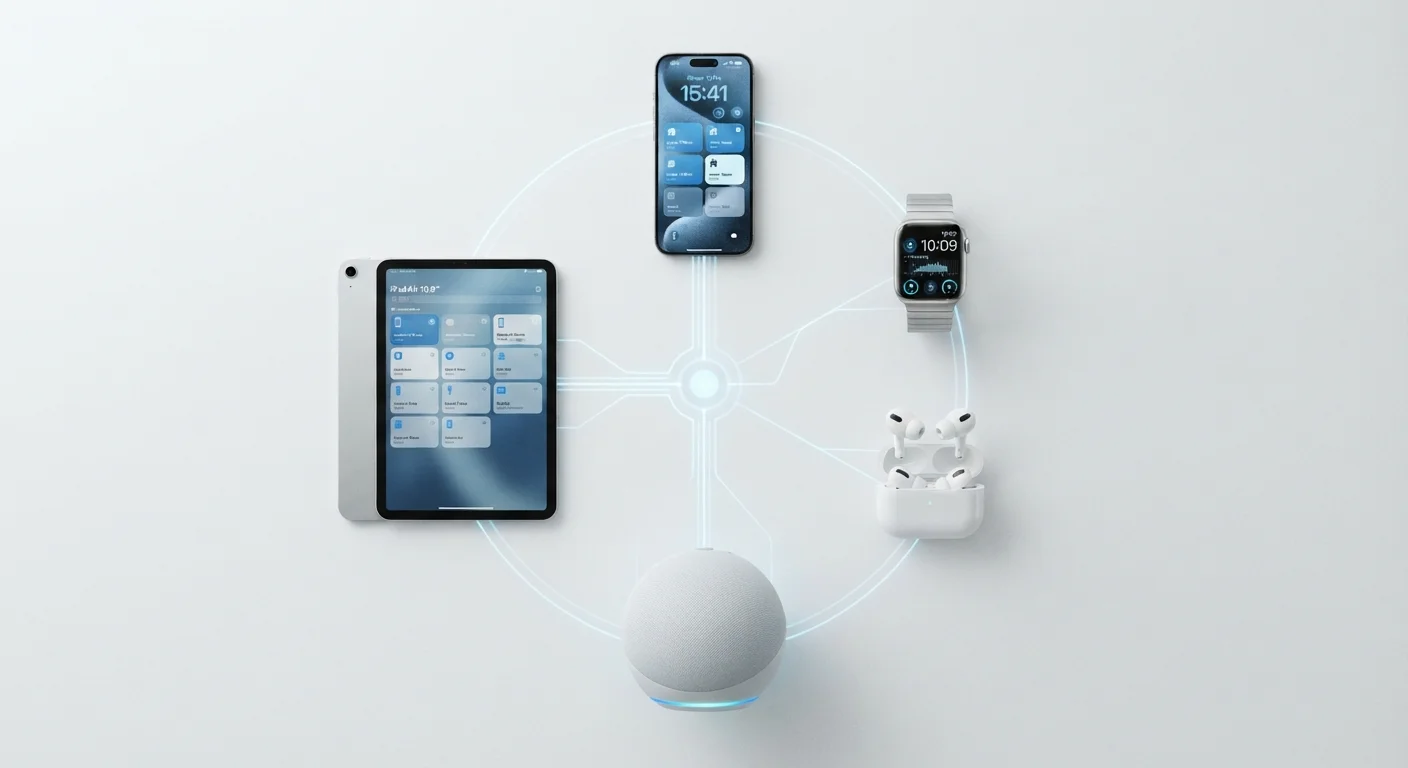
Photo credit: GadgetLite.net | All Things Tech
In this article
Once you own one device from a platform, your next choices narrow. Understand how technology ecosystems work and what that means for your long-term options.
Key Takeaways
- Owning one device from a platform quietly steers your next purchase toward the same brand.
- Switching ecosystems often means losing purchased apps, saved settings, and cross-device features.
- Ecosystem lock-in is a design outcome, not a conspiracy — convenience is the mechanism.
- Open standards like Matter are slowly reducing lock-in in some product categories.
- Understanding ecosystem boundaries before buying can save significant time and money later.
How Ecosystems Create Invisible Gravity
The moment you activate a new phone, tablet, or laptop, you're not just buying a device — you're joining a platform. That platform comes with an app store, a cloud storage service, a messaging system, and often a payment method. Each one is designed to be slightly better when paired with another device from the same family.
This isn't accidental. Technology companies invest heavily in making their products feel incomplete without each other. A smartwatch that delivers full health insights only when synced to a specific phone brand, or wireless earbuds that switch audio automatically only between devices sharing the same account — these are ecosystem features. They're genuinely useful, and that usefulness is exactly what makes moving away feel costly.
For everyday users, this gravity is often invisible until the moment you consider switching. That's when you discover your photos live in a proprietary cloud, your purchased apps don't transfer, and your other devices would lose half their features overnight.
Convenience Is the Mechanism, Not a Trick
Ecosystem design rewards loyalty with genuinely useful features — seamless device handoff, unified notifications, shared clipboards — that would be technically complex to replicate across competing platforms. The friction of leaving isn't manufactured frustration; it reflects real engineering integration. Recognising this helps you evaluate the trade-offs objectively rather than reactively.
The Real Cost of Switching Platforms
Switching ecosystems isn't just about buying a new device. The hidden costs accumulate across several categories that are easy to overlook at the point of purchase.
- Purchased apps and content: Apps bought on one platform's store generally cannot be transferred. If you've spent years purchasing apps, the total can be substantial.
- Accessories: Cases, cables, docks, and peripherals built for one ecosystem often don't carry over. Proprietary connectors and firmware dependencies are common.
- Learned workflows: Keyboard shortcuts, voice command habits, file organisation systems — these are invisible investments that take real time to rebuild on a new platform.
- Connected devices: Smart home devices, wearables, and even gaming peripherals may lose key features when the central platform changes.
For a deeper look at how the same dynamic plays out in gaming, see how game stores and friend networks reinforce platform loyalty. The mechanics are strikingly similar.
~80%
Smartphone users who stay with their current OS on upgrade
Industry analysts consistently report high platform retention rates among smartphone upgraders, reflecting the friction of switching ecosystems.
3–5 devices
Average connected devices per U.S. household member
Research from consumer technology associations suggests most adults now manage multiple connected devices, increasing ecosystem dependency over time.
Where Lock-In Bites Hardest
Not every product category carries equal lock-in risk. Some areas are more tightly woven into platform identity than others.
Wearables are among the most platform-dependent purchases you can make. Many smartwatches are engineered to work optimally — sometimes exclusively — with a specific mobile operating system. If you're considering your options in this space, the wearable devices hub covers how these devices integrate into daily life and what platform compatibility means in practice.
Smart home devices present a similar challenge. Choosing a voice assistant or smart hub early on can determine which lightbulbs, locks, and thermostats will be easiest to integrate for years. The smart home ecosystem explainer breaks down how these platforms communicate and why the choice of hub matters before you start buying accessories.
Smartphones and tablets sit at the centre of most ecosystems. The operating system you choose shapes everything from app availability to how your laptop syncs your clipboard. For a practical breakdown, Android vs. iOS differences that affect daily use addresses what actually changes in everyday experience.
Map Your Ecosystem Before You Buy
Before purchasing a second or third connected device, list the features you use most on your current device and check whether the new product supports them independently or requires the same platform. Manufacturer spec pages and user forums are reliable places to verify cross-platform compatibility claims before spending.
Making More Intentional Choices
Understanding ecosystem dynamics doesn't mean you should avoid committing to any platform — deep integration genuinely improves the experience of using multiple devices together. The goal is to make the choice consciously rather than by default.
Before adding a second device to your collection, ask a few grounding questions: Does this device require a specific phone OS to function fully? Will it sync with what I already own? If I switch phones in two years, does this accessory still work?
It's also worth noting where the walls are getting lower. Open standards like Matter — a shared protocol for smart home devices — allow some products to work across previously incompatible platforms. Progress is incremental, but the trend toward interoperability is real in certain categories.
Finally, consider what you exchange beyond hardware. Convenience features like autofill, location-based suggestions, and cross-device data sharing involve data trade-offs worth understanding. The trade-offs of convenience and data exposure article explores what those exchanges actually involve.
The ecosystem effect is real, but it doesn't have to be a trap — it just works better when you see it clearly before you buy.
Frequently Asked Questions

Author
Electronics Editorial Team
Electronics Editorial Team is the collective byline for our editorial team and contributor network. Articles published under this byline or an editorial pen name are researched, written, and reviewed according to our editorial standards for clarity, consistency, and independence before publication.
View all articles →