
Types of Online Scams: A Plain-Language Reference Guide
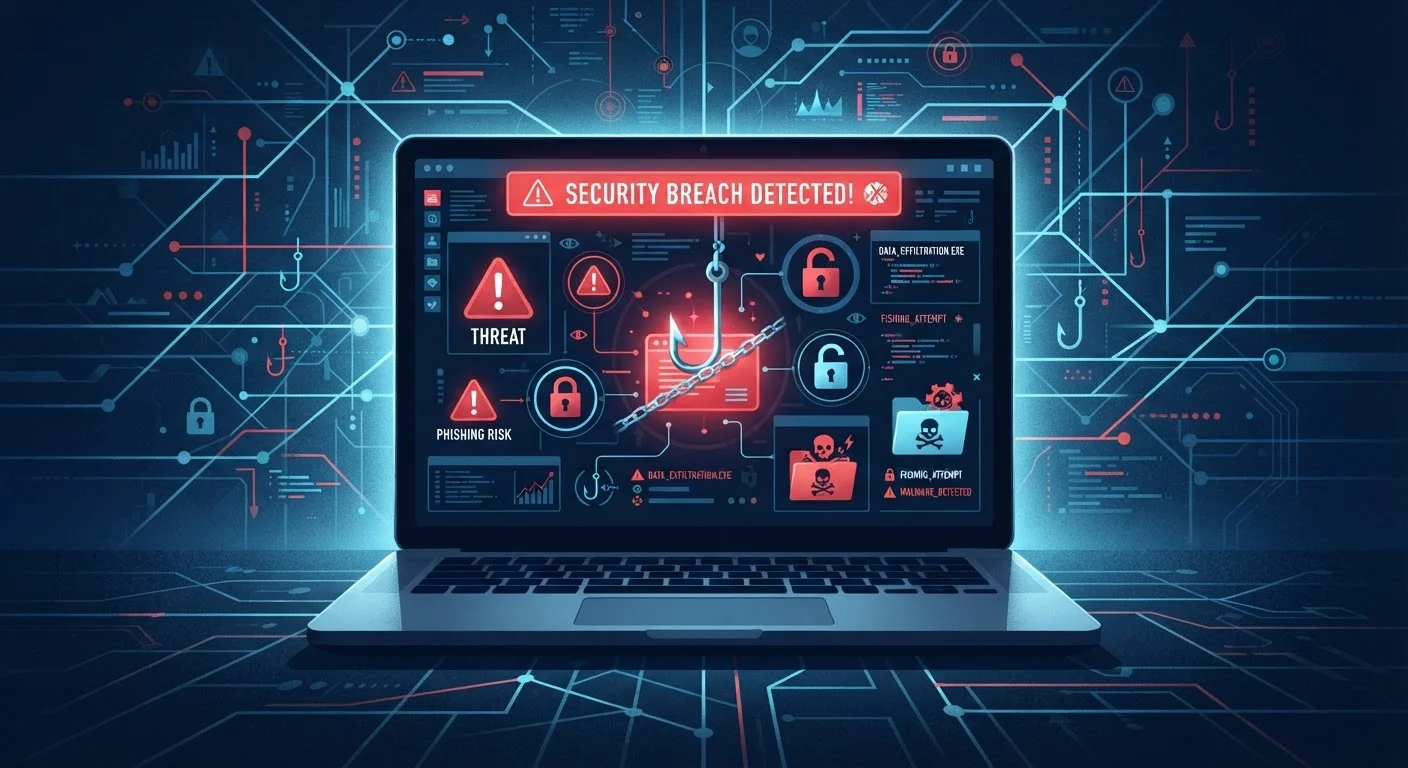
Photo credit: GadgetLite.net | All Things Tech
Definitions and quick descriptions of the most common scam types — from romance fraud to tech support cons — in one place.
Why a Scam Glossary Matters
Scammers succeed partly because their tactics have confusing names — or no name at all. When you can label what's happening, you're far better equipped to pause, question, and protect yourself. This reference guide defines the most common online scam types in plain language, so you can recognize red flags before they cost you.
Worth noting: research consistently shows that anyone can be targeted, regardless of age, education, or tech savviness. See why overconfidence is itself a risk factor for the evidence behind that claim.
| Most reported scam contact method | Text message (smishing) (FTC Consumer Sentinel Network, 2023) |
| Top requested payment method by scammers | Bank transfer or cryptocurrency (FTC Consumer Sentinel Network, 2023) |
| Most financially damaging scam category | Investment fraud (FTC Consumer Sentinel Network, 2023) |
| Scam types covered in this guide | 10 distinct categories |
| Common thread across all scam types | Urgency, impersonation, or secrecy |
Common Scam Types Defined
Use this section as a lookup reference. Each entry names the scam, explains how it works, and flags the core warning sign to watch for.
Phishing
A scam where attackers send fraudulent emails, texts, or messages impersonating a trusted source — like a bank or delivery service — to trick you into clicking a harmful link or handing over login credentials. The goal is to steal personal information.
Smishing
Phishing conducted via SMS text message. You might receive a text claiming your package is stuck or your account is locked, with a link that leads to a fake site designed to harvest your data.
Vishing
Voice phishing — a phone call where the caller pretends to be from a government agency, your bank, or tech support. The caller uses urgency or authority to pressure you into giving up sensitive information or money.
Romance Scam
A long-term deception where a scammer builds a fabricated romantic relationship, usually online, then manufactures a crisis requiring financial help. These scams can last months before the request for money appears.
Tech Support Scam
A pop-up, call, or email falsely claiming your device has a virus or critical error. The scammer urges you to call a number or grant remote access, then charges for fake repairs or installs actual malware.
Advance-Fee Fraud
Also called a 419 scam, this scheme promises a large reward — a lottery win, inheritance, or business deal — in exchange for a small upfront fee. Once you pay, more fees appear, and the promised reward never materializes.
Impersonation Scam
A scammer poses as a government official (such as an IRS agent or Social Security representative), a utility company, or even a family member in distress to demand immediate payment or personal details.
Investment Scam
A fraudulent scheme promising unusually high or guaranteed returns on investments, often in cryptocurrency, foreign exchange, or new ventures. Victims may see early fake 'profits' before the platform disappears with their funds.
Marketplace Scam
Fraud that occurs on peer-to-peer selling platforms. A fake buyer or seller uses overpayment tricks, counterfeit receipts, or nonexistent goods to extract money or items without a legitimate transaction.
Credential Stuffing
Not a deception scam per se, but a common follow-on attack. Criminals use previously leaked username-and-password combinations to try to break into other accounts, banking on the fact that many people reuse the same credentials.
For a deeper look at how these scams use psychological pressure rather than just technical tricks, explore the human side of digital fraud.
Scam Red Flags at a Glance
Across nearly every scam type, a handful of warning patterns repeat. Learning to spot them — regardless of the specific scam label — is more valuable than memorizing every variation.
- Urgency pressure: You're told to act immediately or lose something valuable. Legitimate organizations don't demand instant decisions.
- Unsolicited contact: The message arrives out of nowhere — a call, text, or email you didn't expect from someone you didn't contact first.
- Requests for unusual payment: Gift cards, wire transfers, and cryptocurrency are scammer favorites because they're hard to reverse.
- Too-good-to-be-true offers: Guaranteed prizes, extraordinary investment returns, or jobs requiring no qualifications are classic bait.
- Secrecy requests: Being told not to tell family or friends is a manipulation tactic, not a reasonable ask.
No Single Profile of a Scam Victim
Scammers deliberately tailor their approach to their target — using professional language for business contacts, emotional appeals for those seeking companionship, and authority tactics for those who respect institutions. There is no demographic that is immune. Awareness and a habit of slowing down before acting are the most reliable defenses available to anyone.
If you're new to recognizing these tactics, this jargon-free introduction to staying safer online is a practical starting point. And if you want to understand the full arc of how a scam unfolds — from first contact to data theft — the full picture of online scam structure walks through every stage.
If you believe you've already been targeted or have shared information with a scammer, don't wait — a clear action plan for next steps can help you limit the damage quickly. You can also visit Privacy Basics for ongoing tips to protect your personal data going forward.

Author
Cyber Security Editorial Team
Cyber Security Editorial Team is the collective byline for our editorial team and contributor network. Articles published under this byline or an editorial pen name are researched, written, and reviewed according to our editorial standards for clarity, consistency, and independence before publication.
View all articles →