
Why 'I'd Never Fall for a Scam' Is the Most Dangerous Belief Online
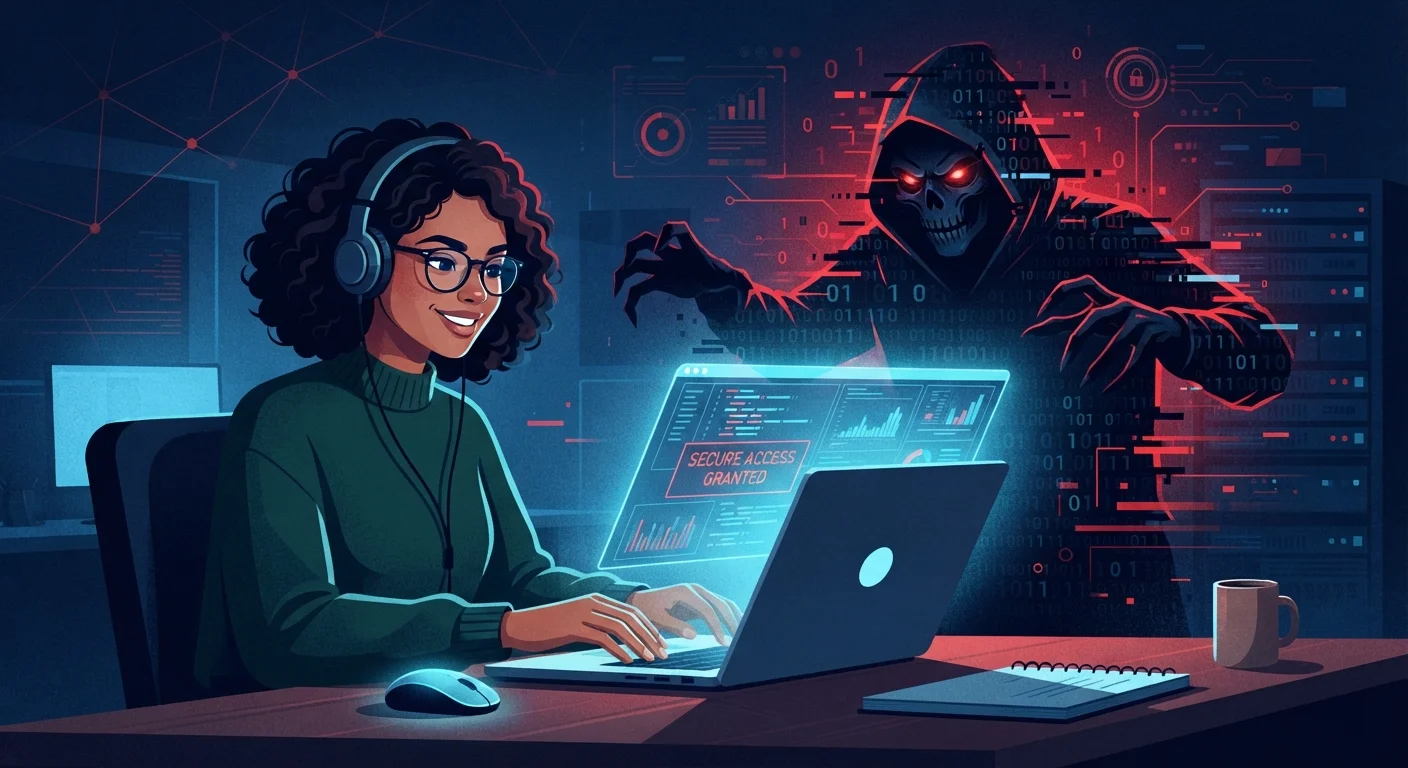
Photo credit: GadgetLite.net | All Things Tech
In this article
Debunking the idea that only careless or uninformed people get scammed, and what the research actually shows about who falls victim.
Key Takeaways
- Believing you're immune to scams actually increases your vulnerability by lowering your guard.
- Research shows that educated, high-income individuals are frequently targeted and successfully deceived.
- Modern scams exploit psychology — urgency, trust, and emotion — not just lack of knowledge.
- Recognizing your own cognitive biases is one of the most effective scam-prevention tools available.
- Anyone who uses the internet is a potential target, regardless of age, experience, or confidence.
The Confidence Trap: Why Certainty Makes You a Softer Target
There's a belief many of us carry quietly: I'm too smart to get scammed. It feels reasonable — after all, you read the news, you know phishing exists, you've deleted suspicious emails before. But that confidence is precisely what sophisticated fraudsters depend on.
Psychologists call this the invulnerability bias — our tendency to underestimate our personal risk compared to others. When you're certain you'd spot a scam, you stop looking carefully. You click without pausing. You engage with something you'd otherwise dismiss. The mental armor becomes a gap in it.
Overconfidence Is a Scammer's Best Tool
Studies in behavioral psychology consistently show that people who believe they cannot be deceived are statistically more likely to engage with scam content longer than those who remain appropriately skeptical. Scammers specifically design their pitches to feel legitimate to smart, savvy audiences. Maintaining a baseline of healthy skepticism — not paranoia — is a genuine protective behavior.
This article walks through the most common and consequential myths about who gets scammed and why — replacing them with evidence-based corrections. Understanding these myths isn't just useful trivia; it's a practical defense. For a broader look at how scams unfold from start to finish, see how online scams work from first contact to stolen data.
Common Myths About Scams — and What's Actually True
The following myths are widespread, deeply held, and actively dangerous. Each one creates a blind spot that scammers are trained to exploit.
Myth
Only gullible or uneducated people fall for scams. If you're smart and informed, you're safe.
Fact
Research consistently shows that people with higher education and income are frequently targeted — and successfully deceived — particularly in investment and business fraud.
The Federal Trade Commission (FTC) has documented that fraud affects people across every demographic. In fact, certain scam types — such as cryptocurrency investment fraud and business email compromise — disproportionately affect financially literate individuals because those are the people who have money worth targeting. Intelligence and education are not reliable shields. Scammers study human psychology and tailor their approaches to seem credible to their specific audience.
Myth
Scam messages are always obvious — full of spelling errors, bad grammar, and outrageous promises.
Fact
Many modern scams are polished, professionally written, and convincingly mimic legitimate organizations, often using stolen logos and real employee names.
Today's phishing emails and fraudulent websites can be nearly indistinguishable from genuine communications. Scammers clone real bank websites pixel-by-pixel, spoof caller ID numbers to appear as the IRS or your credit union, and send SMS messages that thread directly into your existing conversations with a real contact. The plain-language guide to scam types breaks down how varied and sophisticated these approaches have become.
Myth
Scams only work because victims are greedy or naïve — if you're not chasing a deal, you won't get caught.
Fact
Many successful scams exploit fear, urgency, authority, and trust — not greed. Victims are often reacting to what feels like a genuine emergency.
The psychology behind scam compliance is well-documented. Fraudsters trigger the brain's threat-response systems by impersonating law enforcement, warning of account breaches, or pretending a loved one is in danger. Under emotional stress, the analytical part of the brain becomes less active — which is exactly when people make decisions they later regret. Social engineering tactics are built to hijack your instincts, not your ignorance.
Myth
If a website has a padlock icon (HTTPS), it's safe and legitimate.
Fact
HTTPS only means the connection between your browser and the site is encrypted — it says nothing about whether the site itself is fraudulent.
This is one of the most dangerous misconceptions in everyday cybersecurity. Scammers routinely set up fake websites with valid HTTPS certificates because they are free and easy to obtain. A padlock does not verify that the organization behind the site is real or trustworthy. Always verify the full domain name carefully — not just whether the padlock appears.
Myth
You'll feel something is wrong before you get scammed — your instincts will warn you.
Fact
Effective scams are engineered to feel completely normal. The discomfort that might alert you is actively suppressed by the scammer's technique.
Experienced fraudsters build rapport over days or weeks before making any request. By the time a victim is asked to act, they feel genuine affection, trust, or obligation toward the scammer. This is especially evident in romance fraud and long-form scam operations where trust is cultivated deliberately. Your gut instinct is a useful tool — but it can be manipulated.
$10B+
Reported fraud losses in a single year
According to the FTC's Consumer Sentinel Network, Americans reported losing over $10 billion to fraud in 2023 — the highest figure on record at that time.
96%
Phishing attacks delivered via email
Cybersecurity research from Verizon's annual Data Breach Investigations Report identifies email as the dominant delivery channel for phishing attempts globally.
34%
Fraud victims aged 30–49
FTC data shows that adults in their 30s and 40s — often considered tech-savvy — represent one of the largest groups reporting fraud losses.
If any of these myths felt familiar, that's not a reason for alarm — it's a reason to recalibrate. Small daily habits like pausing before clicking or verifying sender addresses independently can meaningfully reduce your exposure without requiring technical expertise.
Shame Stops Victims from Reporting
Many people who recognize they've been scammed never report it because they feel embarrassed. This silence lets scammers operate longer and target more people. If you or someone you know has been targeted, reporting to the FTC at ReportFraud.ftc.gov costs nothing and contributes to real enforcement action. See why reporting scams actually matters for more on what happens when you do.
If you're newer to navigating online risks, this jargon-free introduction to staying safer online is a practical place to start building your awareness from the ground up.

Author
Cyber Security Editorial Team
Cyber Security Editorial Team is the collective byline for our editorial team and contributor network. Articles published under this byline or an editorial pen name are researched, written, and reviewed according to our editorial standards for clarity, consistency, and independence before publication.
View all articles →