
Why 'Nothing to Hide' Is a Misleading Way to Think About Privacy
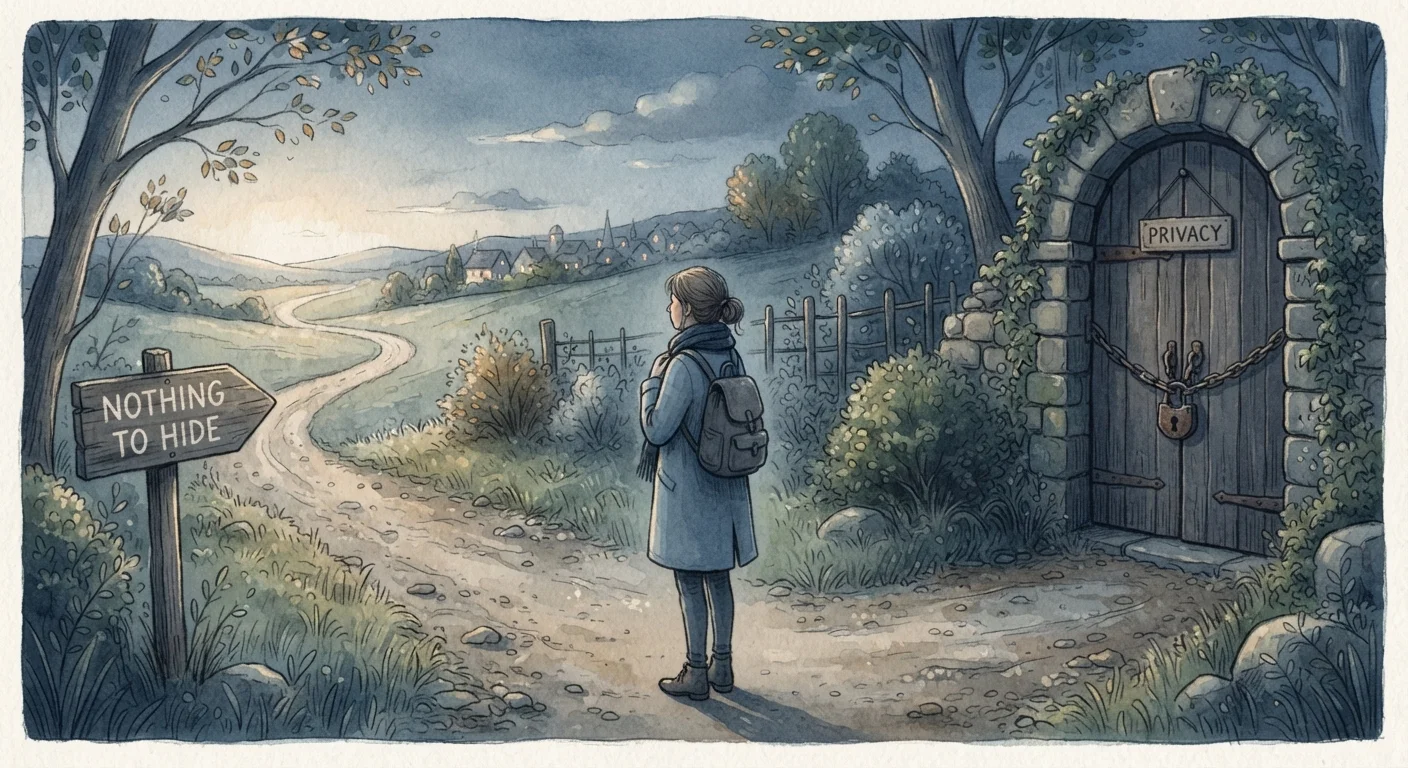
Photo credit: GadgetLite.net | All Things Tech
In this article
The 'nothing to hide' argument sounds sensible but misunderstands what privacy actually protects. Here's where the logic breaks down.
Key Takeaways
- Privacy protects everyone, not just people with 'something to hide' from authorities.
- Data collected today can be misused in ways that are impossible to predict right now.
- Context matters: information shared in one setting may be harmful in another.
- Surveillance affects behavior even when nothing illegal is happening.
- Protecting your privacy is a practical habit, not a sign of guilt.
Where the Argument Goes Wrong
When privacy comes up in conversation, someone usually says it: "If you've got nothing to hide, you've got nothing to fear." It sounds reasonable. If your behavior is fine, why would surveillance bother you? But this reasoning contains a quiet logical flaw that security researchers, legal scholars, and civil liberties advocates have pointed out for years.
The argument assumes privacy is only for people doing something wrong. In reality, privacy is a structural protection - one that benefits everyone, regardless of behavior. Think of it like a door on a bathroom. You're not hiding a crime; you're maintaining a boundary that's appropriate to the context. The existence of the boundary isn't suspicious.
To understand why the "nothing to hide" argument breaks down, it helps to look at the specific myths it rests on. Our plain-language privacy primer is a useful starting point if these concepts are new to you.
Myth
If I'm not doing anything illegal, I have no reason to care about privacy.
Fact
Privacy protects rights and dignity, not just secrets. Everyone has information they reasonably want to keep private - medical records, financial struggles, personal relationships.
The law defines a floor, not a ceiling, for acceptable behavior. Many entirely legal activities - seeking mental health treatment, attending a political rally, practicing a religion - can carry professional or social consequences if exposed without consent. Privacy lets people engage in those activities without fear of judgment or retaliation. Saying you need privacy only if you're doing something wrong misunderstands what privacy actually defends.
Myth
I don't have anything valuable, so no one would bother collecting my data.
Fact
Ordinary personal data - browsing habits, location, purchase history - is aggregated at massive scale and used to build detailed profiles that can influence what you see, buy, or believe.
Data brokers routinely buy, package, and sell information about everyday people. Individual data points may seem trivial, but combined they create remarkably precise profiles. These profiles inform targeted advertising, insurance pricing models, and even hiring decisions in some industries. The value isn't in any single piece of information - it's in the pattern formed by thousands of them.
Myth
Privacy concerns are really just about government surveillance.
Fact
Corporate data collection, data broker markets, and social platforms represent significant privacy considerations entirely separate from government activity.
While government surveillance receives significant public attention, most everyday privacy exposure comes from private companies. Apps, loyalty programs, smart home devices, and social networks collect continuous streams of behavioral data. This data can be sold, breached, or handed to third parties in ways users often don't anticipate. Always-on home devices are a clear example of where private data collection intersects with daily life.
Myth
If I agreed to the terms of service, I consented to whatever happens with my data.
Fact
Terms of service are lengthy, often vague, and routinely updated - making meaningful informed consent difficult in practice.
Studies have estimated it would take the average person hundreds of hours per year to actually read every privacy policy they encounter. The "consent" embedded in most terms of service is largely theoretical - most people accept conditions they haven't read, covering uses they haven't imagined. This doesn't mean you're helpless, but it does mean that clicking "agree" is not the same as making an informed, autonomous choice about your data.
Myth
Data collected about me now is harmless since the context hasn't changed.
Fact
Data collected today can be used in contexts that don't yet exist - through law changes, corporate acquisitions, or entirely new analytic methods.
Companies that collect your data today may be acquired by entities with very different values tomorrow. Laws governing data use can shift. Analytic techniques that didn't exist when data was collected can extract new inferences from old records. Information shared harmlessly in one context - a health app tracking your sleep - might become sensitive if that data is ever linked to insurance assessments or employment screening.
Why Surveillance Changes Behavior Even When You're Innocent
One of the clearest problems with the "nothing to hide" framing is that it ignores how observation changes the way people act. Researchers have long noted that people modify their behavior when they know - or even suspect - they're being watched. This isn't guilt. It's a deeply human response.
When people self-censor online searches, avoid discussing sensitive health topics via messaging apps, or skip visiting certain websites because they feel watched, they lose something real: the freedom to explore ideas, ask questions, and make mistakes privately. That chilling effect matters because free inquiry is how people learn, form opinions, and grow.
86%
Americans who changed online behavior due to surveillance awareness
A Pew Research Center survey found that a large majority of Americans had taken steps to hide information or changed their online behavior after learning about surveillance programs.
72%
U.S. adults who feel they have little control over their data
Pew Research Center reported that roughly seven in ten American adults feel they have very little or no control over how companies use their personal information.
This connects to a broader concern: data collected for one purpose can be repurposed later. Health information shared with an app may eventually be used by insurers or employers if laws or business practices change. Location data logged by a navigation service may be subpoenaed in legal proceedings. Understanding these real privacy trade-offs helps you make informed choices rather than assuming sharing is always harmless.
None of this means you should disengage from digital life. It means making deliberate, informed choices - starting with small steps like reviewing app privacy settings and being selective about what you share and with whom.
Context Collapse Is a Real Risk
Information you share in one setting - a health forum, a dating profile, a neighborhood app - can surface in very different contexts. Before sharing personal details online, consider who else might access that information beyond your intended audience. Once data is out, it's very difficult to pull back.
For practical next steps - things like permission controls on your phone and what data habits actually matter - see our guide on keeping a phone secure without the frustration. And if you want to understand where people most commonly go wrong, common privacy mistakes is worth a read.

Author
Cyber Security Editorial Team
Cyber Security Editorial Team is the collective byline for our editorial team and contributor network. Articles published under this byline or an editorial pen name are researched, written, and reviewed according to our editorial standards for clarity, consistency, and independence before publication.
View all articles →