11 Things to Clarify With a Doctor During a Health Checkup
health

11 Things to Clarify With a Doctor During a Health Checkup

The COVID-19 pandemic and growing health conditions have made people understand the importance of staying healthy and fit. People search the internet for exercise routines, nutritious foods, and alternative methods to improve overall well-being. But despite following a better lifestyle, certain underlying conditions might trigger health complications. This is why getting a regular health checkup is imperative. One should cross-check certain factors during a checkup to get a clearer picture of their health. Health issue risks Health issues may stem from multiple underlying factors, including gender, age, and genetics. Unhealthy lifestyle habits are another contributing factor to the eruption of unsuspecting diseases. Therefore, one of the first things an individual should ask the healthcare professional, following a diagnosis, is if they are at risk of health issues. It is essential to get an honest opinion from the healthcare expert in this regard. Understanding stress Bringing up depression, stress, or anxiety problems isn’t an easy task. However, asking the healthcare expert about these mental health conditions may contribute to the routine checkup and make a better diagnosis. The patient could work with the doctor to look for new stress-related symptoms, which could help them develop ways to improve their condition. Complications with genetics Sometimes an individual might suffer from the same health conditions as a family member.
Read More

12 common mistakes that can damage one’s smartphone

12 common mistakes that can damage one’s smartphone

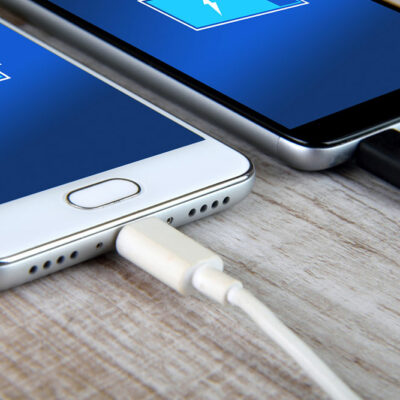
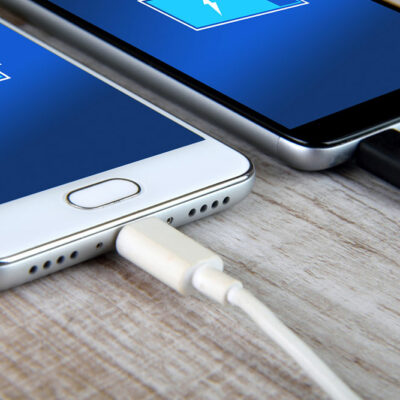
In today’s fast-paced world, smartphones have become indispensable. These devices are one’s communication hub, entertainment source, and personal assistant. With an increasing dependence on these devices, it becomes crucial to use them correctly for prolonged longevity. However, many people inadvertently make common mistakes while handling smartphones that can affect their health and performance. So, here are some mistakes that can harm one’s smartphone and tips on how to avoid them. Not unplugging the phone When a smartphone stays plugged in even after the charging is complete, it experiences a continuous flow of electricity to maintain that charge, resulting in added strain on the battery. This can lead to excess heat, which ultimately contributes to potential damage. To preserve the battery’s health and longevity, it’s advisable to unplug the phone as soon as it reaches its charging potential rather than letting it remain plugged in unnecessarily. Charging the smartphone overnight Leaving a smartphone plugged in overnight might seem convenient, but it’s a mistake that strains the phone’s battery. This continuous charging, often called “trickle charging,” can lead to the battery slowly losing its capacity over time. It eventually leads to an overall diminished battery life and reduced performance. Letting the battery drain fully Many smartphone users may have the habit of using their device until the battery drains completely to 0%.
Read More
10 mistakes to evade when charging a smartphone

10 mistakes to evade when charging a smartphone

Smartphones have become an inseparable part of most people’s lives. Owing to the constant reliance on them, individuals are always concerned about their phone’s battery percentage and keeping it charged throughout the day. However, in doing so, they often make inevitable mistakes that could prove costly, severely damaging the phone’s functioning and battery life. To ensure smartphones’ longevity and optimal performance, avoiding common charging mistakes, such as the following, is crucial. Charging the phone to 100% It is a common misconception that charging the phone 100% is the most effective way to use it. However, this practice can cause harm to one’s device in the long run. Smartphones, like many other electronic devices, have limited charge cycles. If one constantly charges the phone to full capacity, one will quickly use up all of these cycles. Once the charge cycles are depleted, the phone’s battery capacity will decrease, negatively impacting its overall functionality. To avoid this, it is recommended that one charges the smartphone only once a month and, at other times, only up to 80% for optimal battery lifespan. By following these guidelines, one can extend the phone’s battery’s life and ensure it continues functioning properly over time. Letting the phone discharge completely Letting a smartphone discharge completely, as in, letting the battery reach 0% and shut down, is an equally detrimental practice.
Read More